How to fix VANOS solenoid rattle and codes BMW
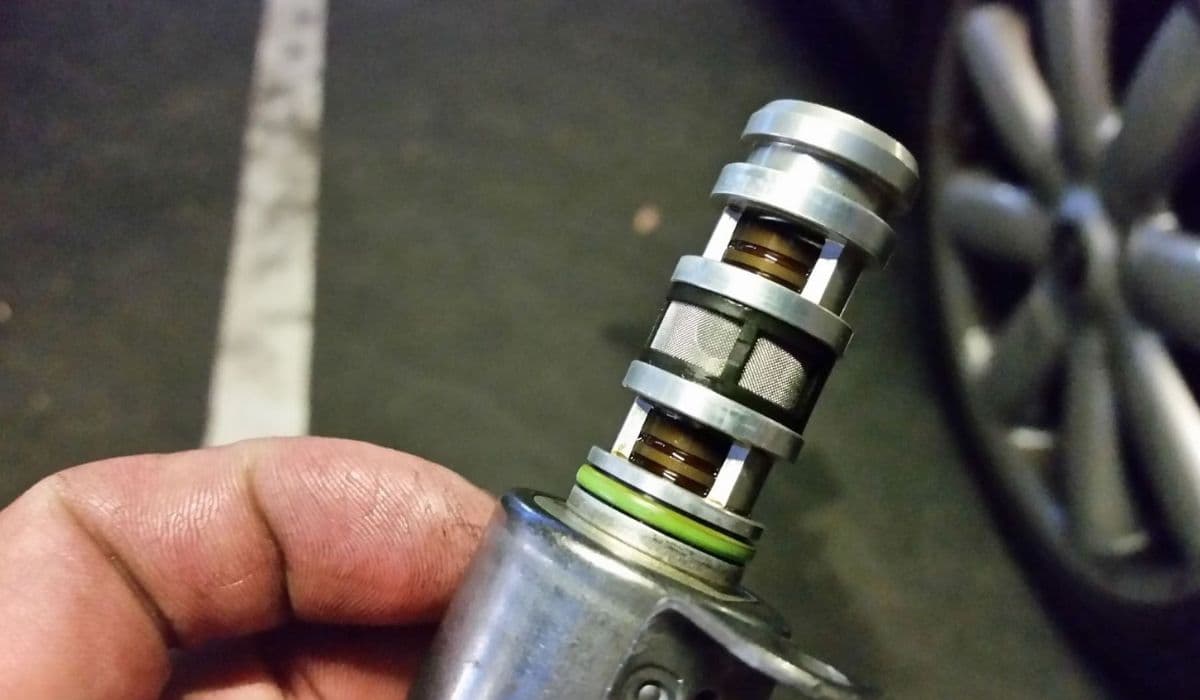
The VANOS system represents one of BMW's most innovative contributions to engine performance, allowing variable valve timing to optimize power delivery, fuel efficiency, and emissions across the rev range. When it functions perfectly, the engine feels responsive and smooth. But when VANOS solenoids begin to fail or related components wear out, owners often face an annoying rattle accompanied by frustrating check engine lights and diagnostic trouble codes.
This rattling noise—frequently described as marbles in a can or a metallic chatter—typically appears at idle or low RPMs, especially when the engine is warm. Paired with codes like P0011, P0012, P0014, P0015, or BMW-specific faults such as 2A82 and 2A87, these symptoms point directly to VANOS solenoid issues or connected problems in the variable valve timing system.
Understanding the root causes and following a systematic approach can save time, prevent unnecessary part replacements, and restore that signature BMW driving experience.
Understanding the VANOS System and Solenoid Function
BMW's VANOS (VAriable NOckenwellen Steuerung) adjusts camshaft timing using oil pressure controlled by solenoids. These solenoids act as electro-hydraulic valves, modulating oil flow to advance or retard the intake and exhaust cams.
Intake solenoid: Controls cam timing for better low-end torque and efficiency
Exhaust solenoid: Manages exhaust cam for improved high-RPM power and emissions
Located on the cylinder head near the front of the engine, solenoids receive electrical signals from the DME (Digital Motor Electronics) and direct pressurized oil to VANOS actuators.
When solenoids stick, clog, or fail internally, timing deviates from commanded values, triggering codes for over-advanced or over-retarded cam positions. Internal wear can also produce rattle as loose components vibrate.
Common Symptoms of VANOS Solenoid Problems
Recognizing early warning signs helps address issues before they escalate to limp mode or poor drivability.
Metallic rattling or ticking noise at idle or 1,300–2,000 RPM, often more pronounced when warm
Rough or unstable idle with occasional surging or stumbling
Reduced throttle response and sluggish acceleration
Loss of power, especially during spirited driving
Check engine light illumination with VANOS-related codes
Intermittent limp mode or half-engine warning
Hesitation during RPM transitions, particularly around 1,500 RPM
In some cases, the rattle stems from excessive play in VANOS units rather than solenoids alone, but solenoid faults frequently accompany or exacerbate the noise.
Typical Diagnostic Trouble Codes
BMW VANOS issues generate specific OBD-II and manufacturer codes that provide valuable clues.
Common P-codes include:
P0011: Intake camshaft position timing over-advanced
P0012: Intake camshaft position timing over-retarded
P0014: Exhaust camshaft position timing over-advanced
P0015: Exhaust camshaft position timing over-retarded
BMW-specific codes often appear as:
2A82: Intake VANOS jammed or mechanically faulty
2A87: Exhaust VANOS jammed or mechanically faulty
These codes indicate the DME detects cam timing outside expected parameters, usually due to solenoid sticking, low oil pressure to the system, or internal wear.
Step-by-Step Diagnosis Process
Accurate diagnosis prevents throwing parts at the problem. Start simple and progress logically.
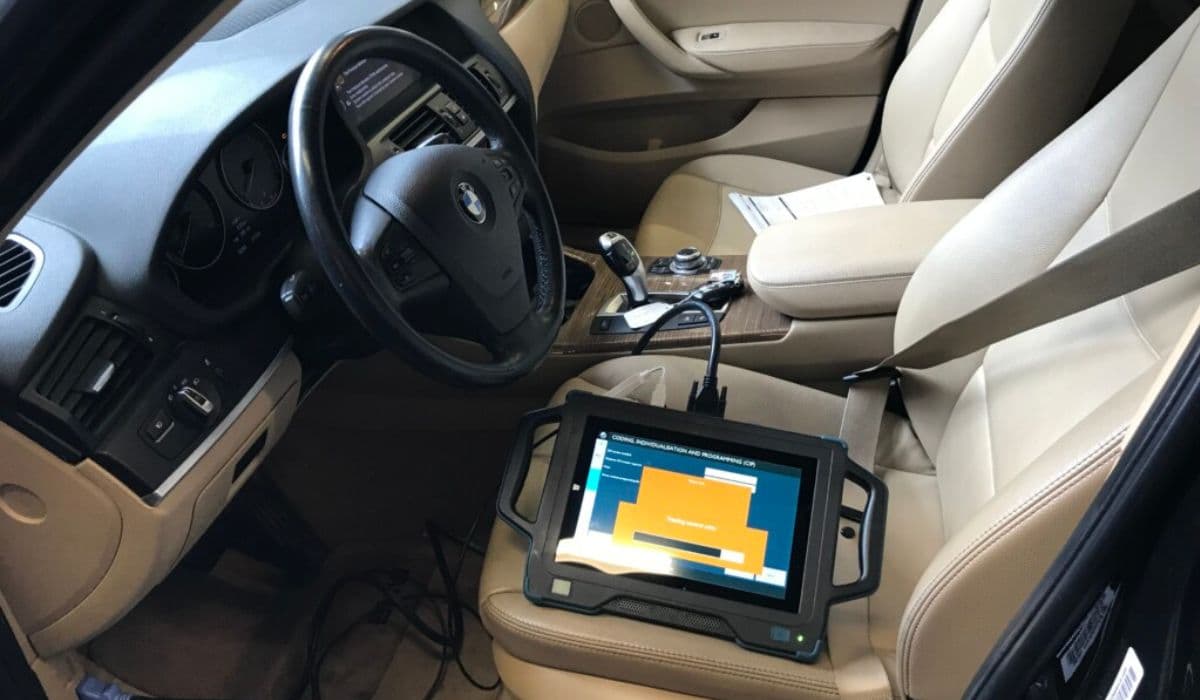
Scan for codes using a capable OBD-II tool or BMW-specific scanner to confirm VANOS faults
Check engine oil level and condition—dirty or low oil starves solenoids and actuators
Listen for rattle with the hood open; use a mechanic's stethoscope to pinpoint the source (often near cylinder head front)
Perform a shake test: Remove solenoids and shake them—if no internal rattle is heard, the piston/screen may be stuck or seized
Measure solenoid resistance with a multimeter (typically 10–15 ohms; consult model-specific specs)
Swap intake and exhaust solenoids—if the code shifts (e.g., intake code becomes exhaust), the faulty unit is identified
Apply 12V directly to the solenoid (with care) and listen for a distinct click—lack of actuation points to electrical failure
Inspect oil screens/filters inside solenoids for heavy sludge or debris buildup
If codes persist after cleaning and solenoids test good, deeper VANOS unit inspection (seals, bearings, or helical gear play) becomes necessary.
Effective Cleaning and Maintenance Procedures
Many VANOS solenoid issues stem from oil sludge restricting movement. Cleaning often resolves rattle and clears codes without replacement.
Disconnect the battery negative terminal for safety
Remove solenoid mounting bolts (usually Torx or hex) and carefully pull units out
Clean external screens with brake cleaner or carb cleaner, avoiding damage to O-rings
Disassemble if possible (some models allow) and flush internal passages
Soak components in solvent to dissolve varnish and deposits
Reassemble with new O-rings/gaskets if worn
Install solenoids with proper torque and reconnect electrical plugs
Change engine oil and filter using BMW-approved specification to prevent recurrence
After reassembly, clear codes and perform an adaptation reset if required by the DME. Test drive to verify improvements.
When Replacement Becomes Necessary
Cleaning fails when solenoids suffer internal electrical faults, worn plungers, or broken components.
Replacement restores precise oil control and eliminates sources of internal rattle. Always use OEM or high-quality equivalents for reliability.
Installation mirrors removal:
Ensure new units include fresh seals
Lubricate O-rings lightly with engine oil
Torque bolts evenly to spec
Relearn adaptations through scanner or drive cycles
In persistent rattle cases without solenoid faults, inspect VANOS actuators for axial play or worn seals—common in higher-mileage engines.
Preventing Future VANOS Issues
Proactive care extends VANOS life significantly.
Follow strict oil change intervals with correct viscosity and quality
Use BMW LL-01 approved oils to minimize sludge formation
Avoid short trips that prevent full warm-up and oil circulation
Address minor oil leaks promptly to maintain system pressure
Consider periodic VANOS solenoid inspections during major services
Regular maintenance keeps the system responsive and quiet, preserving performance.