How to fix phantom drain overnight Tesla
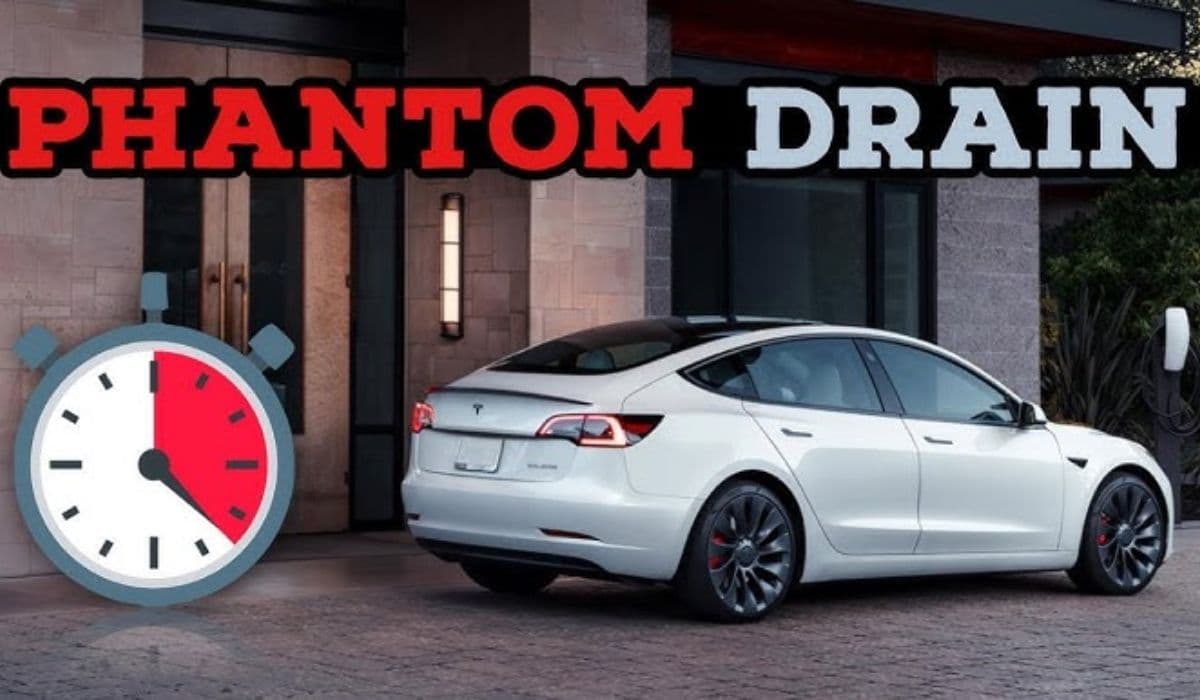
Phantom drain, often called vampire drain, is a common concern among Tesla owners. It refers to the gradual loss of battery charge when the vehicle is parked and not in use. While a small amount of energy loss is normal due to background systems monitoring battery health and staying connected, excessive overnight drain can reduce your available range unexpectedly. Understanding the causes and implementing targeted fixes can significantly minimize this issue, helping you wake up to a fuller battery each morning.
Understanding Phantom Drain in Teslas
Tesla vehicles are advanced computers on wheels, constantly running subtle processes even when parked. These include battery management, software checks, and connectivity features. Overnight, this can lead to a loss of several miles of range, especially if certain settings keep the car from entering a deep sleep mode.
Factors like extreme temperatures, frequent app checks, or active security features amplify the drain. In ideal conditions with minimal features enabled, many owners report losing only a few miles overnight. However, when the vehicle stays awake unnecessarily, the drain can become noticeable, sometimes reaching double digits in range loss.
Common Causes of Overnight Phantom Drain
Several built-in features and external factors contribute to phantom drain while your Tesla is parked overnight.
Sentry Mode: This popular security feature uses cameras to monitor surroundings, keeping systems active and consuming substantial energy.
Cabin Overheat Protection: Designed to prevent the interior from getting too hot, it activates the HVAC system in warm conditions.
Preconditioning Schedules: Automated cabin or battery warming/cooling can run overnight if timed poorly.
App and Connectivity Wake-Ups: Frequent openings of the Tesla app or third-party apps wake the vehicle to sync data.
Key Proximity: Phone keys or fobs detected nearby prevent deep sleep.
Other Culprits: Weak Wi-Fi connections, active summons standby, or background data uploads.
Identifying which of these apply to your setup is the first step toward resolution.
Disabling Sentry Mode for Overnight Parking
Sentry Mode is one of the biggest contributors to phantom drain. It keeps the vehicle awake, processing camera feeds continuously.
To reduce drain:
Turn it off manually before parking overnight via the touchscreen (Controls > Safety > Sentry Mode).
Use location-based exclusions: Add your home or frequent parking spots to the "Exclude" list so it disables automatically there.
Reserve it for high-risk areas only, like public parking, and disable it in secure spots like your garage.
Many owners find that disabling Sentry Mode at home cuts overnight losses dramatically, often preserving most of the battery's charge.
Managing Cabin Overheat Protection and Climate Features
In hot weather, Cabin Overheat Protection activates fans or AC to keep the interior below a threshold temperature.
Options include:
"No A/C" mode, which uses only fans for minimal drain.
Full "On" mode with air conditioning, which consumes more power on very hot nights.
Turn it off entirely if parking in shaded or cool areas.
Similarly, disable scheduled preconditioning if it overlaps with overnight hours. Manual preconditioning via the app just before driving uses less energy overall. For pet safety, use Dog Mode or Keep Climate instead, but be aware these also draw power.
Minimizing App and Third-Party Wake-Ups
The Tesla app wakes your vehicle each time you open it to refresh data.
Tips for reduction:
Avoid unnecessary checks overnight—resist peeking at charge levels frequently.
Close the app fully after use.
For third-party apps (like stats trackers), review permissions and adjust polling intervals to allow sleep, or temporarily log out.
Changing your Tesla account password revokes old tokens from unused apps, forcing the car into deeper sleep.
Optimizing Connectivity and Key Settings
Bluetooth phone keys can keep the vehicle alert if your phone is nearby, even inside your home.
Solutions include:
Move phones or key fobs farther from the parked car (e.g., upstairs or in a different room).
Disable Bluetooth on your phone overnight if practical.
Ensure strong Wi-Fi at home parking spots to prevent reconnection attempts that wake the car.
Energy-saving modes in the vehicle settings further limit background connectivity.
Additional Tips to Prevent Excessive Drain
Beyond the main features, fine-tune these for better results:
Keep software updated—many releases include sleep optimizations and drain fixes.
Park in moderate temperatures when possible; garages help stabilize conditions.
Reboot the vehicle occasionally (hold both scroll wheels) to clear temporary glitches.
Monitor energy usage graphs in the app to spot patterns over multiple nights.
Combining these adjustments often brings overnight drain down to negligible levels.
When to Seek Further Assistance
If drain persists after disabling major features, it could indicate a rarer issue like a faulty component keeping systems active. In such cases, schedule a service appointment via the app for remote diagnostics.
By methodically addressing these factors, most Tesla owners successfully tame phantom drain, ensuring their vehicle is ready with maximum range each morning.