How to fix heat pump whining noise in cold weather Tesla
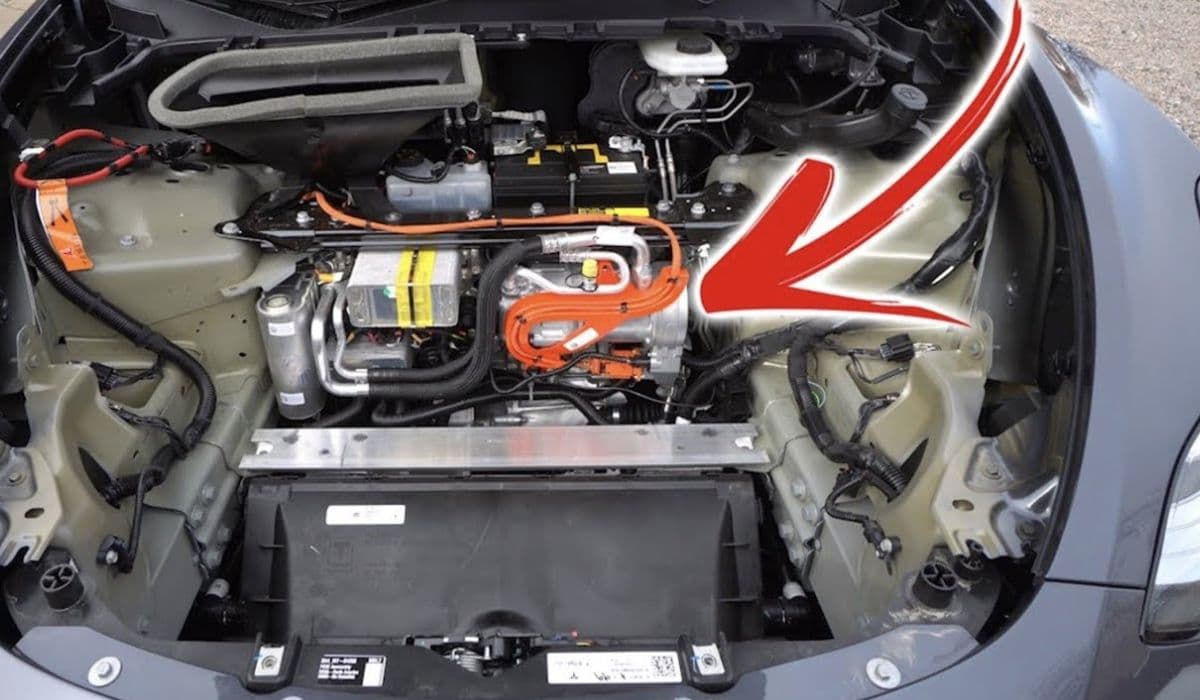
Tesla vehicles equipped with heat pumps, particularly models like the Model 3 and Model Y, represent a significant advancement in efficiency for electric cars. The heat pump system extracts warmth from the outside air even in chilly conditions, providing cabin heating while preserving battery range far better than traditional resistive heaters. However, many owners notice a distinctive whining, humming, or high-pitched noise during cold weather operation. This sound often stems from the compressor and associated components working harder to generate heat when ambient temperatures drop.
Understanding the root causes and practical solutions can help mitigate this issue, restoring a quieter driving experience without compromising performance.
Understanding the Tesla Heat Pump System
The heat pump in Tesla vehicles is a sophisticated setup that reverses the air conditioning process to produce heat. It includes a compressor, octovalve for managing refrigerant flow, and various pumps and valves. In mild conditions, it operates smoothly and quietly. But in cold weather, the system must work intensely to pull heat from frigid air, leading to increased compressor speed and refrigerant circulation.
This heightened activity often produces a whining noise, sometimes described as a high-pitched hum or whir. Tesla's official documentation notes that such sounds—humming or whirring—are normal during battery preconditioning or cabin heating in low temperatures, as components generate warmth for optimal operation.
Yet, for some owners, the noise becomes more pronounced, vibrating through the cabin or audible from outside. Factors like refrigerant behavior in cold air, valve adjustments, or minor moisture accumulation can amplify these sounds.
Common Causes of Whining Noise in Cold Weather
Several elements contribute to the heat pump's whining during winter months:
Compressor Strain: The electric compressor ramps up to extract heat efficiently, creating a natural high-pitched whine similar to an AC unit on maximum in summer.
Refrigerant Flow Dynamics: Cold temperatures affect how refrigerant expands and contracts, leading to audible fluctuations in pressure and flow through valves.
Coolant Pump Activity: Auxiliary pumps circulate coolant to manage thermal loops, producing a steady hum that can seem louder in quiet EV cabins.
Environmental Factors: Humidity and freezing conditions may cause temporary ice buildup on fans or exchangers, resulting in rattling or whining until cleared.
System Calibration: Software controls the heat pump's operation, and occasional mismatches in valve timing can cause intermittent noises.
These are often inherent to the design, engineered for efficiency over absolute silence, but many can be addressed through simple adjustments or checks.
Quick DIY Troubleshooting Steps
Before seeking professional help, try these owner-friendly steps to reduce or eliminate the whining:
Precondition the vehicle while plugged in, allowing the heat pump to warm up gradually without drawing heavily from the battery.
Activate cabin heating via the app 10-15 minutes before driving—this lets the system stabilize and often quiets operation once underway.
Switch to Auto mode for climate control, letting the system optimize fan speed and heat output intelligently.
Run defrost modes periodically to clear any moisture or light ice from external components.
Many owners report significant noise reduction with consistent preconditioning habits.
Adjusting Settings to Minimize Noise
Fine-tuning your Tesla's climate settings can dramatically lower audible whining:
Lower the fan speed manually if the system is blasting air—high blower settings amplify component sounds.
Use seat and steering wheel heaters primarily, relying less on full cabin air heating to ease the heat pump's workload.
Set a moderate cabin temperature rather than maximum heat, preventing the compressor from running at peak intensity.
Avoid frequent on/off cycling of climate control; maintain steady settings for smoother operation.
These tweaks not only quiet the system but also enhance overall efficiency in cold conditions.
When to Schedule a Service Appointment
While much of the whining is characteristic of heat pump operation, persistent or unusually loud noises warrant attention:
If the sound includes grinding, rattling, or knocking beyond typical humming.
When accompanied by reduced heating performance or error messages.
In cases of vibration felt through the steering wheel or pedals.
Tesla service centers can inspect for issues like sensor calibration, refrigerant levels, or component wear. Over-the-air updates have addressed similar concerns in the past, refining valve and pump behavior for quieter performance.
Owners often find that a quick diagnostic visit confirms normality or applies minor adjustments.
Preventive Maintenance for Quieter Operation
Proactive habits keep the heat pump running smoothly and quietly through winter:
Park in a garage when possible to shield from extreme cold and moisture.
Keep software updated, as Tesla frequently refines HVAC algorithms.
Clean external vents and grilles regularly to prevent debris or ice interference.
Monitor for patterns—if noise only occurs below certain temperatures, note it for potential software optimizations.
With these practices, the heat pump's benefits shine through, delivering reliable warmth with minimal disruption.
Enjoying a Tesla in cold climates means embracing innovative technology that prioritizes range and sustainability. The whining noise, while noticeable, is often a sign of the system performing as designed under demanding conditions. By understanding its origins and applying targeted fixes—from preconditioning routines to setting adjustments—owners can achieve a more serene cabin environment.
More from Tesla
How to fix FSD visualization lag after Tesla 2025.14 update
16.12.2025 07:02
How to replace Tesla Model 3/Y rear bumper clips (easy DIY)
16.12.2025 05:46
How to fix phantom drain overnight Tesla
16.12.2025 04:50
How to replace octopus coolant leak (Tesla Model 3 2017–2020)
16.12.2025 03:21
How to replace torn rear seat bolsters Tesla
16.12.2025 03:09