How to Make a 2GR-FE (3.5 V6) Engine Live Past 400,000 Miles – Real-World Experience from Cars That Actually Did It
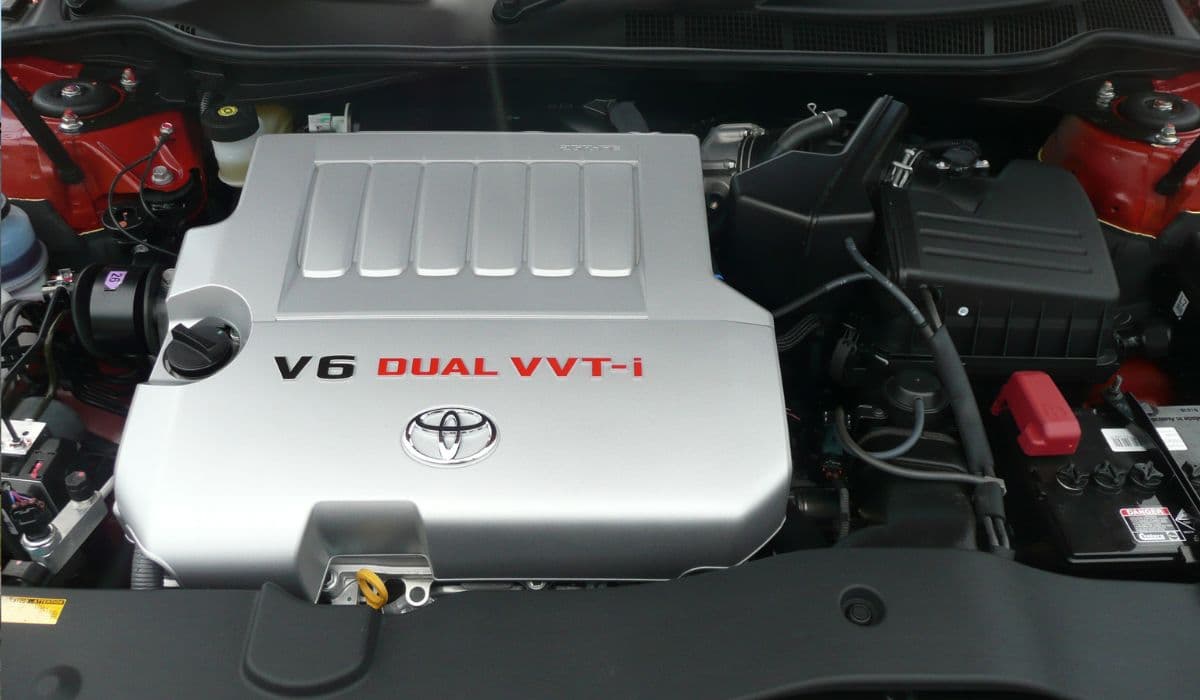
The Toyota 2GR-FE (and its variants FSE, FKS, FXE) is installed in millions of Camry, Avalon, Highlander, Sienna, RX350, ES350, and many others from 2005 to today. Most owners never see 200 k miles. A small group regularly passes 400 k–500 k miles with the original short block. Here is exactly what the second group does differently.
Start with the Right Revision of the Engine
Not all 2GR-FE are born equal:
2005–2006 (early Camry/AValon): still had minor oil consumption issues on cold start (0.5–1 L per 10 k km)
2007–2009: improved pistons and rings – oil consumption almost disappeared
2010–2017: updated oil control rings + better valve seals
2018+ 2GR-FKS: direct + port injection, different problems, different story
The sweet spot for extreme longevity: 2007–2017 2GR-FE and especially the dual-VVT-i version after 2009.
The Only Real Killer of 2GR-FE and How to Neutralize It
The #1 cause of death at 180–250 k miles is oil starvation of the “third” oil jet that cools the piston crown on cylinders 1-3-5 (bank 1). The jet is fed through the famous rubber oil line inside the valley that turns into stone, cracks, and silently loses pressure → scorched pistons → sudden death.
Solution that 400 k+ mile owners actually do:
- At 120–150 k miles replace the rubber VVT-i oil line with the updated metal version (Toyota P/N 15772-31030). Labor 4–6 hours, part ~$120.
- At the same time replace both external metal oil pipes (they rust from outside in salt belts).
Do this once and the biggest time bomb is gone forever.
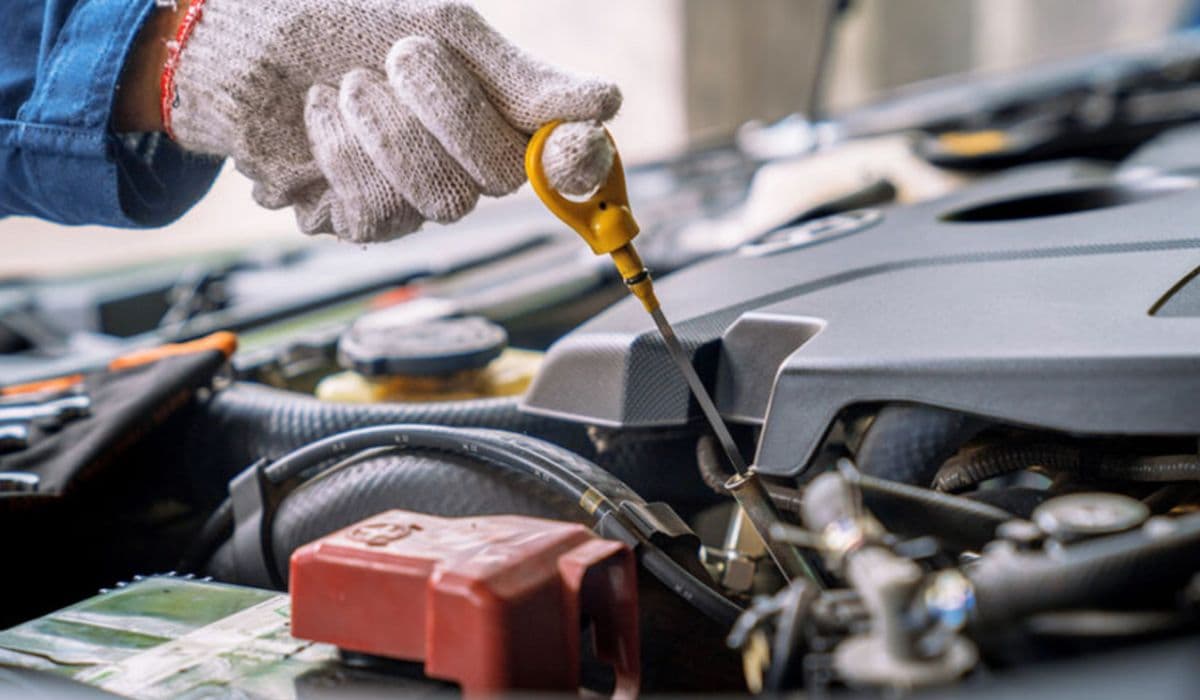
Oil: The Cheapest Insurance You Can Buy
High-mileage 2GR owners who never open the engine use one of these schedules religiously:
Option A (most common among 400 k+ cars)
- 0W-20 or 5W-30 full synthetic (Idemitsu, Mobil1, Pentosin, Valvoline Extended Protection)
- Change every 5000 miles / 6 months no matter what
- Toyota blue cartridge filter 04152-YZZA1 every time
Option B (slightly more expensive but popular in cold climates)
- 5W-30 or 0W-40 European-approval oil (Liqui Moly Leichtlauf, Castrol Edge, Mobil1 FS)
- 8000–10 000 mile intervals but with oil analysis every time
Never follow the 10 k mile Toyota interval if you want 400 k+.
Cooling System – Treat It Like a Diesel
2GR-FE loves to overheat the rear cylinders (4-6) because the radiator clogs from the inside and the water-pump impeller slowly dissolves.
What actually works:
Replace coolant every 3–4 years max (Toyota Super Long Life or any silicate-free OAT)
At 150–200 k miles install new radiator (Denso or CSF) + water pump with metal impeller (Aisin WPT-190)
Install 160–165 °F low-temp thermostat (Mishimoto or simply earlier-opening OEM)
Once a year back-flush the heater core
Ignition Coils and Carbon Build-Up – The Silent Horsepower Thieves
At 200 k+ miles the engine feels “tired” not because it’s worn, but because:
- OEM Denso coils start misfiring under load (replace all 6 with new Denso or Delphi GN10328)
- Intake valves are covered in carbon (every 120–150 k miles do walnut blasting or Toyota in-tank cleaner + aggressive Italian tune-up)
After fresh coils + clean valves, 350 k-mile Camry suddenly feels like 100 k again.
Timing Cover and Valley Oil Leaks – Do Them Before They Do You
At 250–300 k miles the timing cover gasket and VVT-i solenoids start weeping. Ignore it → oil runs into alternator and clutch pulley on transverse installations → $800 surprise.
High-mileage protocol:
Reseal timing cover with ThreeBond 1207B (not RTV!)
Replace all four VVT-i solenoids with new revision (dens-o 15330-0P020/030)
New crankshaft seal while you’re there
Real Cars That Crossed 400,000 Miles (2024–2025 Data)
- 2007 Camry LE 2GR-FE – 487 k miles, original short block, metal oil line swapped at 140 k, radiator at 220 k, coils at 310 k. Still uses zero oil.
- 2008 Highlander AWD – 412 k miles, oil every 5 k miles since new, valley resealed at 280 k, still passes emissions without codes.
- 2011 Sienna XLE – 456 k miles, taxi fleet, metal line + water pump done at 180 k, three sets of coils, still original engine and transmission.
The Exact Maintenance Schedule That Gets You There
Mileage | What to do (mandatory for 400 k+ club) |
|---|---|
Every 5 k | Oil + filter (0W-20/5W-30 synthetic) |
Every 60–80 k | Spark plugs (Denso FK20HR11 or NGK 1402) |
120–150 k | Metal VVT-i oil line + external pipes |
150–200 k | New radiator + water pump (metal impeller) + low-temp thermostat |
200–250 k | Ignition coils (all 6) + valve cleaning if needed |
250–300 k | Timing cover reseal + VVT-i solenoids + crankshaft seal |
Every 3–4 years | Full coolant flush |
Do exactly this and the 2GR-FE becomes one of the few modern V6 engines that can realistically see 500 k–600 k miles with the original bottom end. Most examples that “died” at 200–250 k miles simply never received the three critical preventive jobs: metal oil line, radiator/water pump, and ignition coils.
Drive it like you stole it (after 20 minutes warm-up), change oil like a fanatic, fix the known weak points once — and the engine will outlast the body in almost every case.