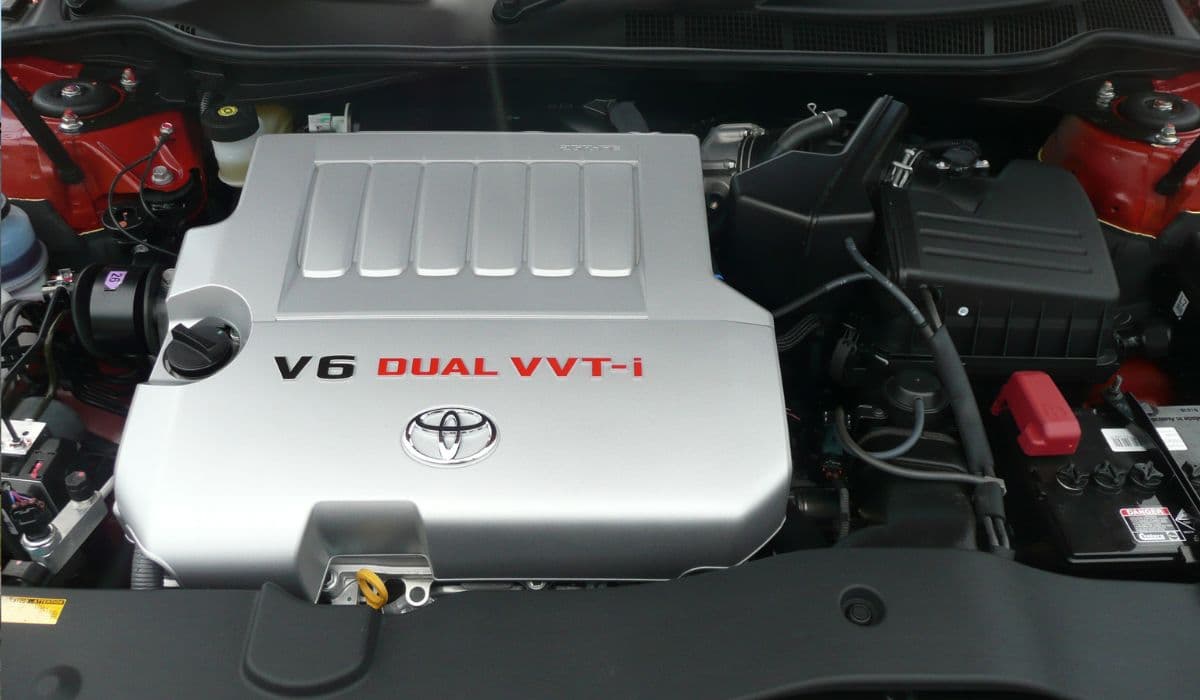
How to Choose the Right Oil and When to Change It in Toyota and Lexus Vehicles

Choosing the correct engine oil and adhering to proper oil change intervals is one of the most important aspects of maintaining Toyota and Lexus reliability over hundreds of thousands of miles. Toyota and Lexus engines, while sharing many platforms, have subtle differences in recommended viscosities, specifications, and service intervals depending on the model, engine type, and year.
Understanding Toyota/Lexus Genuine Motor Oil (TGMO) Portfolio
Toyota offers its own line of factory-fill oils under the TGMO label. The most common variants are:
- 0W-20 SN/GF-5 and ILSAC GF-6A (most popular for modern gasoline engines)
- 0W-16 SP/GF-6B (introduced for 2018+ Camry A25A-FKS, RAV4 A25A-FKS, Lexus ES 300h, UX 250h, NX 250, etc.)
- 0W-30 and 5W-30 (older V6 engines, some European-market models)
- 5W-40 and 0W-40 (rarely used, mostly in older supercharged or European models)
- 0W-20 API SP with higher molybdenum content (2021+ “Robust” formulation)
All genuine Toyota oils are produced by ExxonMobil (in Japan and the USA) and meet Toyota’s internal material specifications in addition to API/ILSAC standards.
Current Factory-Recommended Viscosities by Engine Family
4-cylinder gasoline engines
- A25A-FKS (Dynamic Force 2.5L) – 0W-16 only
- M20A-FKS/FXS (Dynamic Force 2.0L) – 0W-16
- 2ZR-FE, 1ZR-FE, 3ZR-FAE – 0W-20 or 5W-20/30 (depending on market)
- 2AR-FE/FXE – 0W-20
- 1NZ-FXE, 2ZR-FXE (Prius family) – 0W-20
- 8NR-FTS, 2ZR-FXE (newer hybrids) – 0W-20
V6 gasoline engines
- 2GR-FKS/FXS/FSE – 0W-20 (2016+ Camry, Highlander, Sienna, Lexus ES/RX/GS)
- 2GR-FE (pre-2016) – 5W-30 conventional or 0W-20 synthetic in some cases
- 1MZ-FE, 3MZ-FE – 5W-30
V8 gasoline engines
- 1UR-FSE, 2UR-GSE, 3UR-FE – 0W-20 (LS, LX, GS F, RC F, IS F)
- Older 1UZ/3UZ – 5W-30 or 5W-40
Turbocharged engines
- B48 (Supra A90 co-developed with BMW) – 0W-20 LL-01 (Toyota-branded or genuine BMW oil)
- T24A-FTS (NX 350, RX 350, TX 350 2023+) – 0W-20 SP
Diesel engines (mostly Europe and Asia)
- 1GD-FTV, 2GD-FTV (Hilux, Prado) – 0W-30 or 5W-30 ACEA C2/C3
- 1AD-FTV, 2AD-FTV – 5W-30 ACEA C2
Oil Change Intervals: Official vs Real-World Recommendations
North America (Severe vs Normal conditions)
The maintenance monitor in most 2010+ Toyota/Lexus vehicles counts down from 10,000 miles / 12 months, but the manual clearly states:
- Normal driving: every 10,000 miles or 12 months
- Severe driving (towing, dusty roads, stop-and-go, idling, temperatures below -20°F or above 100°F): every 5,000 miles or 6 months
Most owners fall into the “severe” category in real life.
Europe and Australia
Usually 15,000 km (9,300 miles) or 12 months for gasoline, 10,000–20,000 km for diesels depending on specification.
Japan (domestic market)
Often 15,000 km or 12 months with 0W-20/0W-16 full synthetic.
Hybrid models
Toyota officially allows 10,000-mile intervals even under severe conditions because of lower operating temperatures and smoother driving patterns, but many technicians still recommend 5,000–7,500 miles.
Signs That You Are Overdue for an Oil Change
- Maintenance Required light flashing on startup (after 4,500–5,500 miles)
- Oil level dropping faster than usual
- Dark brown or black color on dipstick (new 0W-20 looks almost clear)
- Metallic shimmer or sludge particles
- Engine ticking on cold start (VVT-i actuators starved of pressure)
- Reduced fuel economy
- Check Engine Light with P0011-P0018 codes (VVT issues caused by dirty oil)
Best Aftermarket Oils That Meet or Exceed Toyota Specifications
While TGMO 0W-20 is excellent, these alternatives are widely used by enthusiasts and dealerships:
- Mobil 1 Advanced Full Synthetic 0W-20 (API SP, ILSAC GF-6A)
- Pennzoil Platinum Ultra 0W-20 (PurePlus GTL base)
- Idemitsu Zepro 0W-20 (made in the same plant as some TGMO batches)
- Valvoline Advanced Full Synthetic 0W-20
- Castrol Edge 0W-20 (black bottle)
- Amsoil Signature Series 0W-20 (extended drain capable)
- For 0W-16: only Idemitsu Zepro, Eneos, and Ravenol currently make it
Important: Avoid “European” 0W-20 oils (ACEA C5/C6) in Toyota engines – they have lower HTHS and can cause chain wear on high-revving Dynamic Force engines.
Oil Filters: Genuine vs Quality Aftermarket
- Toyota/Lexus genuine filters (made by Denso or Toyota Industries) – best micron rating (around 20–25 μm at 99% efficiency)
- Denso First Time Fit
- Fram Ultra Synthetic XG9972 / XG6607
- Mobil 1 Extended Performance
- WIX XP
- Purolator Boss
Avoid cheap paper-element filters (Fram Extra Guard orange can, SuperTech, etc.).
Special Cases and Common Myths
Direct-injection engines (D-4S and D-4ST)
2GR-FKS, T24A-FTS, A25A-FKS are prone to intake valve carbon buildup. Using API SP or higher oils with increased calcium and reduced phosphorus helps significantly.
0W-16 controversy
Many owners mistakenly put 0W-20 in 0W-16 engines. Toyota states 0W-20 is acceptable in emergency, but prolonged use may cause slightly higher wear due to lower HTHS viscosity.
“Lifetime” transmission and differential fluids
Toyota still claims WS ATF and LT 75W-85 GL-5 are “lifetime”, but real-world experience shows 60,000–100,000-mile changes prevent shudder and bearing failures.
Oil consumption issues
Some 2AZ-FE (2006–2011 Camry, RAV4) and early 2GR-FE engines burn oil due to piston ring design. Switching to 5W-30 high-mileage or 0W-40 often reduces consumption.
Quick Reference Table for Popular Models (2020–2025)
Model | Engine | Recommended Oil | Interval (Severe) |
|---|---|---|---|
Camry | A25A-FKS | 0W-16 | 7,500–10,000 mi |
RAV4 | A25A-FKS | 0W-16 | 7,500–10,000 mi |
Corolla | M20A-FKS | 0W-16 | 10,000 mi |
Highlander | 2GR-FKS | 0W-20 | 5,000–7,500 mi |
Sienna | 2GR-FKS | 0W-20 | 5,000–7,500 mi |
Tacoma 4.0L | 1GR-FE | 5W-30 | 5,000 mi |
4Runner | 1GR-FE | 0W-20 | 5,000 mi |
Lexus ES 350 | 2GR-FKS | 0W-20 | 7,500–10,000 mi |
Lexus RX 350 | 2GR-FKS | 0W-20 | 7,500–10,000 mi |
Lexus NX 350 | T24A-FTS | 0W-20 SP | 7,500 mi |
Supra | B58 | 0W-20 LL-01 | 6,000–9,000 mi |
Land Cruiser 300 | V35A-FTS | 0W-20 | 5,000–7,500 mi |
DIY Oil Change Tips for Toyota/Lexus
1. Always warm up the engine for 3–5 minutes – oil drains better.
2. Use a torque wrench on the drain plug (typically 30 ft-lb for aluminum pans, 29 ft-lb for plastic).
3. Replace the crush washer every time (Toyota P/N 90430-12031).
4. Prime the new filter with oil and lightly lubricate the gasket.
5. Reset the maintenance light: ignition on → trip A → hold trip button while turning ignition off/on.
Proper oil selection and timely changes remain the cheapest insurance for legendary Toyota and Lexus durability. Follow the severe-service schedule if you want your engine to reach 300,000–500,000 miles without major repairs.
More from Toyota
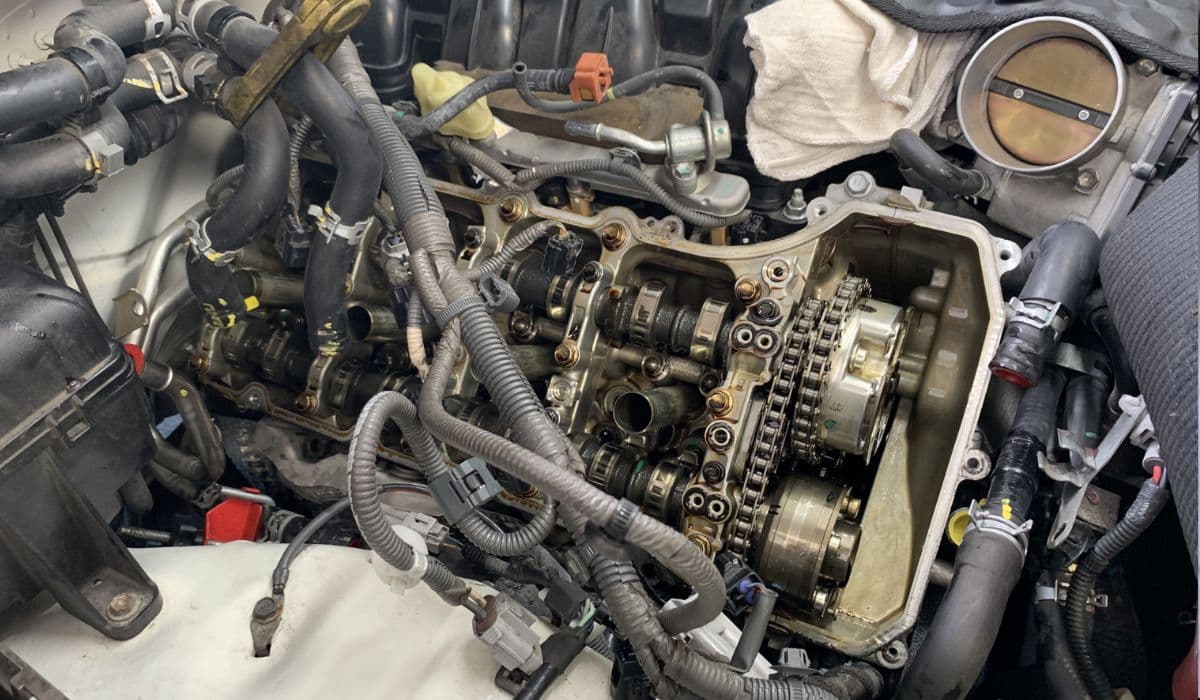
Tundra 5.7 Oil Consumption Fix (Piston Rings?)
08.12.2025 14:48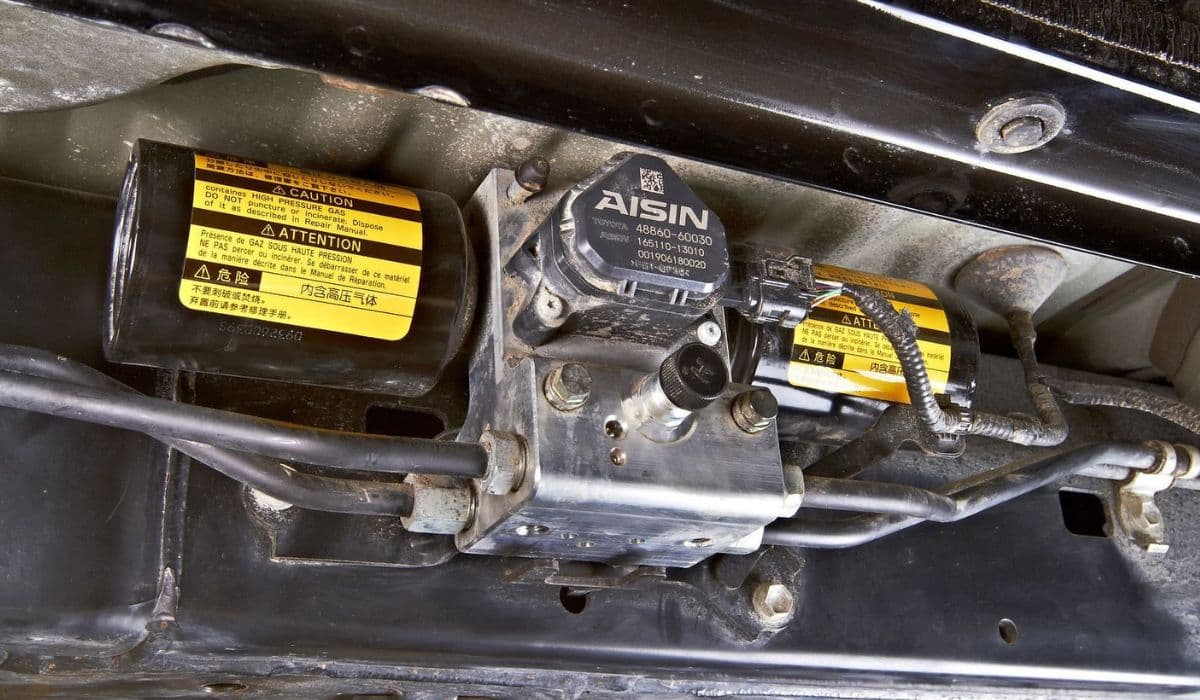
How to Fix 4Runner KDSS Lean at Home – Complete DIY Guide
08.12.2025 14:34
Toyota Tacoma Frame Rust Repair DIY: Complete Undercoating Guide
08.12.2025 13:56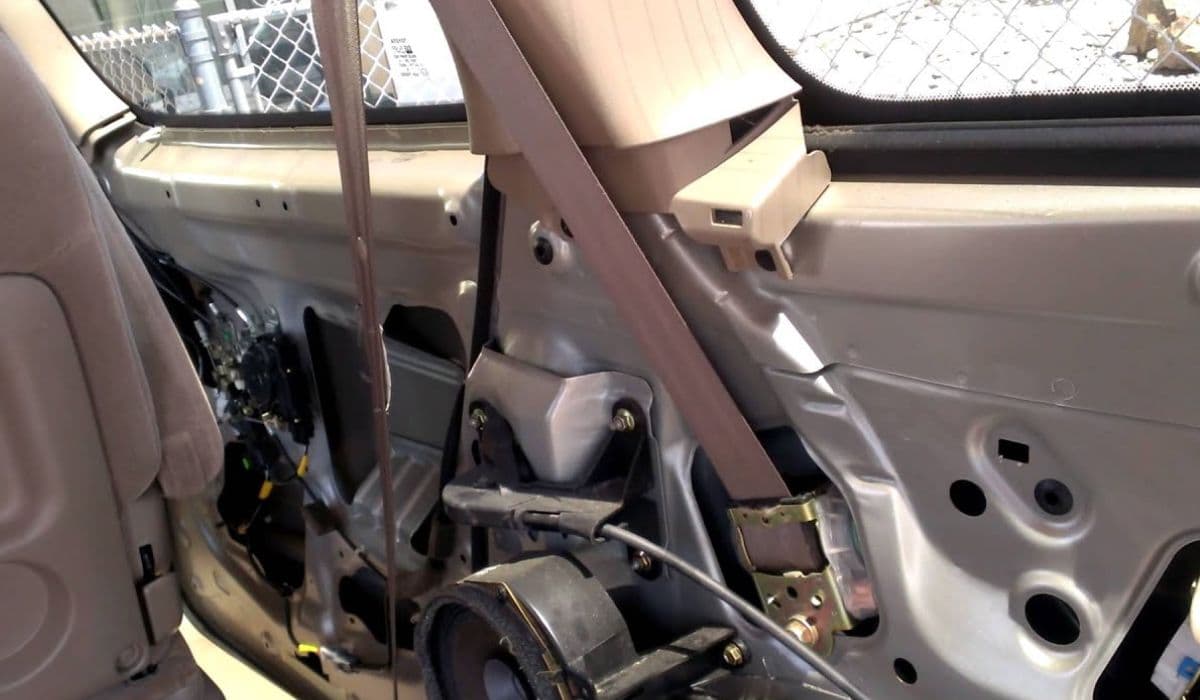
How to Fix a Toyota Sienna Sliding Door Cable Snap – Complete DIY Repair Guide
08.12.2025 13:44
Highlander Hybrid Battery Cooling Fan Cleaning: Complete Step-by-Step Guide
08.12.2025 12:56