Chevrolet Blazer EV: Super Cruise features but software glitches
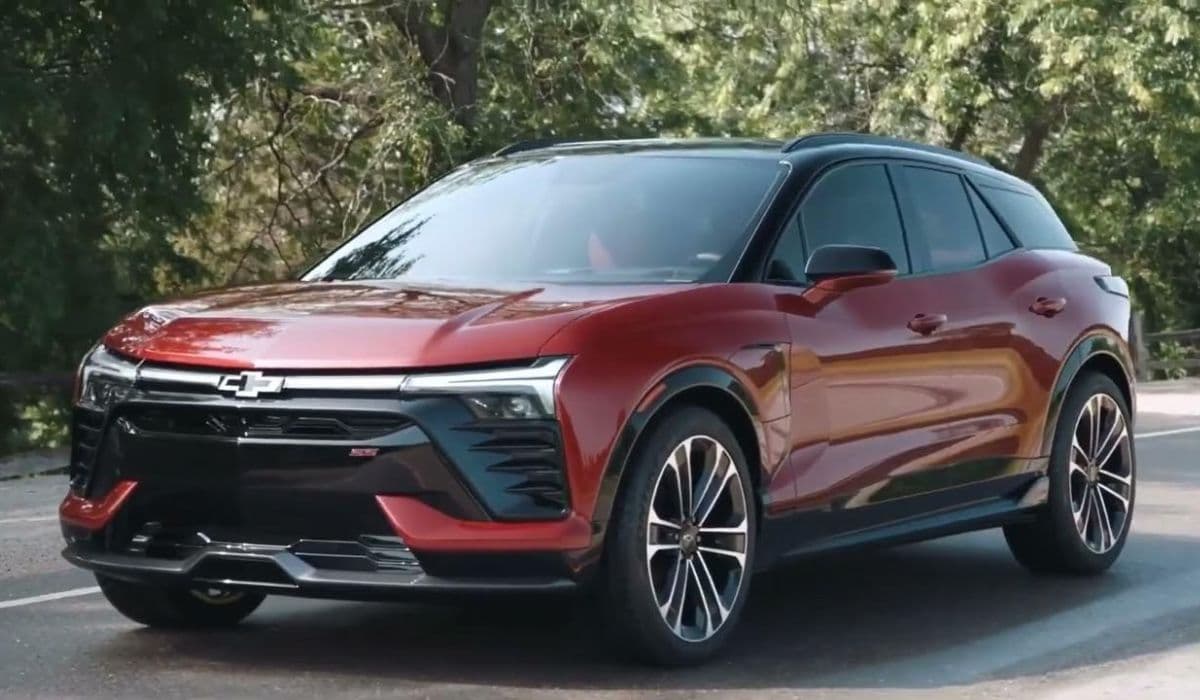
The Chevrolet Blazer EV stands out in the electric SUV segment with its bold design, impressive performance, and advanced technology. Among its most anticipated features is Super Cruise, General Motors' hands-free driver assistance system that promises a more relaxed highway driving experience. However, the rollout of this innovative EV has been overshadowed by software glitches that have frustrated early adopters and highlighted the challenges of integrating complex tech into new vehicles.
Understanding Super Cruise in the Blazer EV
Super Cruise represents a significant leap in driver assistance technology, allowing hands-free operation on compatible highways. It combines precise mapping data, radar, cameras, and GPS to maintain lane positioning, adjust speed, and even perform automatic lane changes under certain conditions.
Key aspects of Super Cruise include:
Hands-free steering on over 400,000 miles of pre-mapped roads across North America.
Driver attention monitoring via an infrared camera on the steering column to ensure eyes remain on the road.
Integration with adaptive cruise control for seamless speed management in traffic.
Automatic lane change capability, either driver-initiated or system-suggested for passing slower vehicles.
Enhanced safety protocols that disengage the system if attention lapses or road conditions change unexpectedly.
In the Blazer EV, Super Cruise is available on select trims, particularly higher-end models with all-wheel drive configurations. It requires specific hardware like additional sensors and a compatible steering system, which is factory-installed. This feature elevates long-distance travel, reducing fatigue on extended highway journeys while still requiring driver vigilance.
The Promise of Hands-Free Driving
For many buyers, Super Cruise is a game-changer. It transforms mundane commutes or road trips into less stressful experiences. Users report smoother operation compared to basic lane-keeping systems, with precise centering in lanes and confident handling of curves.
Highlights from driver feedback on Super Cruise-equipped GM vehicles:
Reliable performance on divided highways with clear markings.
Intuitive alerts through steering wheel light bars and seat vibrations.
Ability to tow trailers while engaged, maintaining stability.
Over-the-air updates that expand compatible roads and refine functionality.
When functioning optimally, Super Cruise sets a high standard in the industry, often praised for its conservative approach to safety—disengaging promptly in uncertain situations rather than overreaching.
Early Software Glitches Impacting the Experience
Despite the allure of Super Cruise, the Blazer EV's launch encountered significant software-related hurdles. Early models suffered from various bugs that affected not just the infotainment system but also core driving aids.
Common reported issues included:
Infotainment screen freezing or rebooting mid-drive, disrupting navigation and controls.
Unexpected disengagements of driver assistance features without clear reasons.
Communication errors between vehicle modules leading to warning lights.
Occasional malfunctions in camera systems or one-pedal driving modes.
Charging session interruptions tied to software validation problems.
These glitches, while not always safety-critical, proved disruptive. Some owners experienced multiple fault codes, leading to extended dealer visits. The issues stemmed from the vehicle's new Ultium platform software architecture, which integrates numerous systems in ways that revealed integration challenges during real-world use.
How Software Problems Affected Super Cruise and Overall Reliability
Although Super Cruise itself wasn't the primary culprit in the widespread complaints, the broader software instability cast a shadow over advanced features. In related GM models like the Cadillac Lyriq, similar platform quirks led to erratic Super Cruise behavior, such as abrupt disengagements or unintended lane shifts.
In the Blazer EV specifically:
Early software versions occasionally interfered with sensor data processing.
Infotainment crashes could indirectly impact overlaid Super Cruise status displays.
Module communication hiccups sometimes triggered unnecessary alerts or feature lockdowns.
These problems highlighted the growing pains of transitioning to sophisticated EV software stacks. While hardware remained robust, the digital layer required refinement to ensure consistent performance across all systems, including hands-free driving aids.
GM's Response and Ongoing Improvements
General Motors acted swiftly by implementing over-the-air updates and dealer-applied fixes. Extensive testing, including thousands of real-world miles, helped isolate and resolve the root causes without hardware replacements.
Post-update owner experiences suggest marked improvements:
Stabilized infotainment with fewer reboots.
More reliable engagement of assistance features.
Enhanced charging compatibility and system harmony.
As the platform matures, Super Cruise availability has expanded on newer configurations, with promises of broader integration. This iterative approach underscores the evolving nature of modern automotive tech, where software plays an increasingly central role.
Weighing the Strengths Against the Challenges
The Chevrolet Blazer EV with Super Cruise offers a compelling package for those seeking an electric SUV with cutting-edge autonomy. The hands-free capability shines on long hauls, complemented by the vehicle's responsive electric drivetrain and spacious interior.
Yet, potential buyers should consider the early software teething issues that affected reliability. While many problems have been addressed through updates, the experience serves as a reminder of the complexities in pioneering new EV technologies.
For highway-focused drivers, Super Cruise remains a standout feature worth exploring on compatible trims. As refinements continue, the Blazer EV positions itself as a strong contender in the electric mobility landscape, blending innovation with practical SUV utility.
More from Chevrolet
Chevrolet ownership costs: Low maintenance vs repair surprises
11.01.2026 16:29
Chevrolet infotainment: Google built-in pros and cons
11.01.2026 15:25
Chevrolet overall reliability: Strong in trucks per recent studies
11.01.2026 13:23
Chevrolet Equinox EV: Charging experience and Tesla compatibility
11.01.2026 11:46
Stylish midsize SUV but narrow seats: Chevrolet Blazer
11.01.2026 06:51