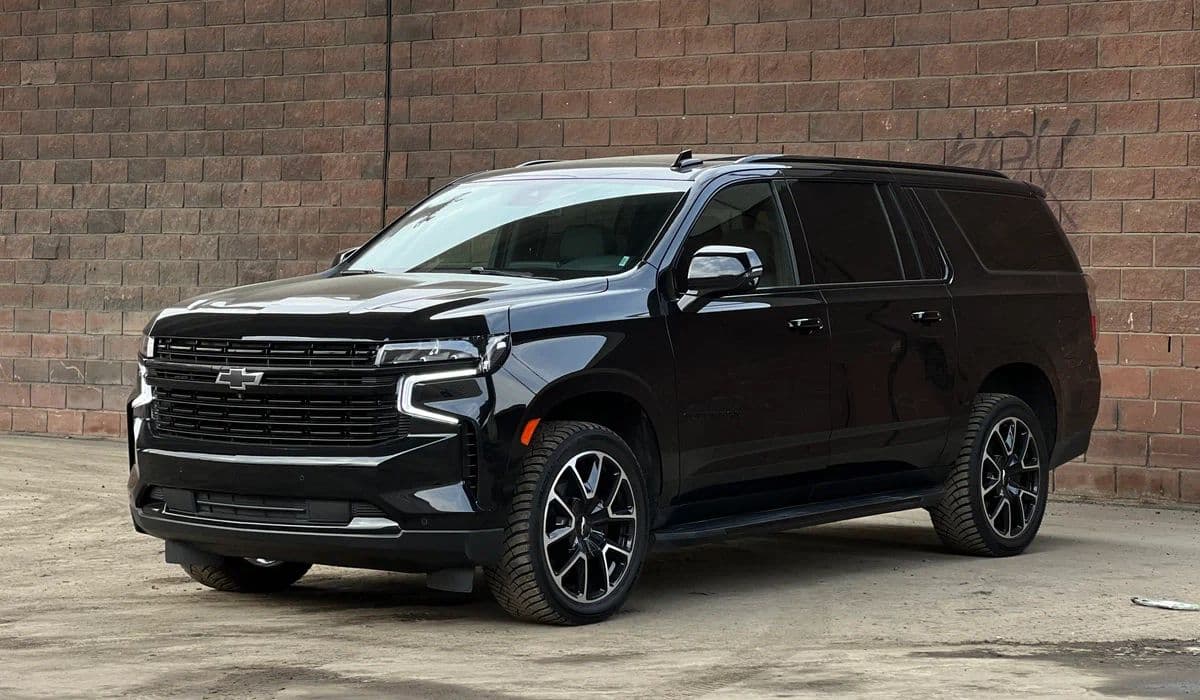
Chevrolet Silverado 1500: Towing capability vs transmission issues
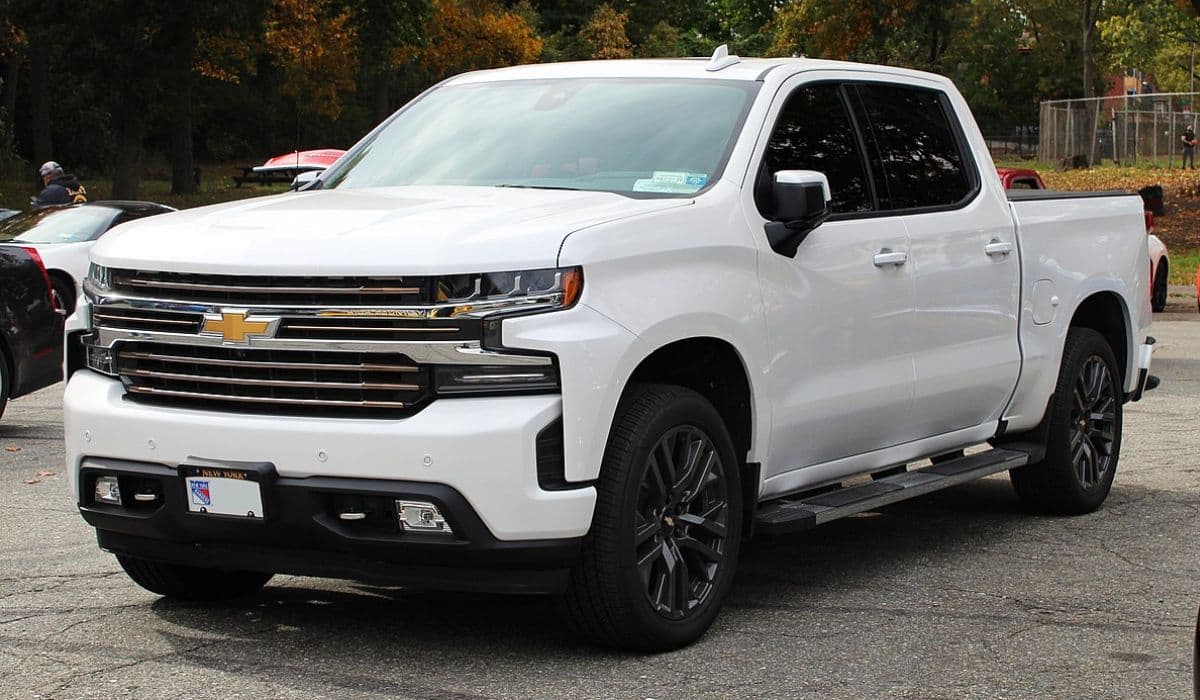
The Chevrolet Silverado 1500 stands out in the full-size pickup segment for its robust towing abilities, making it a favorite among workers and adventurers who need to haul heavy loads. When properly equipped, this truck can achieve a maximum towing capacity of up to 13,300 pounds, allowing it to pull large trailers, boats, or equipment with confidence.
Several engine options contribute to this capability:
The Duramax 3.0L turbo-diesel inline-six delivers exceptional low-end torque, often reaching the peak towing figure while providing efficient performance on long hauls.
The 6.2L EcoTec3 V8 comes close, with ratings up to 13,100 pounds in certain configurations, offering explosive power for quick acceleration under load.
Mid-range choices like the 5.3L V8 handle around 11,000 to 12,000 pounds, balancing everyday drivability with solid pulling strength.
Even the base 2.7L TurboMax four-cylinder manages respectable figures near 9,500 pounds.
Advanced features enhance these numbers, including available trailering packages with integrated brake controllers, trailer sway control, and multiple camera views for safer maneuvering. The truck's hydroformed steel frame and sophisticated suspension tuning ensure stability when towing near maximum limits, reducing sway and improving control on highways or uneven terrain.
Common Transmission Challenges in the Silverado 1500
Despite its towing strengths, the Silverado 1500 has faced criticism for transmission reliability, particularly with certain automatic units paired to its engines. Many owners report issues that can become more noticeable during heavy towing, potentially impacting the truck's overall dependability.
The 8-speed and 10-speed automatics have drawn the most attention:
Harsh or jerky shifting, especially between lower gears, creates uncomfortable jolts during acceleration or deceleration.
Shuddering or vibration at moderate speeds, often linked to torque converter problems, feels like driving over rumble strips.
Slipping gears or delayed engagement, where the transmission hesitates before responding, reduces power delivery.
Overheating under load, which can trigger limp mode and limit performance to protect components.
These problems tend to arise from factors like fluid degradation, valve body wear, or solenoid malfunctions. In some cases, towing heavy loads exacerbates wear on clutches and converters, leading to premature failures. Owners have noted that while the transmissions handle light-duty use well, sustained heavy hauling can highlight weaknesses.
How Towing Stress Interacts with Transmission Performance
Towing places significant demands on a truck's drivetrain, and in the Silverado 1500, this can amplify existing transmission vulnerabilities. The constant strain of pulling thousands of pounds requires seamless gear changes and efficient torque multiplication, areas where problematic units may struggle.
Key interactions include:
Increased heat generation from higher loads, accelerating fluid breakdown and potentially causing varnish buildup on internal parts.
Greater torque converter stress, leading to clutch slippage or shudder that feels pronounced when accelerating with a trailer.
More frequent shifting cycles on inclines, highlighting harsh engagements or delays that disrupt smooth power flow.
Potential for solenoid or valve issues to worsen, resulting in erratic behavior under the added weight.
While the Silverado's engines produce ample torque for towing, a faltering transmission can undermine this advantage, turning capable hauls into frustrating experiences with reduced confidence.
Maximizing Reliability When Towing with the Silverado 1500
Owners who prioritize towing can take steps to mitigate transmission risks and preserve the truck's strengths. Proactive habits often extend component life and maintain performance.
Effective strategies involve:
Regular fluid changes using manufacturer-recommended types, as fresh fluid reduces friction and heat-related wear.
Installing auxiliary coolers for frequent heavy towing, helping manage temperatures during demanding tasks.
Monitoring for early warning signs like unusual noises or shifts, addressing them promptly through diagnostics.
Avoiding overloads and using tow/haul mode, which optimizes shift points for better control and reduced strain.
Considering aftermarket enhancements like reinforced components for extreme use cases.
Many drivers report improved longevity by adhering to these practices, allowing the Silverado to deliver its full towing potential without frequent interruptions.
Balancing Strengths and Weaknesses for Informed Ownership
The Chevrolet Silverado 1500 offers compelling towing capabilities that rival top competitors, backed by powerful engines and smart trailering tech. However, transmission concerns remain a point of contention for some owners, especially those who regularly push the truck's limits.
Ultimately, the truck excels in scenarios where towing is occasional or moderate, providing reliable service with proper care. For intensive haulers, weighing these factors against alternatives ensures the best fit. The Silverado's blend of power and utility continues to attract loyal users who appreciate its overall package.
More from Chevrolet

Chevrolet ownership costs: Low maintenance vs repair surprises
11.01.2026 16:29
Chevrolet infotainment: Google built-in pros and cons
11.01.2026 15:25
Chevrolet overall reliability: Strong in trucks per recent studies
11.01.2026 13:23
Chevrolet Equinox EV: Charging experience and Tesla compatibility
11.01.2026 11:46
Stylish midsize SUV but narrow seats: Chevrolet Blazer
11.01.2026 06:51