Best Year for 3rd Gen Ford F-150 (2009-2014)
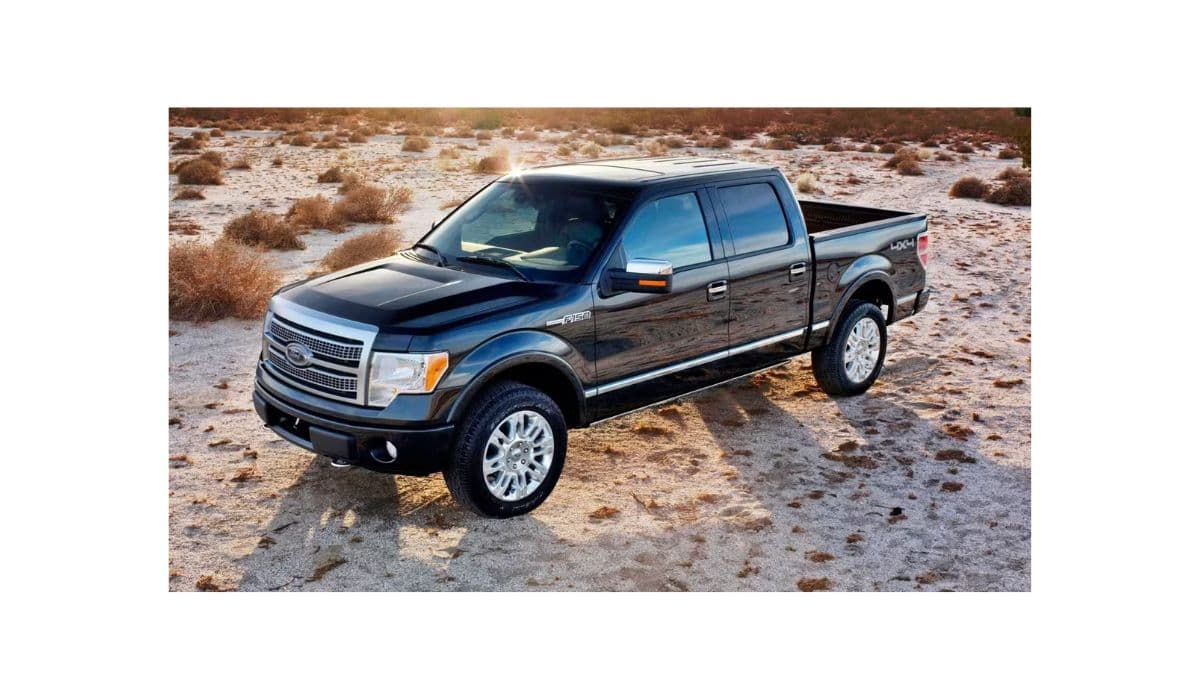
The third-generation Ford F-150 (internally coded P415) ran from 2009 to 2014 and marked a massive leap over the 2004-2008 trucks. It introduced a tougher fully boxed frame, stronger hydroformed front rails, coil-over-shock front suspension on most models, rack-and-pinion steering, and the game-changing EcoBoost twin-turbo V6 in 2011. These six model years are not created equal — some suffer from serious issues while others are considered the sweet spot for reliability, power, and long-term ownership costs.
Engine Options: Which Powerplant Actually Lasts?
2009-2010: Only naturally aspirated engines
4.6L 2V V8 (248 hp) – avoid, chronic cam phaser and timing chain guide problems
4.6L 3V V8 (292 hp) – decent but underpowered for a full-size truck
5.4L Triton 3V V8 (310 hp early, 320 hp later) – infamous for cam phaser knock, broken spark plugs, and wet timing chain issues that often lead to $3,000+ repairs
2011-2014: EcoBoost era begins
3.7L Ti-VCT V6 (302 hp, 278 lb-ft) – surprisingly durable, used in police and fleet service
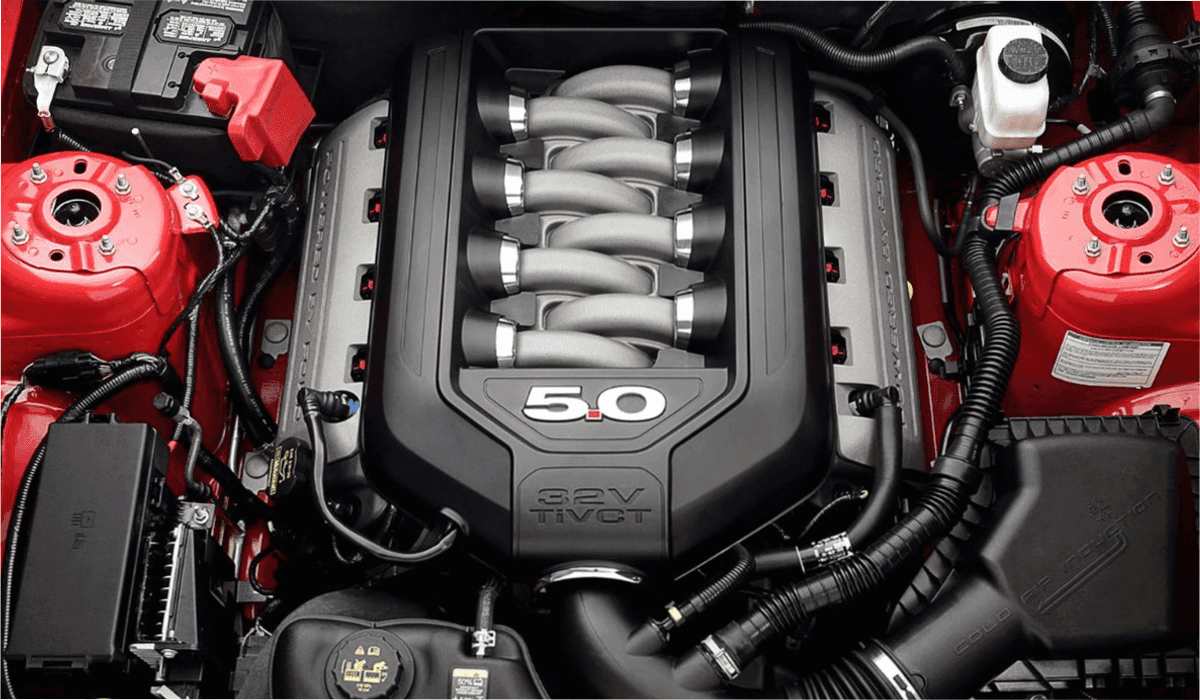
5.0L Coyote V8 (360 hp, 380 lb-ft) – one of the best modern Ford V8s, minimal issues
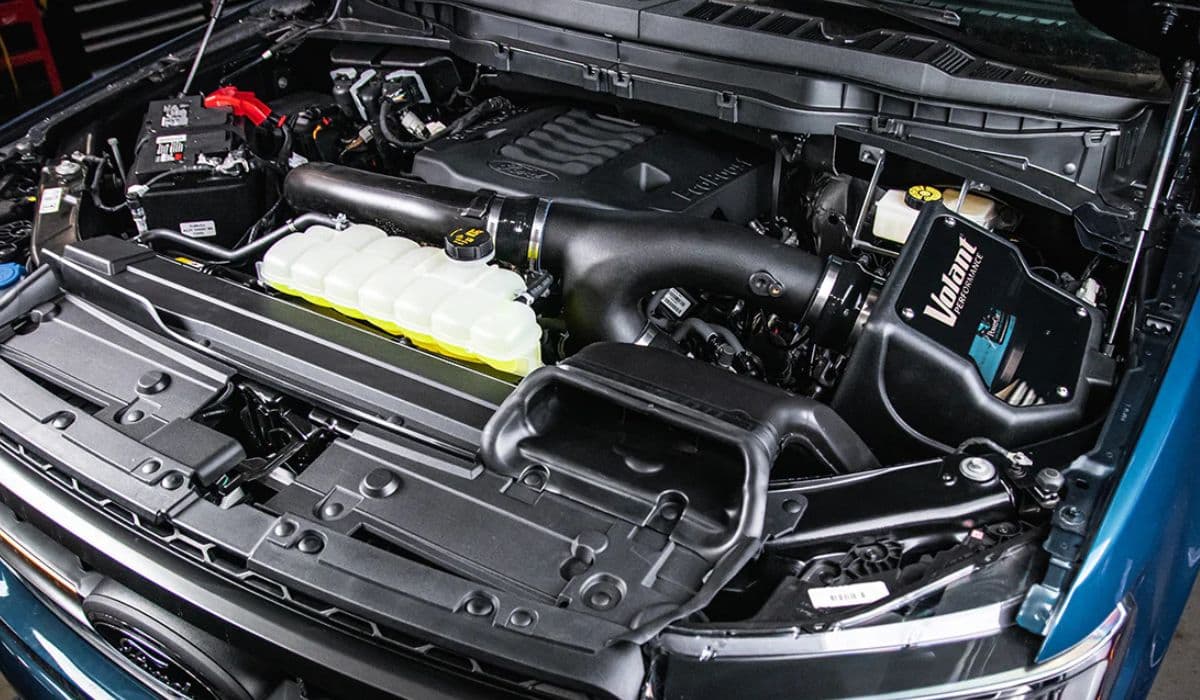
3.5L EcoBoost V6 (365 hp, 420 lb-ft) – torque monster, but early 2011-2012 had turbo coolant leak problems
6.2L V8 (411 hp, 434 lb-ft) – bulletproof but only in Super Duty-based trims and Raptor
Winner: 2013-2014 5.0L Coyote or late 2013-2014 3.5L EcoBoost with revised turbos and intercooler.
Major Model-Year Differences You Need to Know
2009
First year of the new body. Stiff ride, primitive 4-speed auto on lower trims, no EcoBoost yet, early interior rattles, and the dreaded 5.4L cam phaser plague at its peak. Avoid unless heavily discounted.
2010
Minor refresh: 6-speed automatic finally standard across the board, slightly better SYNC system, added chrome packages. Still no EcoBoost, same troublesome 5.4L. Last year before the big power jump.
2011
Game changer. EcoBoost 3.5L and 5.0L Coyote debut. New 6R80 transmission is far stronger. Interior quality jumps noticeably. However, first-year EcoBoost had condensation in intercooler (causing misfires under boost) and early turbo coolant connector leaks.
2012
EcoBoost gets improved charge-air cooler and revised PCM strategy to reduce shudder. Sony audio becomes available. FX Appearance package introduced. Still some turbo coolant leaks reported.
2013
Mid-cycle refresh: new front grille, HID projector headlights standard on higher trims, MyFord Touch optional (avoid if you hate glitchy screens), tailgate step standard on more models, EcoBoost gets upgraded turbos and better coolant routing — turbo failures drop dramatically.
2014
Final year. All running changes from 2013 plus standard rearview camera, 8-inch productivity screen in cluster on Lariat+, improved SYNC voice recognition. Most refined and bug-free year of the generation.
Real-World Reliability Data (2011-2014 Focus)
According to CarComplaints.com, TrueDelta, and F-150 forums with over 500,000 registered 3rd-gen trucks:
2011: highest complaint count (EcoBoost misfire/shudder, turbo coolant leaks)
2012: 38% fewer complaints than 2011
2013: “Golden year” — lowest overall complaints of the entire generation
2014: virtually identical to 2013 but slightly fewer transmission reports
Transmission & Drivetrain: 6R80 Truths
The 6R80 6-speed is generally excellent when serviced every 50-60k miles. Common myth: “lead frame” failures kill them. Reality: molded lead frame issues mostly affect 2009-early 2011 trucks. From mid-2011 onward Ford switched to a revised lead frame and updated valve body. 2013-2014 trucks almost never have this problem.
Rust & Body: Where They Fail
Cab corners and rocker panels start bubbling by year 8-10 in salt states. Aluminum hoods on 2009-2014 are immune to rust but the steel frame rails underneath love to rot if undercoated poorly. Check frame thoroughly on any northern truck.
Best Trim & Configuration in 2013-2014
Engine: 5.0L Coyote (zero turbo worries, sounds great, 400k-mile potential) or 2013+ 3.5L EcoBoost if you tow heavy
Cab: SuperCrew (best resale, most practical)
Bed: 5.5ft or 6.5ft (8ft beds kill resale)
Trim: Lariat or FX2/FX4 — loaded but not Platinum money
Packages: 3.55 or 3.73 electronic-locking rear axle, Max Tow if EcoBoost
Common Problems Even on “Good” Years (and Fixes)
IWE (vacuum front hub) grinding — $400 fix, common 2009-2014
Panoramic sunroof rattles/explosion risk — delete option if buying used
Rear window defrost tabs break — easy solder fix
Door lock actuators fail — $80 each DIY
2013-2014 electric steering rack whine — Ford TSB, usually just low fluid
Current Used Market Reality (Late 2025)
Clean 2013-2014 SuperCrew Lariat 4x4 with 5.0L or 3.5L EcoBoost and under 120k miles trade between $22,000 and $28,000 USD depending on region. Miles-per-dollar ratio still beats almost any new half-ton truck.
The Verdict: 2013 Is the Single Best Year
All major EcoBoost issues solved
6R80 lead frame fixed years earlier
Mid-cycle styling refresh
Lowest complaint rate of the entire 2009-2014 run
Still modern enough (Bluetooth, USB, backup camera available)
If you absolutely refuse turbos, grab a 2013-2014 with the 5.0L Coyote and 3.55 or 3.73 gears — they’re practically bulletproof and sound better than any EcoBoost with a cat-back.
The third-gen F-150 aged far better than most critics predicted in 2009. Buy a clean 2013-2014 example, change the EcoBoost spark plugs and turbosmart wastegate actuator at 100k if it’s a 3.5L, and you’ll easily see 300,000-400,000 miles with basic maintenance. Few trucks in history offer this combination of capability, refinement, and long-term durability.