Coyote Gen 4 V8 (2024-Present) – Major Changes and Upgrades in the F-150
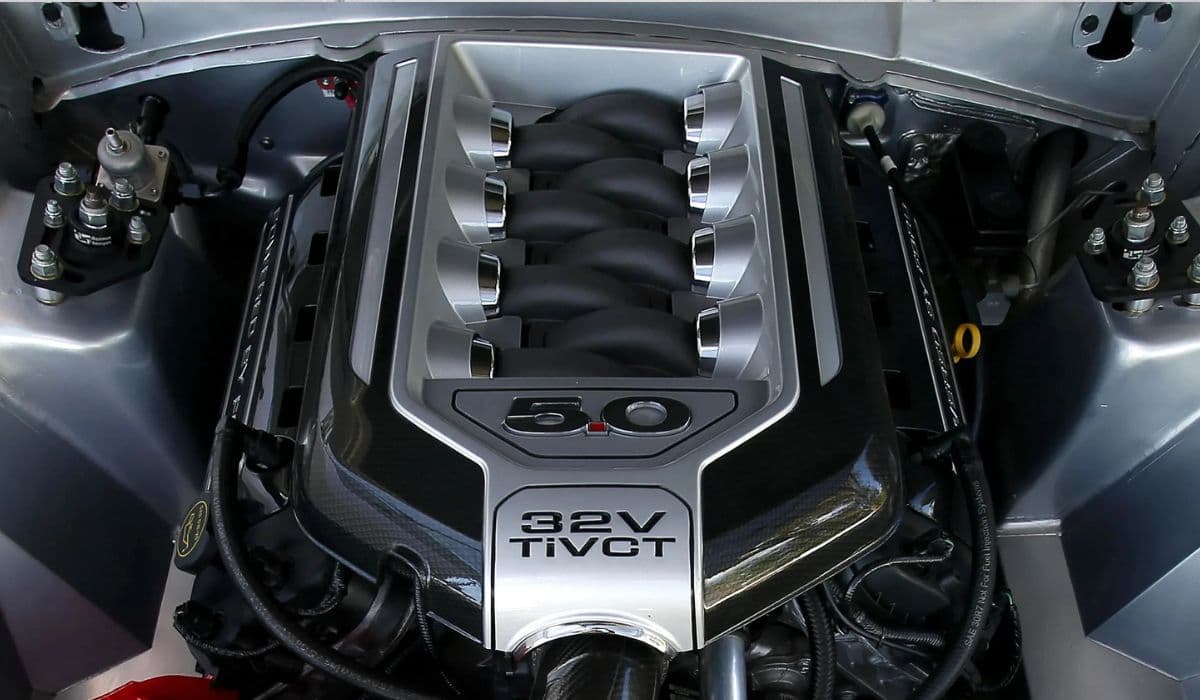
Starting with the 2024 refresh, Ford introduced the heavily revised fourth-generation 5.0L Coyote V8, replacing the long-running Gen 3 that had been in production since 2018. The new engine is exclusive to the non-hybrid F-150 models and brings the biggest changes to the Coyote platform since dual fuel injection was added in 2018.
Dual Direct + Port Injection System
For the first time on a regular-production F-150, the Gen 4 Coyote combines both direct injection and port injection on the same engine. Each cylinder now has two injectors – a high-pressure DI injector in the combustion chamber and a low-pressure port injector in the intake runner. Ford claims this “dual-fuel” setup reduces carbon buildup on intake valves, improves cold-start emissions, and allows higher specific output without knocking on 87 octane.
Revised Cam Phasers and VCT System
The most owner-requested fix finally arrived: completely redesigned variable cam timing solenoids and cam phasers. The new phasers use a different internal torsion spring design and higher-flow oil passages. The rattle-prone “lock-out” style phasers from Gen 1–3 are gone. Combined with updated PCM calibration, cold-start rattle is virtually eliminated on Gen 4 engines. Early 2024+ owners with over 30,000 miles report zero returns of the classic clatter even after oil change intervals are stretched.
Stronger Connecting Rods and Crankshaft
The Gen 4 adopts the forged crankshaft and powder-metal connecting rods from the 2020–2023 Mustang Mach 1 / Gen 4 Coyote crate engine. Rod bolts are upgraded to 12 mm (up from 10 mm), and the crank is cross-drilled for better oiling. These parts were already proven in 10-second quarter-mile Coyote drag engines, so long-term durability in a 6,000-lb truck is excellent.
Higher Compression Ratio
Compression jumps from 12.0:1 to 12.5:1 thanks to a new piston design with a smaller dish and revised ring pack. Combined with the dual-injection system, Ford still rates the engine to run on regular 87 octane while making 400 hp and 410 lb-ft (up from 395 hp / 400 lb-ft in the 2021–2023 Gen 3).
Improved Oil Pump and Pan Design
A new variable-displacement oil pump with higher volume replaces the previous fixed pump. The oil pan baffle is redesigned with taller trap doors and a deeper sump to prevent oil starvation during long uphill towing grades or aggressive off-road use.
Plasma-Coated Cylinder Bores
Borrowed from the Shelby GT500 Predator engine, the Gen 4 Coyote uses plasma-transferred wire arc coating on the aluminum block bores instead of pressed-in iron liners. This reduces friction, improves heat transfer, and drops roughly 8–10 pounds of weight from the rotating assembly.
Active Exhaust Option
For the first time on an F-150, the 5.0L can be ordered with factory active exhaust valves (standard on Lariat High/Platinum with 502A package, optional on others). The system offers Quiet, Normal, Sport, and Baja modes controlled through the drive mode selector.
Cooling System Upgrades
A larger radiator core and higher-capacity electric fan are fitted when the 5.0L is paired with Max Trailer Tow or the 7.2 kW Pro Power Onboard option. Coolant flow routing to the cylinder heads was also revised to improve hot-spot cooling under sustained heavy load.
Early Owner Reliability Feedback
As of now, the Gen 4 Coyote has proven dramatically more reliable than the troubled Gen 3 in 2021–2023 trucks. Cam phaser rattle complaints have dropped to near zero, oil consumption is significantly lower thanks to port injection keeping valves clean, and no widespread reports of rod bearing or crankshaft failures have surfaced even on trucks towing 10,000+ lbs regularly.
The only minor recurring complaint is slightly louder mechanical fuel pump tick from the dual-injection system at idle, but most owners say it’s far less intrusive than the old cam phaser rattle ever was.
In short, Ford used the 2024 refresh to fix virtually every major weakness of the previous 5.0L Coyote in the F-150 while adding power, efficiency, and refinement. For buyers specifically shopping non-hybrid 5.0L models, choosing a 2024 or newer truck effectively eliminates the engine-related headaches that plagued earlier fourth-gen trucks.
More from Ford
2.3L EcoBoost Mustang High-Mileage Reliability: What Really Happens After 100,000+ Miles
08.12.2025 05:04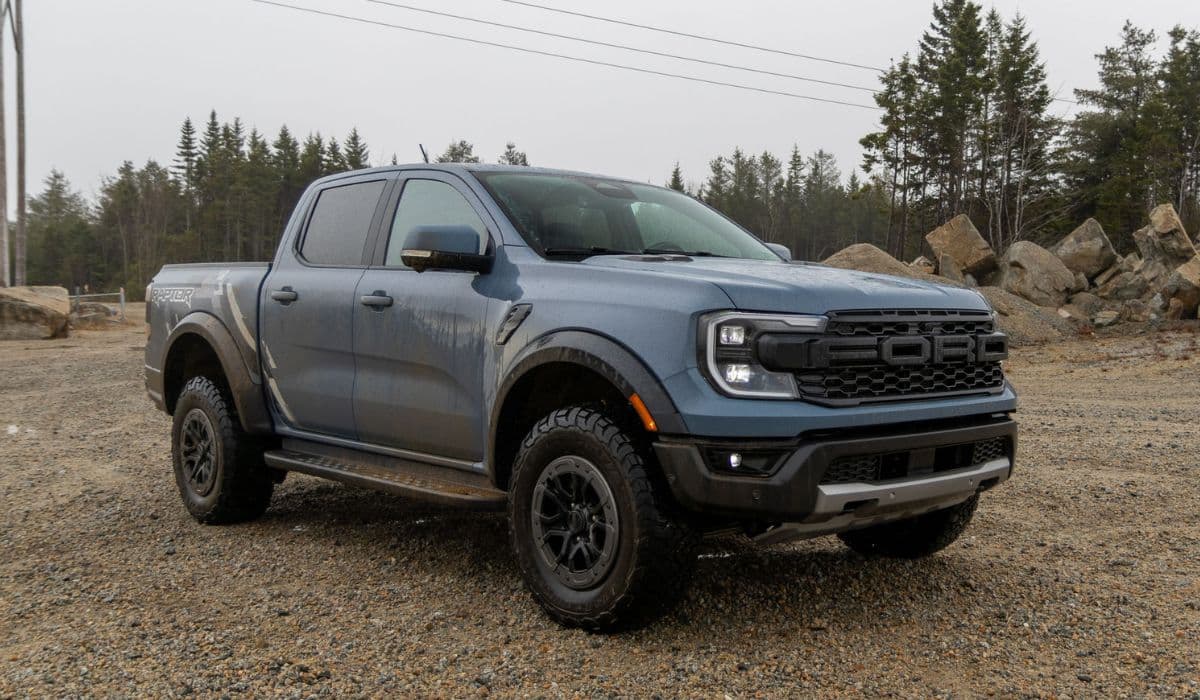
2024–2025 Ford Ranger Raptor Engine Specs and Real-World Tuning Potential
08.12.2025 01:55
3.0L Power Stroke Diesel Engine Problems (2020–2024 F-150)
06.12.2025 15:58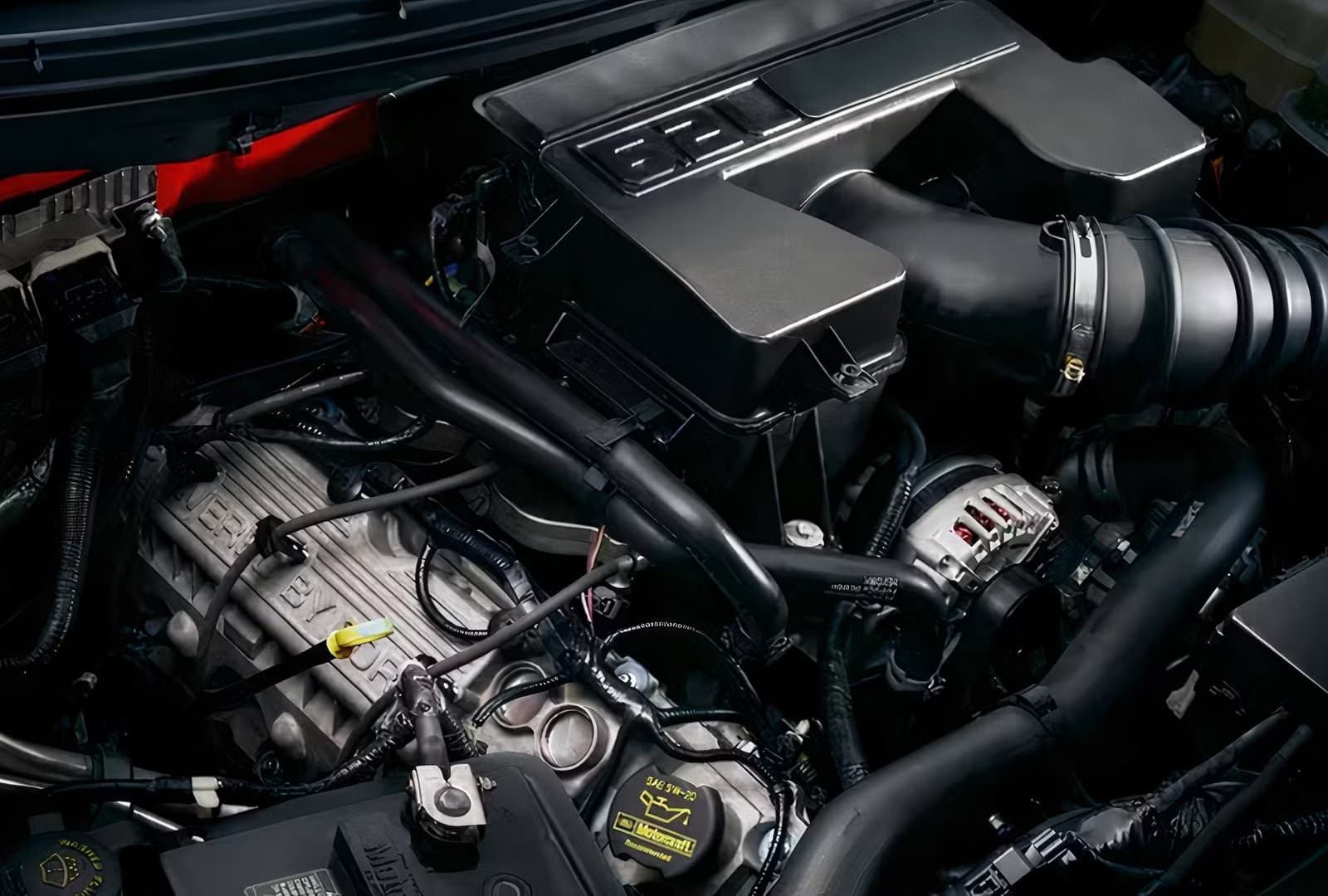
6.2L Boss V8 Engine Reliability in 2011-2016 Ford F-250 Super Duty: Long-Term Owner Experience
06.12.2025 13:37
Most Common Issues with 4th Generation Ford F-150 (2021-Present)
06.12.2025 11:00