6.2L Boss V8 Engine Reliability in 2011-2016 Ford F-250 Super Duty: Long-Term Owner Experience
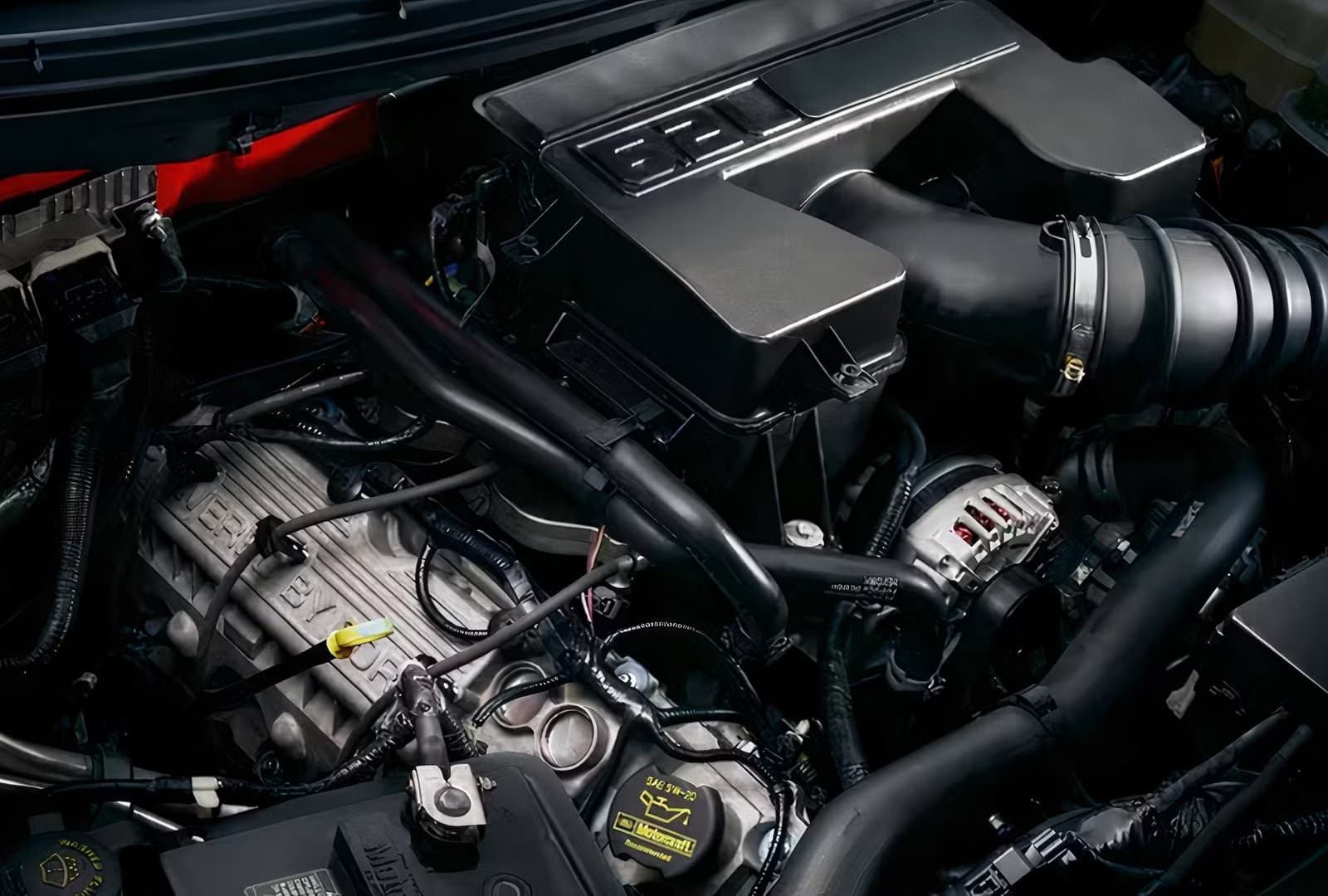
The 6.2L “Boss” SOHC V8 (RPO code 6.2L or 99N) was introduced in 2011 as the base gasoline engine for the Super Duty lineup, replacing the aging 5.4L Triton and 6.8L V10 in most configurations. Producing 385 hp and 405 lb-ft (2011-2016 and 430 lb-ft from 2017-on, it was designed from the ground up for truck duty with a deep-skirt cast-iron block, forged steel crankshaft, hypereutectic pistons, and a robust variable-cam-timing system. On paper it looked bulletproof, and in many ways it has proven to be one of the most durable gasoline engines Ford has ever put in a ¾-ton or 1-ton truck.
Overall Long-Term Reliability Verdict
Real-world data from owner forums (Ford-Trucks.com, Powerstroke.org, F250 forums), Oilburners.net fleet reports, and used-truck resale values show that the 6.2L Boss is legitimately one of the most reliable gasoline HD truck engines of the last 20 years. Engines regularly surpass 300,000–500,000 miles with only basic maintenance when not abused in severe hot-shot or constant max-payload service. Many 2011–2014 units that were former fleet or government trucks are still on the road at 400k+ miles with the original bottom end.
Strong Points That Contribute to Longevity
Cast-iron block and forged crank handle extreme towing (15,000–20,000 lb trailers) far better than the later 6.7L Power Stroke in gasoline-tuned state.
Single overhead cam per bank and only two timing chains (no intermediate sprockets like the 5.4L 3V) drastically reduce chain-stretch problems.
Oil pump is gear-driven off the crank nose — no balance-shaft chain failures possible.
Hypereutectic pistons and powder-metal rods are overbuilt for the power level; rod bearing failures are almost unheard of unless the engine has been severely overheated or run with no oil.
Very tolerant of E85 flex-fuel use (2013+ models) with no measurable reduction in service life.
Known Weak Points and Common Failures
1. Cam Phasers & VCT Solenoids (2011–early 2013)
The early variable-cam-timing phasers were noisy and sometimes failed between 80k–150k miles, producing a loud rattle on cold start very similar to the 5.4L 3V. Ford revised the phasers in mid-2013 (part suffix -AD) and again in 2017 (-AE). The updated units are extremely reliable.
2. Thrust Bearing Failure on Crankshaft (Rare but Catastrophic)
A small number of 2011–2012 engines (mostly built Oct 2010–May 2012) suffered main thrust bearing washout when the torque converter flexplate bolts backed out or the converter ballooned under heavy towing. Ford issued TSB 12-12-10 and extended thrust bearing warranty to 10 years/150,000 miles on affected VINs. Failure rate is well under 1 %, but when it happens the crank is usually destroyed.
3. Exhaust Manifold Studs & Gasket Leaks
Broken exhaust manifold studs are common by 120k–180k miles, especially on trucks that do a lot of cold-start short trips or plow snow. The passenger-side rear stud is the worst offender. Many owners simply replace all 16 studs with Ford updated studs (W716457-S437) or aftermarket Stage-8 locking studs.
4. Oil Pump Belt (2017+ Only)
Starting in 2017 the 6.2L switched from gear-driven to a belt-in-oil pump drive. While the belt is rated for the life of the engine, a handful of high-mileage 2017–2020 Gen-2 engines have shed teeth around 250k–300k miles. Not a concern on 2011–2016 trucks.
5. Spark Plugs & Ignition Coils
Original Motorcraft SP-534 (fine-wire iridium) plugs are good for 100k–130k miles in normal use, but towing in hot climates or E85 use shortens life to 60k–80k. Coil-on-plug boots harden and crack, causing misfires that are often misdiagnosed as bad injectors.
6. Valve Cover Gaskets & PCV System
Valve cover gaskets start seeping around 150k miles. The integrated PCV valve in the driver-side cover clogs with carbon, raising crankcase pressure and accelerating oil leaks.
7. Water Pump Weepage
Factory water pumps commonly start weeping from the weep hole between 120k–180k miles. Replacement with Motorcraft PW-545 or Gates is straightforward.
Maintenance Items That Dramatically Extend Life
Transmission fluid & filter every 50k miles (many 300k+ trucks still on original 6R140).
Oil changes no longer than 7,500 miles severe / 10,000 miles normal with full-synthetic 5W-30 or 10W-30.
Coolant flush every 100k miles — the factory Motorcraft Gold is excellent but turns acidic if neglected.
Fuel filter (on frame rail) every 22.5k miles on 2011–2016 gasoline trucks.
Bottom Line for 2011-2016 F-250 6.2L Buyers
If you are looking at a used 2011–2016 Super Duty with the 6.2L gasoline Boss, it is one of the safest used HD truck engine bets on the market today. Avoid early 2011 builds with unresolved thrust-bearing TSB, budget $600–900 for broken exhaust studs if the typical tick is present, and plan on plugs/coils and a water pump in the first year of ownership if it’s over 120k miles. Other than those items, the vast majority will run to 400,000+ miles with nothing more than fluids, filters, and the occasional coil.
More from Ford
Most Common Issues with 4th Generation Ford F-150 (2021-Present)
06.12.2025 11:00
Best F-150 Engine Ever Made – Definitive Ranking
06.12.2025 09:54
6R80 vs 10R80 Transmission – Key Differences and Real-World Truths
06.12.2025 09:45
2.7 EcoBoost vs 3.5 EcoBoost – Long-Term Reliability Reality
06.12.2025 09:24
7.3 Godzilla Engine Swap into Older F-150 – The Ultimate Guide
06.12.2025 09:09