Ford 10-Speed Transmission Shudder: In-Depth Causes and Proven Fixes for 2025 Models
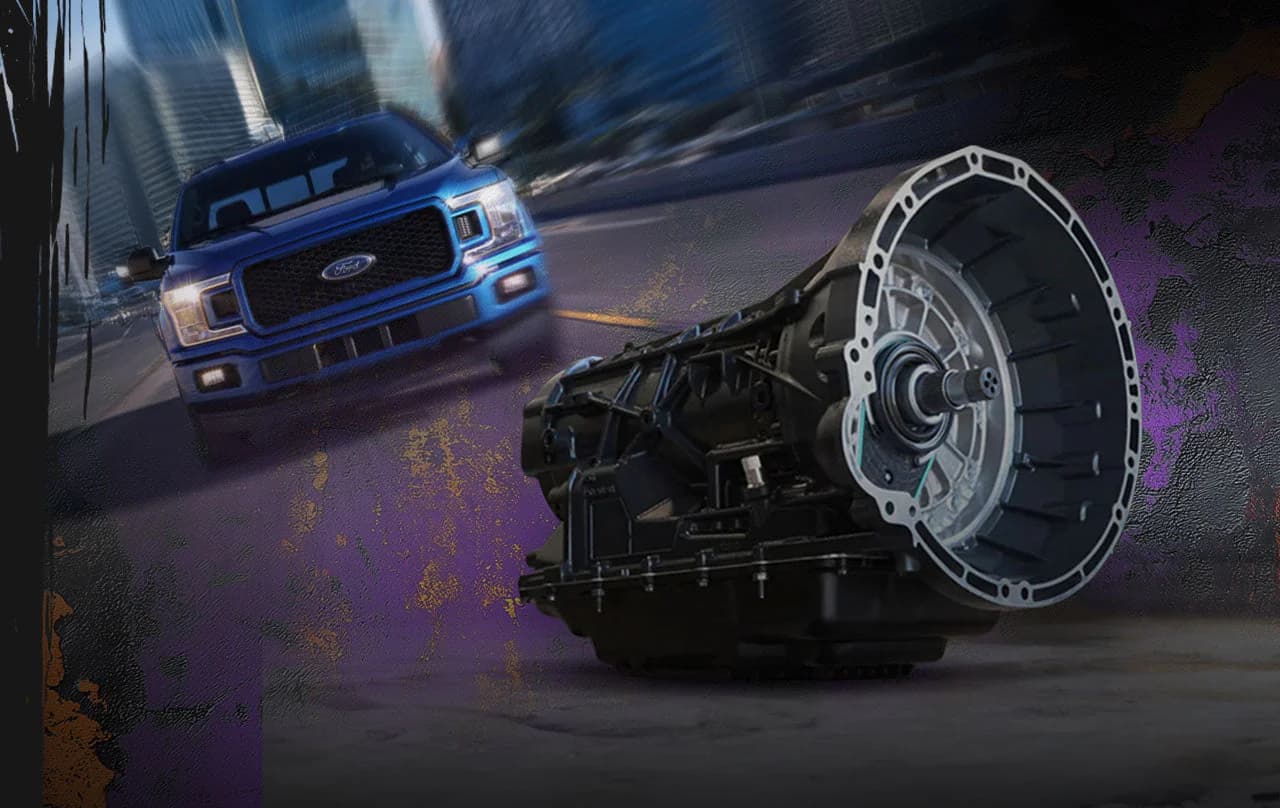
The 10R80 10-speed automatic transmission pairs seamlessly with the F-150's diverse engine lineup, offering quick shifts and efficiency gains that contribute to its towing prowess and highway cruising. However, a persistent complaint among owners—especially noticeable in 2024 and 2025 builds—is the dreaded shudder. This vibration or judder typically manifests as a rhythmic shaking through the driveline during light acceleration in higher gears (often 8th through 10th), deceleration downshifts (like 8th to 3rd), or when the torque converter locks up under load. It's particularly aggravating on highways, during passing maneuvers, or when towing light loads, as it undermines the truck's refined ride quality. While not every unit experiences it, NHTSA filings and forum threads show it's widespread enough to prompt ongoing Ford interventions.
Root Causes Behind the Shudder Phenomenon
At its core, the shudder often stems from torque converter clutch slippage or incomplete lockup, exacerbated by the 10R80's complex hydraulic and electronic controls designed for fuel economy. The converter's multi-plate clutch can develop uneven friction when fluid degrades or pressure modulation falters, leading to that telltale vibration at speeds between 55-70 mph. In 2025 models, early reports link it to aggressive shift programming that prioritizes early upshifts for MPG, causing the transmission to hunt gears under partial throttle—think approaching an overpass on cruise control or easing onto the accelerator in 10th gear.
Valve body inconsistencies play a villainous role too. Solenoids that regulate fluid pressure can wear prematurely, resulting in delayed or harsh engagement of clutches. Debris from normal wear circulates through the narrow passages, amplifying the issue over time. Low fluid levels, though less common in sealed units, have been a smoking gun in DIY diagnostics; one owner drained just 5 quarts from a system spec'd for 13.1, revealing severe underfill that triggered shuddering. Cold-weather operation worsens it, as the 10R80 takes longer to reach optimal temperature (around 175-195°F), where viscosity stabilizes. For hybrid PowerBoost variants, the added electric motor torque can mask or intensify the symptom, blending it with regenerative braking judder.
Programming quirks in the transmission control module (TCM) contribute significantly. Factory calibrations sometimes misjudge throttle input, leading to "hunting" between ratios—stutter in 3rd-5th or hesitation in 9th-10th. This isn't outright failure but feels like bucking, especially post-fluid changes if adaptive learning resets poorly. In rarer cases, center shaft wear or cracked casings from torque spikes have surfaced, though these are more catastrophic and covered under warranty.
Official Ford Remedies and TSB Evolutions
Ford has aggressively addressed the shudder through technical service bulletins (TSBs) and over-the-air (OTA) updates, with refinements rolling out into 2025. The cornerstone fix is TSB 21-2407 (updated variants like 23-2250 and 24-2153), which reprograms the TCM for smoother torque converter lockup strategies and revised shift maps. This calibration reduces slippage by optimizing solenoid duty cycles and clutch apply pressures, particularly in gears 3-5 and 8-10. Dealers perform it via the Ford Diagnostic and Repair System (FDRS), often in under an hour, and it's free under the 5-year/60,000-mile powertrain warranty. Owners report 70-80% resolution after this alone, especially if the truck has under 30,000 miles.
For persistent cases, TSB 25-2046 introduces a valve body inspection protocol: Technicians pressure-test solenoids and scan for diagnostic trouble codes (DTCs) like P0741 (torque converter clutch stuck off). If faulty, the entire valve body gets replaced with the updated "Gen 2" unit featuring reinforced seals and recalibrated spacers. This hardware swap, combined with a fluid top-off using Mercon ULV (ultra-low viscosity spec for 10R80), has quelled shudders in trucks with 40,000+ miles. In March 2025, recall 25V-164 expanded to 2024-2025 F-150s (VINs starting with 1FT7W1E5XFKxxxxxx through 1FT7W1E5XFKxxxxxx), mandating valve body overhauls for affected serial numbers due to manufacturing variances in solenoid tolerances.
Transmission fluid service remains a frontline defense. Ford now recommends partial drains every 150,000 miles, but proactive owners swap at 60,000 using the dipstick method (engine running, trans at 86-113°C). The process: Drain 5-6 quarts, replace the external filter (internal access requires pan drop), and refill precisely—overfill causes foaming and worse shudder. Using OEM Mercon ULV is non-negotiable; aftermarket fluids have triggered clutch glazing. For 2025 PowerBoost models, a hybrid-specific calibration (TSB 24-2387) adjusts for electric assist, preventing regen-induced vibes.
DIY Troubleshooting and Quick Wins
Armed with tools like FORScan (a OBD-II adapter app), owners can diagnose without a dealer trip. Monitor live data for trans temp, TCM adaptive values, and lockup status during a test drive—shudder often correlates with converter slip exceeding 50 RPM. Resetting adaptive learning via FORScan (clearing KAM—keep alive memory) forces the TCM to relearn your driving style, sometimes eliminating hunt. One forum user fixed their 2025 Lariat's downshift judder by driving 100 "normal" miles post-reset in varied conditions.
Additives like Ford's Friction Modifier (two ounces per quart) or third-party ShudderFixx can temporarily band-aid converter slip by enhancing clutch grip, but they're stopgaps—flush them out before warranty work. Driving in Sport mode delays upshifts, bypassing economy-biased programming; it's a hack for hilly routes but guzzles fuel. Tire pressure imbalances or worn U-joints mimic shudder, so rule those out with a road force balance.
Long-Term Prevention and Warranty Leverage
To stave off recurrence, maintain fluid religiously and avoid aggressive launches pre-warm-up. Larger aftermarket tires (35-inch+) can exacerbate slip by altering final drive ratios, so recalibrate the speedometer post-install. If shudder returns post-fix, escalate via Ford's Customer Satisfaction Program—many get loaners and goodwill extensions to 8 years/100,000 miles.
Class-action scrutiny (ongoing suits for 2017+ models) pressures Ford for broader coverage, but individual lemon law claims succeed if three+ repair attempts fail. In 2025, OTA updates via the SYNC 4 system push calibrations wirelessly, so keep software current. While not flawless, these evolutions make the 10R80 more robust than its launch-year woes, preserving the F-150's throne as America's workhorse.
More from Ford
6.2L Boss V8 Engine Reliability in 2011-2016 Ford F-250 Super Duty: Long-Term Owner Experience
06.12.2025 13:37
Most Common Issues with 4th Generation Ford F-150 (2021-Present)
06.12.2025 11:00
Best F-150 Engine Ever Made – Definitive Ranking
06.12.2025 09:54
6R80 vs 10R80 Transmission – Key Differences and Real-World Truths
06.12.2025 09:45
2.7 EcoBoost vs 3.5 EcoBoost – Long-Term Reliability Reality
06.12.2025 09:24