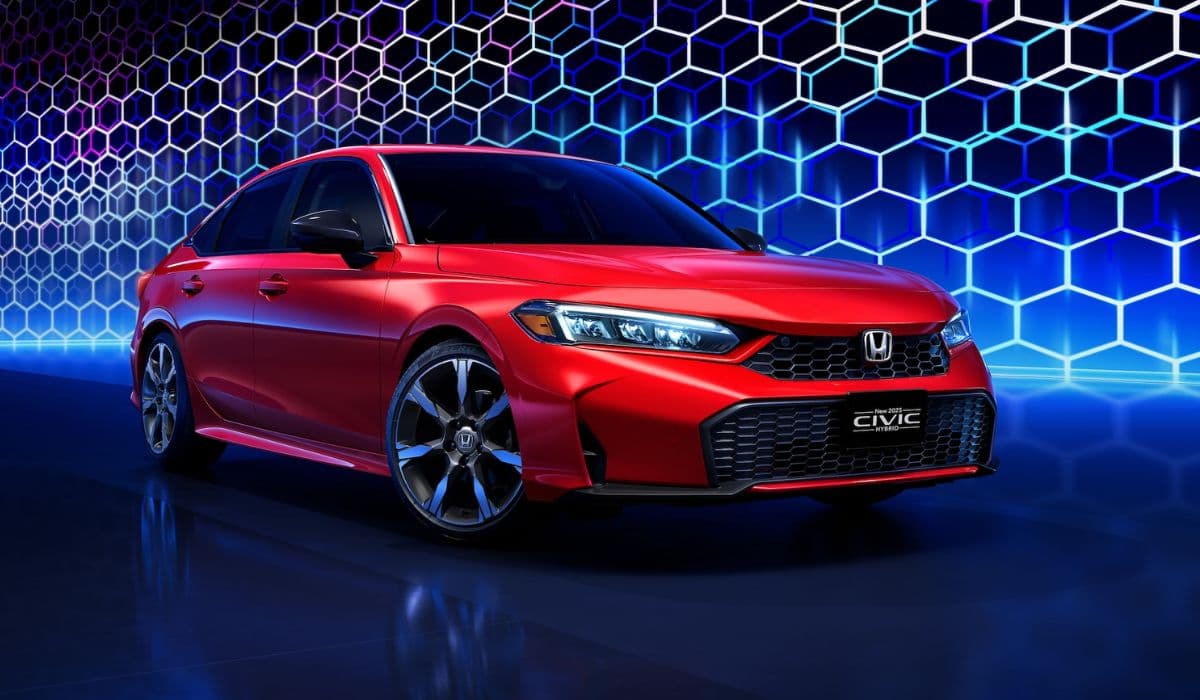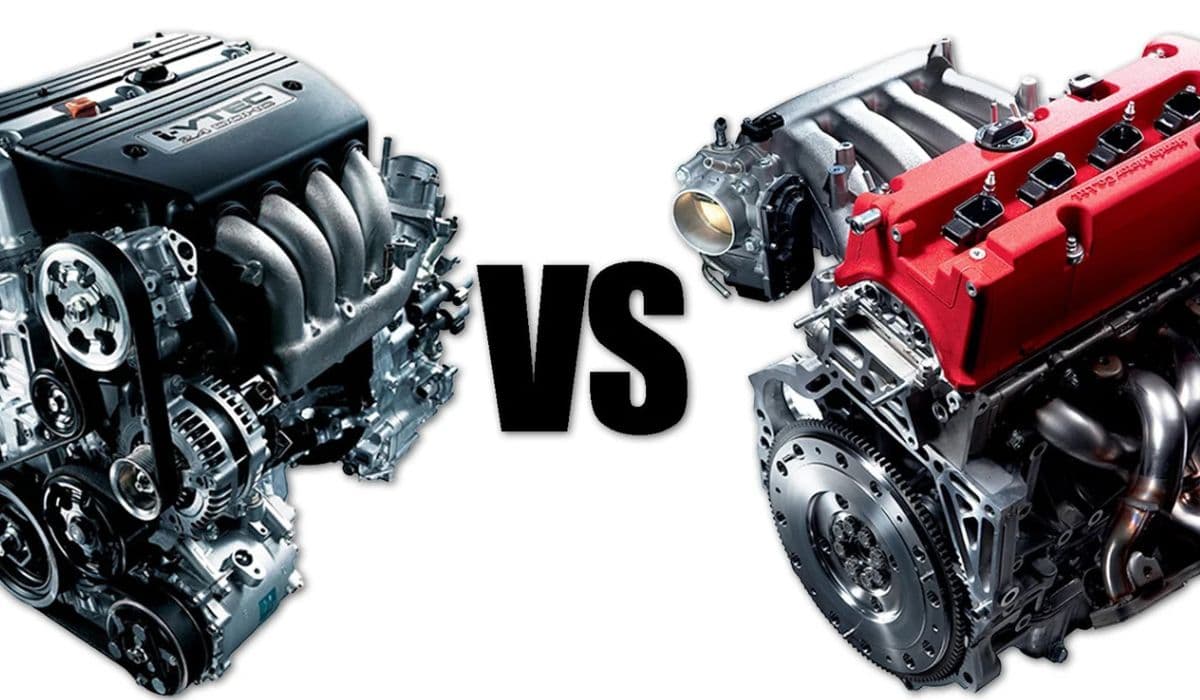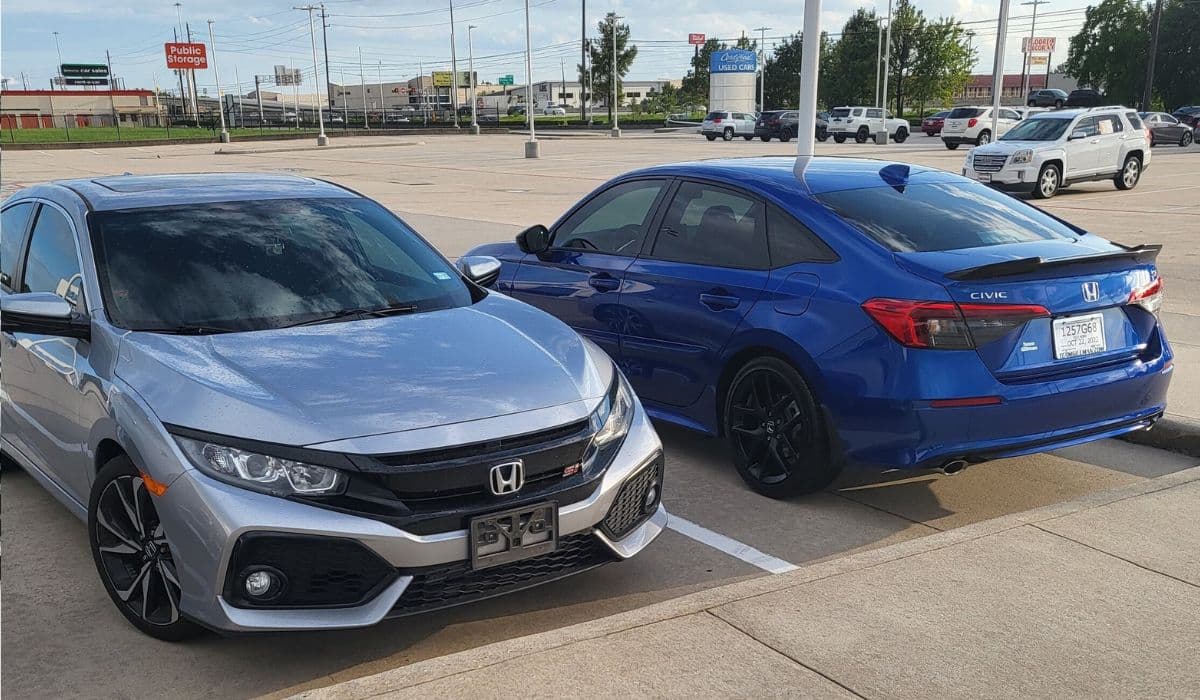
1.5T vs 2.0 NA Engine in Honda Civic and Accord: Long-Term Ownership Reality
Real-World Fuel Economy After 100,000+ Miles
The official EPA numbers paint one picture, but owners who have driven both engines for years tell a very different story.
The 2.0L naturally aspirated K20C2 (174 hp in Civic, 158 hp in older Accord) consistently returns 32–36 mpg in mixed driving when the engine and CVT are still in good health. After 120,000–150,000 miles many owners report a drop to 29–31 mpg as carbon buildup on intake valves increases and the variable-ratio oil pump begins to lose efficiency.
The 1.5L turbo L15B7/L15BE (174–180 hp in Civic, 192 hp in Accord) starts stronger — often 38–42 mpg when new, especially on 10th-generation Civic and 2018–2022 Accord. However, after 80,000–120,000 miles the picture changes dramatically in colder climates or with short-trip driving. Oil dilution from direct injection and turbo blow-by causes fuel to mix with engine oil, lowering viscosity drops, and real-world consumption frequently falls to 28–33 mpg. Numerous owners on CivicX, DriveAccord and Reddit report 15–20% worse highway mileage once the engine passes 100k miles if the oil was not changed every 4,000–5,000 miles instead of Honda’s 7,500–10,000-mile “Maintenance Minder”.
Engine Longevity and Known Failure Points
The 2.0 NA has proven almost bulletproof. The only recurring issues are minor: VTC actuator rattle on cold starts (fixed under extended warranty on 2016–2019 models), occasional oil pan leaks, and carbon buildup on intake valves that starts affecting idle quality around 140,000–180,000 miles. Bottom-end bearing failures are extremely rare, and many taxi fleets in Asia have pushed these engines beyond 400,000 miles with basic maintenance.
The 1.5T story is more complex. While Honda significantly improved the design after 2020 (new piston rings, revised PCV, better head gasket, updated ECU mapping), pre-2020 cars still suffer from:
Severe oil dilution (some owners measured 15–25% fuel in oil after just 3,000 miles in winter)
Turbo oil feed line coking leading to turbo failure between 90k–140k miles
Carbon buildup on intake valves even faster than the 2.0 because of higher boost and direct injection
Head gasket micro-leaks on 2018–2019 Accord 1.5T (TSB 20-100)
Post-2020 1.5T engines are considerably better, but turbocharger replacement at 120,000–160,000 miles is still considered “normal maintenance” by many dealers, costing $2,200–$3,500.
Driving Feel and Power Delivery Over Time
Fresh from the factory, the 1.5T feels noticeably quicker than the 2.0 NA in both Civic and Accord — especially in the 40–80 mph range. The low-end torque (192–200 lb-ft vs 138–143 lb-ft) makes highway merging effortless.
After 80,000+ miles the gap narrows. Turbo lag becomes more pronounced as carbon builds up on the small turbine wheel, and many owners report a “flat spot” just off idle. The 2.0 NA, while never fast, remains perfectly linear and predictable even at 200,000 miles. Throttle response actually feels sharper in high-mileage examples because there is no turbo to spool and no CVT “rubber-band” effect to mask lag.
Maintenance Costs 100,000–200,000 Miles
2.0 NA typical expenses:
Spark plugs every 100k — $120
Valve adjustment every 100k–120k — $300–$450
Transmission fluid every 40k–60k — $120 each time
Intake valve walnut blasting every 120k–150k — $500–$800
1.5T adds:
Turbo oil feed & return lines cleaning/replacement — $600–$1,200 (often needed around 120k)
Complete turbo replacement (very common 2018–2020) — $2,200–$3,500
More frequent oil changes (many owners do 4k–5k intervals) — +$400–$600 per 100k miles
Coolant leaks from plastic turbo coolant return pipe (2018–2021) — $400–$800
Real-world data from CarComplaints, Honda service advisors and long-term owner threads shows the 1.5T costs roughly $2,500–$4,000 more to maintain from 100k to 200k miles than the 2.0 NA.
Resale Value and Insurance Reality
Five-year-old Civic/Accord 2.0 models hold value slightly better in the used market because buyers specifically seek “non-turbo” examples. The price difference is usually $1,000–$2,000 in favor of the 2.0 when mileage is similar.
Insurance companies in the US and Canada now charge 8–15% higher premiums for 1.5T models because of higher repair costs after turbo and dilution-related engine claims.
Cold-Weather Behavior and Heater Performance
In sub-zero temperatures the 1.5T takes significantly longer to produce cabin heat because coolant flow is restricted to warm the small engine block faster — but the turbo housing steals heat. Many owners in Canada and northern US states report 15–20 minutes before hot air appears, compared to 5–8 minutes in the 2.0 NA cars.
Tuning and Modification Longevity
The 2.0 NA is almost untuneable without major internal work, but stock engines routinely survive 300,000+ miles.
The 1.5T responds extremely well to Stage 1 tunes (+70–90 hp), but long-term data from tuned examples shows rod bearing failures as early as 60,000 miles and turbo failures before 100k when pushed hard. Even mild KTuner or Hondata reflashes dramatically shorten engine life if oil is not changed every 3,000 miles.
Owner Satisfaction After 5–8 Years
Long-term forums show a clear pattern:
2.0 NA owners: 90–95% would buy again, main complaint is “boring”
1.5T owners (2018–2020): only ~60% would buy again, citing oil dilution and turbo worries
1.5T owners (2021+ revised): ~85% satisfaction, approaching 2.0 NA levels
Which One Actually Lasts Longer?
If the goal is 250,000–300,000+ miles with minimal major repairs, the 2.0 naturally aspirated engine remains the undisputed champion in both Civic and Accord platforms. The modernized 2021+ 1.5T closed most of the reliability gap, but the naturally aspirated K20 is still the engine that taxi drivers, Uber fleets and high-mileage enthusiasts choose when they plan to keep the car for 15+ years.