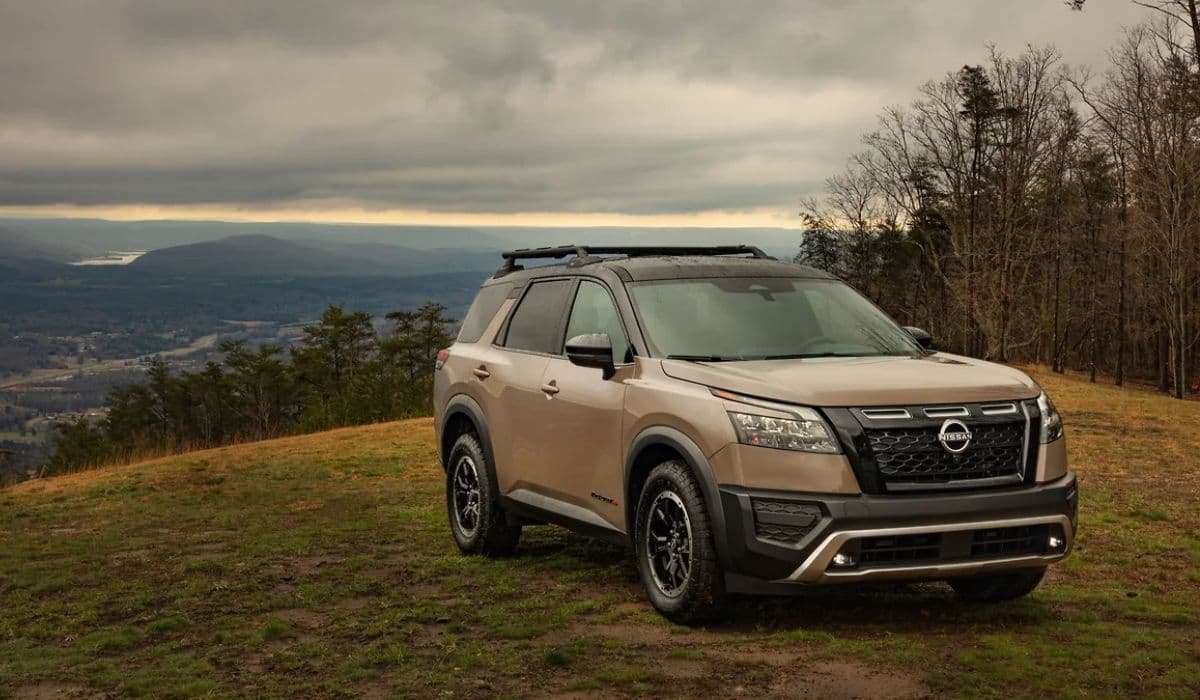
CVT transmission Nissan Rogue hesitation and slipping complaints
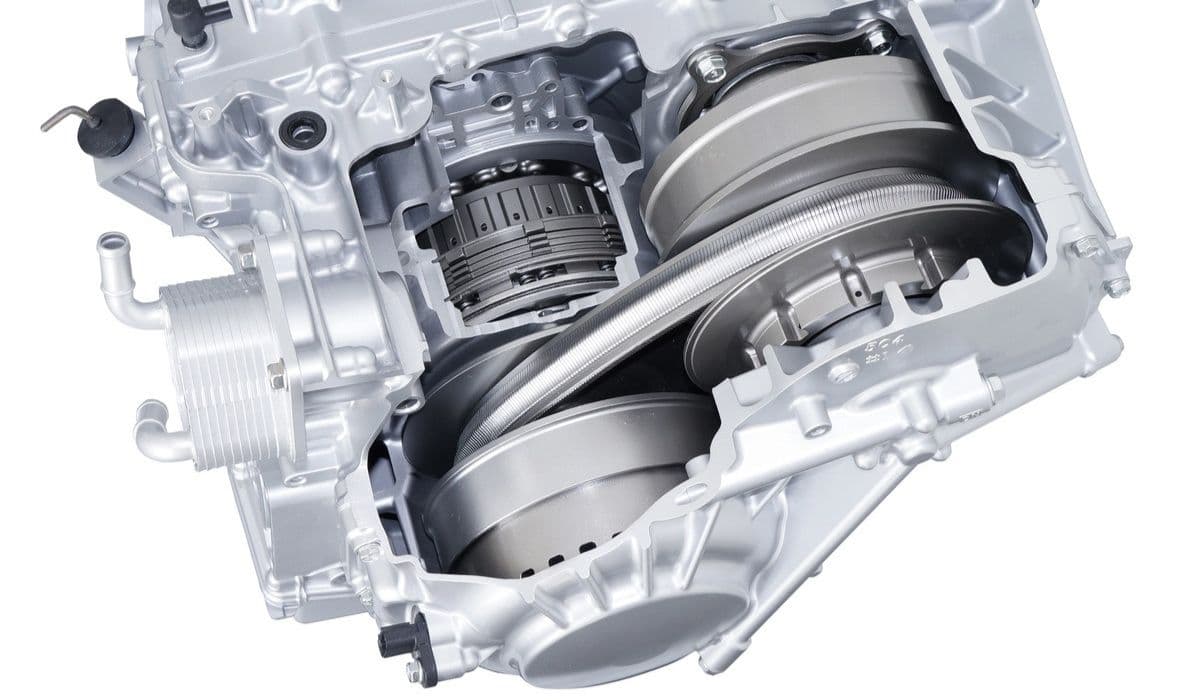
The Nissan Rogue remains one of the most popular compact SUVs on the market, praised for its comfortable ride, practical interior, and impressive fuel economy. Much of that efficiency comes from the Continuously Variable Transmission (CVT), a design that eliminates traditional gear shifts for smoother power delivery. Yet for many drivers, this same CVT becomes the source of significant frustration, particularly when hesitation and slipping appear during everyday driving.
These complaints have persisted across multiple generations of the Rogue, turning what should be seamless acceleration into an unpredictable and sometimes concerning experience. Understanding the nature of these issues, their telltale signs, underlying causes, and realistic management strategies can help owners make informed decisions about their vehicles.
How the CVT in the Nissan Rogue is Supposed to Work
Unlike conventional automatic transmissions with fixed gears, a CVT uses a system of pulleys and a metal belt (or chain) to provide an infinite range of ratios. This allows the engine to stay in its optimal RPM range longer, delivering linear power and better efficiency.
In theory, acceleration feels exceptionally smooth — no noticeable upshifts or downshifts, just continuous progression. In practice, however, many Rogue owners discover that real-world driving reveals limitations in this design, especially under certain conditions.
The Most Common Symptoms Owners Report
Hesitation and slipping rarely appear overnight. They usually begin as subtle annoyances before progressing into more pronounced problems. Drivers frequently describe the following experiences:
Delayed response when pressing the accelerator — the engine revs rise, but the vehicle takes noticeably longer to build speed, especially from a complete stop or during highway merging
Slipping sensation — engine RPMs climb rapidly without a matching increase in vehicle speed, similar to a conventional transmission "slipping" out of gear
Judder or shuddering — a vibration or shaking feeling through the vehicle, most noticeable during light to moderate acceleration, often between 20–45 mph
Jerking or surging — abrupt changes in power delivery, making the drive feel uneven or unpredictable
High-pitched whining or droning noise — particularly under load or during acceleration, sometimes accompanied by a burning odor in severe cases
Temporary loss of power — brief moments where the vehicle feels like it momentarily loses drive, especially during incline starts or quick throttle inputs
These symptoms tend to worsen with heat — after extended highway driving, stop-and-go traffic, or warm weather — and may temporarily improve after the vehicle cools down.
Primary Causes Behind Hesitation and Slipping
Several interconnected factors contribute to these drivability complaints in the Nissan Rogue CVT:
Degraded or contaminated transmission fluid — Over time, the specialized CVT fluid breaks down, loses its lubricating properties, and accumulates debris, reducing hydraulic pressure needed for proper belt clamping
Insufficient cooling capacity — The CVT generates significant heat, especially under load; inadequate dissipation leads to thermal breakdown of fluid and components
Belt and pulley wear — The steel belt or chain experiences stretching and surface glazing, reducing its ability to transfer torque efficiently and causing slippage
Hydraulic pressure irregularities — Worn internal seals, valves, or the torque converter limit the system's ability to maintain consistent clamping force
Software calibration challenges — The transmission control module sometimes struggles to predict driver demands quickly enough, resulting in delayed ratio adjustments and hesitation
Overheating cycles — Repeated exposure to high temperatures accelerates all other wear mechanisms, creating a vicious cycle of deterioration
Early detection of any of these issues can dramatically influence outcomes, as minor fluid-related problems respond far better than advanced mechanical wear.
Why These Problems Feel So Frustrating to Drivers
The intermittent nature of CVT hesitation and slipping makes diagnosis tricky. One day the Rogue drives perfectly; the next, merging onto a busy highway feels alarming. Many owners describe a growing sense of unpredictability that erodes confidence in the vehicle.
The contrast between expected smoothness and actual performance amplifies dissatisfaction. What begins as mild annoyance often evolves into safety concerns — hesitation during left turns, merging, or passing situations creates real risk. Combined with the high cost of major CVT repairs, these experiences have generated vocal communities of frustrated owners sharing stories and troubleshooting tips.
Realistic Ways to Address and Potentially Reduce These Issues
While no single solution eliminates all risk, several approaches have proven helpful for many Rogue owners:
Strict fluid maintenance schedule — Regular inspection and replacement using the correct specification fluid (typically NS-3) can significantly extend component life and reduce early symptoms
Enhanced cooling modifications — Adding auxiliary transmission coolers or factory-approved cooling upgrades improves heat management, particularly beneficial in hot climates or heavy-traffic environments
Software recalibration — Updated transmission control programming often improves shift logic and reduces hesitation in many cases
Gentle driving habits — Avoiding abrupt throttle inputs, especially when cold, minimizes stress on the belt and pulley system
Early professional diagnosis — Scanning for specific CVT-related codes (such as judder detection or slip ratios) provides valuable data before symptoms become severe
Proactive monitoring — Paying attention to transmission temperature (when available) and fluid condition helps catch problems during manageable stages
Many owners who follow diligent maintenance routines report substantially fewer issues and longer service life from their CVT.
What the Future Holds for Rogue CVT Reliability
Nissan has made iterative improvements to its CVT design over time, with newer generations incorporating stronger belts, better cooling, and refined software. While early complaints remain more prevalent in older models, the fundamental characteristics of CVT operation continue to generate mixed experiences among drivers.
For current and prospective Rogue owners, awareness remains the most powerful tool. Recognizing early warning signs, respecting maintenance requirements, and understanding the unique behavior of this transmission type can transform potential frustration into manageable ownership.
More from Nissan
Nissan Sentra CVT jerkiness and premature failure reports
16.01.2026 09:33
Nissan Sentra budget-friendly compact with solid fuel economy
15.01.2026 17:31
Interior quality and outdated tech complaints Nissan Frontier
15.01.2026 15:26
Nissan Frontier reliable V6 engine for truck duties
15.01.2026 13:17
Nissan Frontier vibration at idle and engine roughness
15.01.2026 09:15