Fuel efficiency and smooth highway driving Nissan Altima
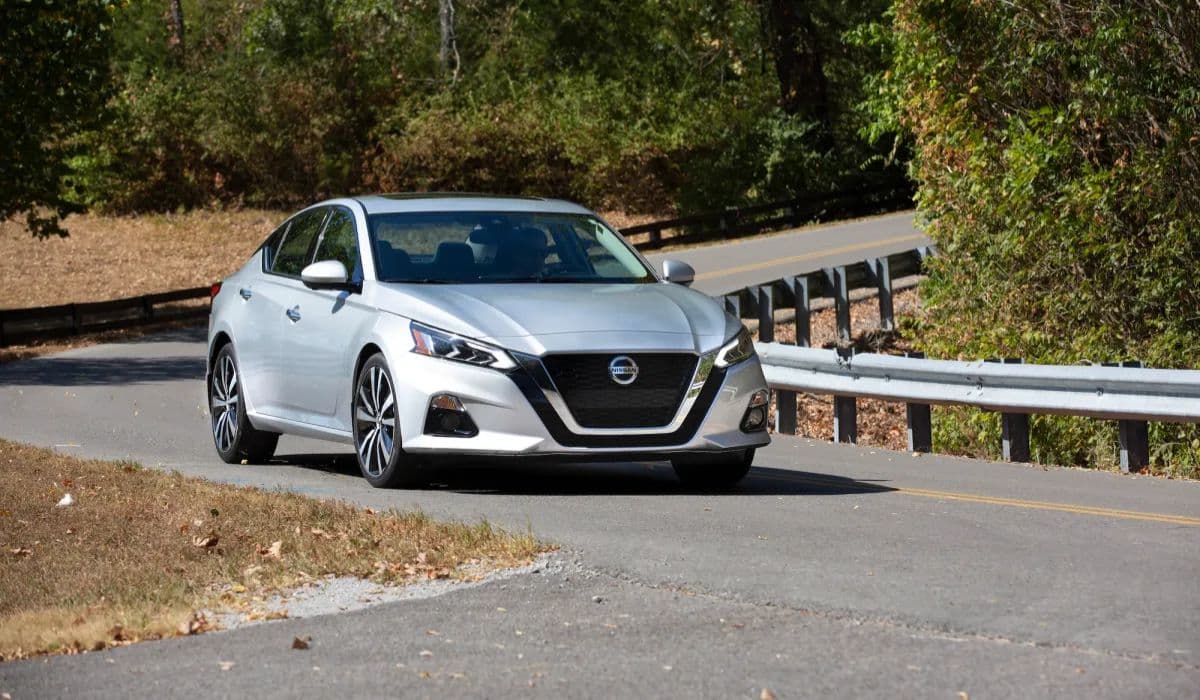
The Nissan Altima has long been recognized as a practical midsize sedan that balances comfort, reliability, and respectable fuel economy. When it comes to achieving the best possible miles per gallon on long highway stretches, smooth and deliberate driving technique becomes just as important as the car's engineering. This guide explores how to maximize fuel efficiency while maintaining relaxed, effortless highway cruising in the Altima.
Understanding the Altima's Highway Efficiency Advantages
Several design elements work together to help the Altima perform well at cruising speeds:
Continuously Variable Transmission (CVT) that keeps the engine in the most efficient RPM range during steady-state driving
Relatively low drag coefficient for a family sedan
Lightweight body structure compared to many competitors in the segment
Efficient multi-point fuel injection system
Aerodynamic underbody panels that reduce turbulence
These factors create a solid foundation, but real-world results depend heavily on how the driver interacts with the vehicle.
The Physics of Efficient Highway Cruising
At highway speeds (typically 65–80 mph), aerodynamic drag becomes the dominant force resisting motion — roughly 60–75% of total resistance. This quadratic relationship with speed explains why small increases above 70 mph cause disproportionately larger fuel consumption.
Key relationships to understand:
Doubling speed requires approximately four times more power to overcome air resistance
Every 5 mph above 65 mph typically costs 5–8% more fuel
Maintaining steady speed uses significantly less energy than repeated acceleration
The Altima rewards drivers who minimize unnecessary power demands.
Optimal Speed Window for Best Fuel Economy
Most Altima models achieve their absolute peak highway efficiency between 61–68 mph, depending on wind conditions and road incline. Within this relatively narrow band, the CVT can hold the engine at its most efficient load and RPM combination.
Practical observations from real-world testing:
62–64 mph often yields the highest MPG on flat highways with light wind
67–68 mph remains very efficient while better matching traffic flow
72+ mph usually shows a noticeable drop in economy
78–82 mph commonly reduces efficiency by 15–25% compared to 65 mph
The sweet spot is usually a compromise between maximum efficiency and reasonable travel time.
Mastering Throttle Control for Smoothness and Savings
The single most important skill for highway fuel economy is ultra-gentle throttle application.
Effective techniques include:
Use only 15–25% throttle pedal travel for most speed maintenance
Anticipate hills and gradually reduce pressure well before the incline begins
Never "floor" the accelerator unless safety absolutely requires it
Make throttle changes progressively over 3–5 seconds rather than abruptly
Think of the accelerator as a volume knob rather than an on/off switch
Many efficient drivers develop an almost meditative awareness of how lightly they can touch the pedal while still maintaining desired speed.
Utilizing Cruise Control Wisely
Modern cruise control systems in the Altima can be excellent efficiency tools when used thoughtfully:
Set speed 1–3 mph below your normal target when driving solo — the difference is barely noticeable but saves measurable fuel
Use the "resume" function instead of resetting a higher speed
Turn cruise control off on long downhill sections — let gravity do the work
Avoid using cruise control in rolling hills with frequent grade changes — manual modulation is often more efficient
The newest adaptive cruise systems with stop-and-go capability can be particularly efficient in light traffic.
Maintaining Momentum: The Art of Looking Far Ahead
The most fuel-efficient drivers constantly scan 15–25 seconds ahead rather than focusing on the car immediately in front.
This extended visual horizon allows you to:
Spot upcoming slowdowns very early
Gradually lift off the throttle instead of braking
Preserve momentum through gentle coasting
Avoid unnecessary speed loss that must later be regained
Time lane changes to maintain flow rather than force gaps
Many experienced hypermilers report that "looking far" is responsible for more savings than any single other technique.
Tire Pressure and Rolling Resistance Impact
Underinflated tires remain one of the largest avoidable sources of fuel waste:
Every 10 psi below recommended pressure typically costs 1–2% in fuel economy
Cold tires lose about 1 psi per 10°F temperature drop
The difference between 29 psi and 38 psi can easily be 3–5 MPG on highway driving
Overinflation beyond maximum sidewall rating provides diminishing returns and compromises safety
Check pressure monthly and always when tires are cold.
Aerodynamic Considerations You Can Control
While major body modifications are impractical, several simple adjustments help:
Keep windows fully closed above 45 mph (open windows create significant turbulence)
Remove roof racks/crossbars when not in use (can cost 10–20% in efficiency)
Avoid oversized cargo boxes unless absolutely necessary
Keep the trunk as empty as possible — every 100 pounds reduces highway MPG by about 1–2%
Even small changes accumulate over hundreds of highway miles.
Engine Warm-Up and Long-Distance Efficiency
The Altima reaches optimal operating temperature relatively quickly, but certain habits still matter on long trips:
Drive gently for the first 8–12 minutes
Avoid extended idling while waiting for full warmth
Once at operating temperature, higher gears and lower RPMs become more efficient
Sustained highway driving allows the engine to spend most time in its most efficient temperature range
After approximately 15–20 minutes of steady highway driving, efficiency typically stabilizes at its highest level.
The Mental Approach of Efficient Highway Drivers
The most consistent high-MPG drivers share a distinct mindset:
Patience becomes the most valuable virtue
Arriving 5–10 minutes later is acceptable for substantial fuel savings
Competition shifts from "fastest" to "most graceful"
Satisfaction comes from watching the trip computer show unexpectedly high numbers
The journey itself becomes the focus rather than just the destination
This psychological shift often produces the largest single improvement in real-world fuel economy.
Mastering smooth, efficient highway driving in the Nissan Altima is equal parts science, technique, and mindset. When these elements combine, many owners regularly achieve numbers that significantly exceed official estimates — all while enjoying relaxed, low-stress travel.
More from Nissan
Nissan Sentra CVT jerkiness and premature failure reports
16.01.2026 09:33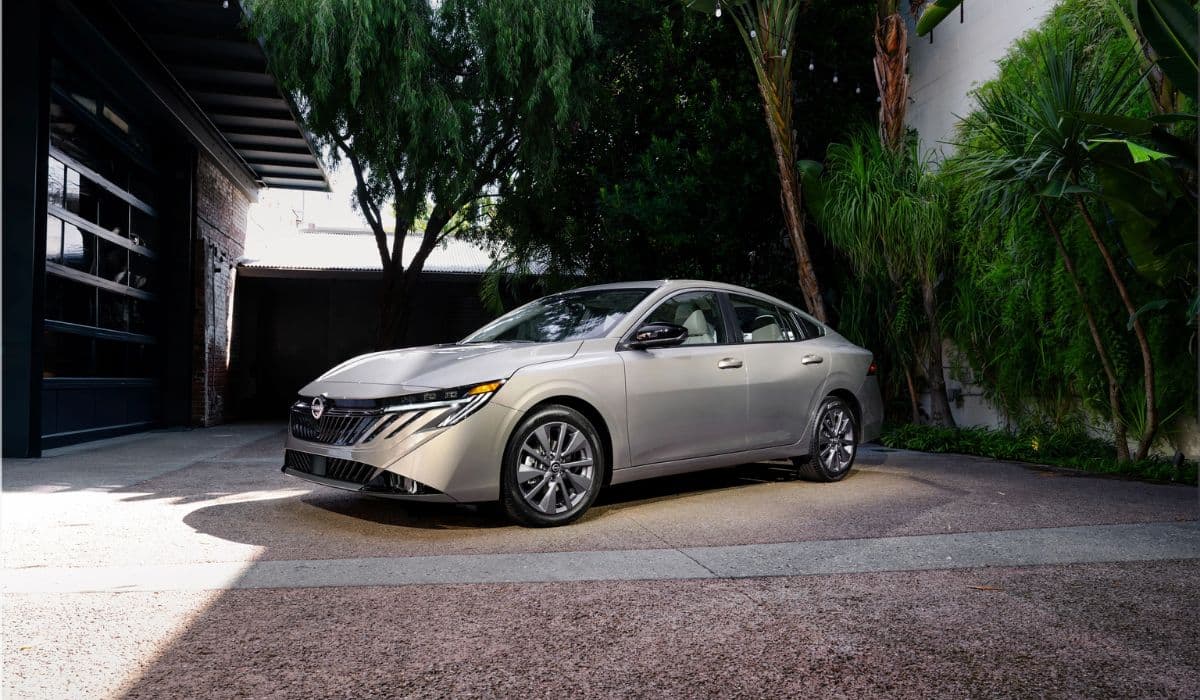
Nissan Sentra budget-friendly compact with solid fuel economy
15.01.2026 17:31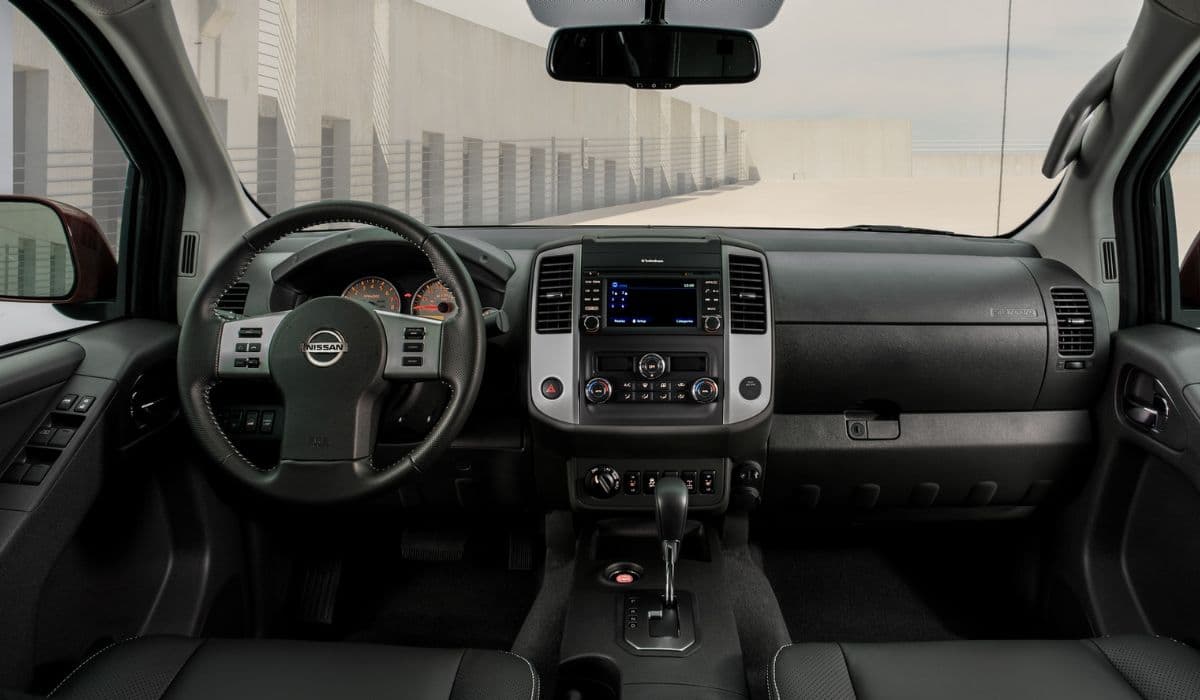
Interior quality and outdated tech complaints Nissan Frontier
15.01.2026 15:26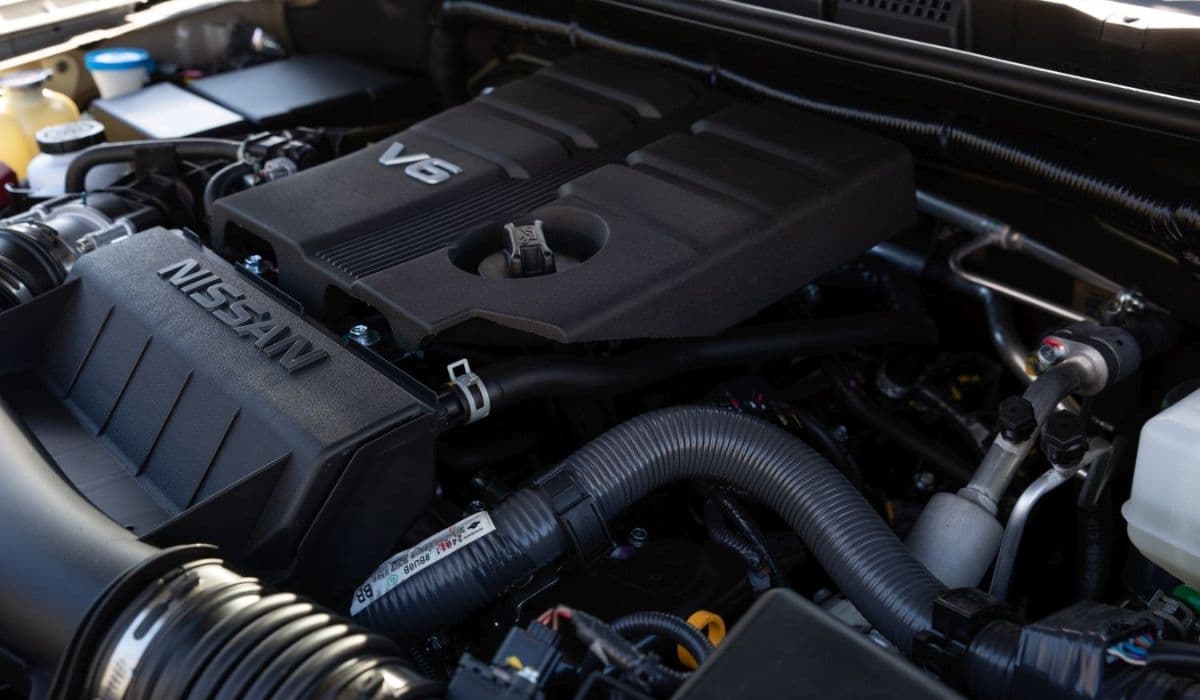
Nissan Frontier reliable V6 engine for truck duties
15.01.2026 13:17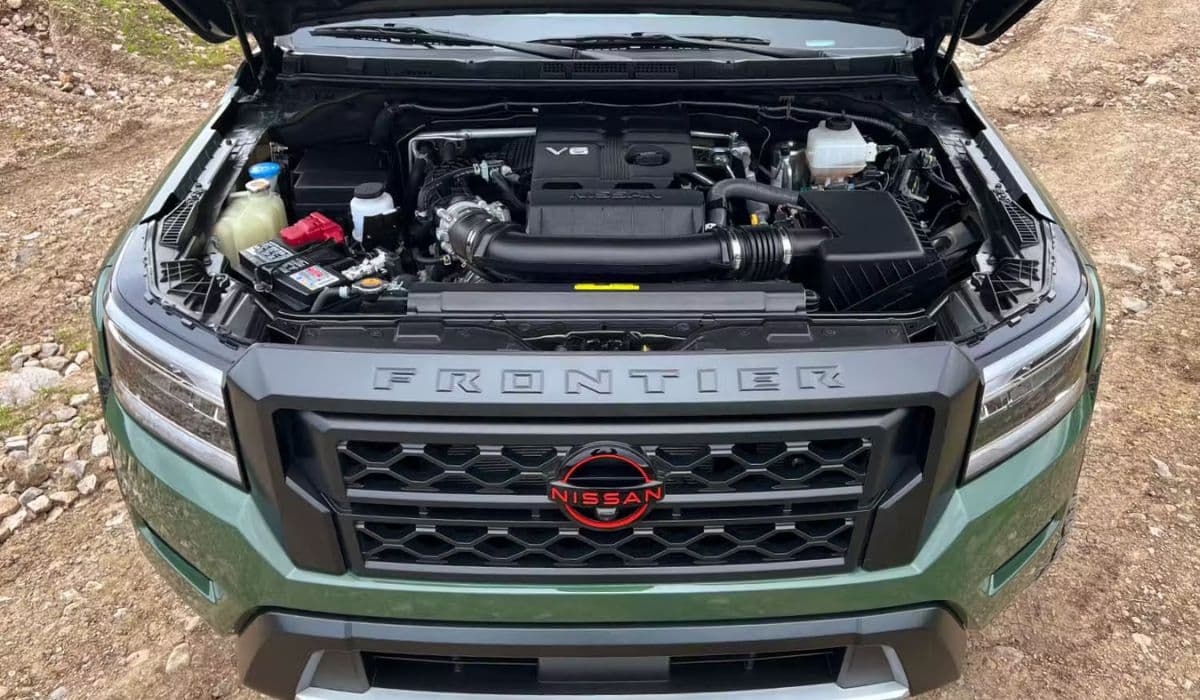
Nissan Frontier vibration at idle and engine roughness
15.01.2026 09:15