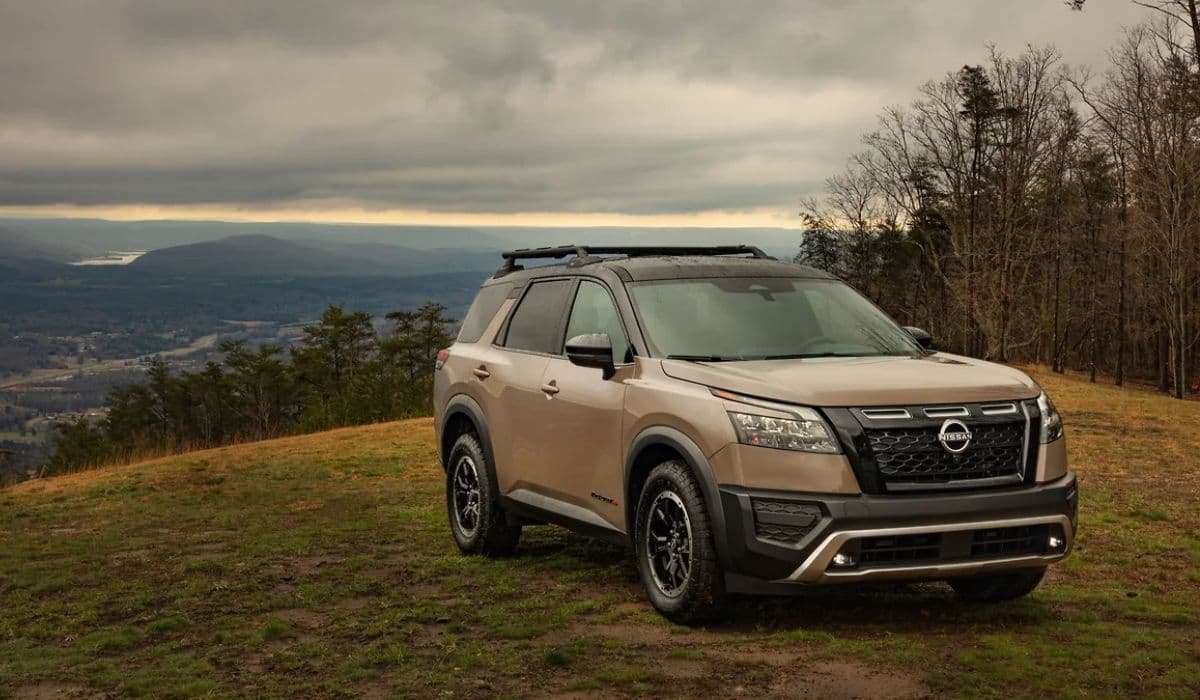
Interior Nissan Rogue build quality and cheap plastics feel
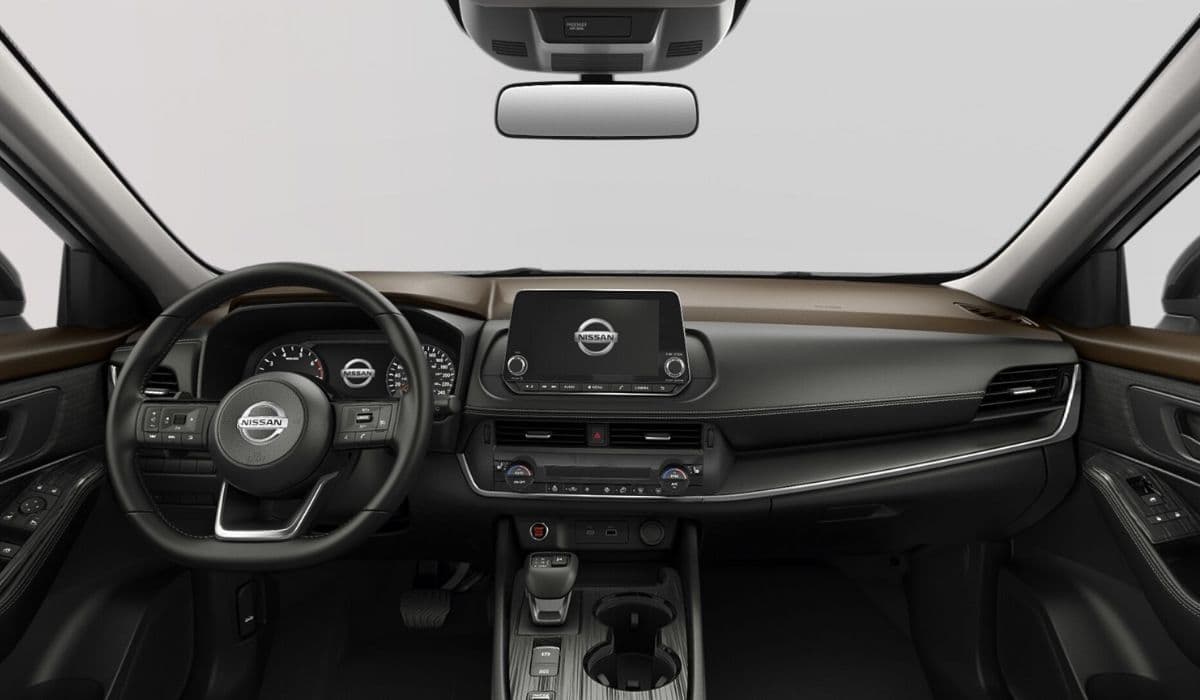
The Nissan Rogue has long been one of the most popular compact SUVs on the market, thanks to its spacious cabin, smooth ride, and family-friendly features. However, when owners and reviewers sit inside and start touching surfaces, a recurring theme quickly emerges: the interior build quality often feels compromised by extensive use of hard, inexpensive plastics. This contrast between the modern design and the tactile experience creates one of the most debated aspects of the Rogue ownership experience.
Why the Plastics Discussion Keeps Coming Back
The moment you open the door and rest your hand on the door panel, dashboard, or center console, the material choice becomes immediately noticeable. Many drivers describe the sensation as "hard" and "hollow," especially compared to competitors that invest more in soft-touch surfaces across larger areas.
Common observations include:
Hard, shiny black plastics on the lower dash and door bottoms that feel thin and echo when tapped
Door armrests that offer a small patch of soft material, while surrounding areas revert to rigid plastic
Center console sides and lower trim pieces that transmit vibrations and produce rattles on rough roads
Switchgear and stalks (like the wiper control) that sometimes show visible mold lines or sharp edges from production
These elements create a perception that the interior prioritizes visual appeal over long-term tactile satisfaction.
How the Materials Mix Actually Works in the Cabin
Nissan uses a deliberate tiered approach to interior materials, which is common in the compact SUV segment but executed more noticeably in the Rogue.
Upper areas — the top of the dash, parts of the door panels near the windows, and higher trim pieces — frequently receive soft-touch coating or even stitched accents in higher trims. This creates a premium first impression when you first glance around the cabin.
Lower zones — everything below elbow height — switch to harder, more durable (but less pleasant) plastics. This cost-saving strategy is understandable from a manufacturing perspective, but it leads to the classic complaint: "It looks better than it feels."
The result is an interior that photographs beautifully and appears modern with its floating infotainment screen, clean lines, and available contrasting colors. Yet the moment you interact with multiple surfaces, the hierarchy of materials becomes obvious.
Real-World Consequences of the Plastics Choice
Beyond the initial touch, the choice of hard plastics has practical implications that owners discover over time:
Noise issues — On poor road surfaces, loose trim pieces, door panels, and dashboard elements can develop buzzes, creaks, and rattles. Many drivers report that these sounds become more prominent after 20,000–30,000 miles.
Wear visibility — Glossy black plastic trim scratches easily and attracts fingerprints. Areas around the infotainment controls and cupholders show wear relatively quickly.
Long-term durability perception — While the plastics themselves are robust enough not to crack easily, the overall impression of quality declines faster than in vehicles with more consistent soft-touch coverage.
Owners who live in regions with rough roads or potholes tend to notice these characteristics sooner and more intensely.
Comparison to the Compact SUV Competition
When you park a Rogue next to key rivals, the material differences become even clearer.
Vehicles from Honda, Toyota, and Mazda tend to apply soft-touch surfaces farther down the door panels and dash, creating a more uniform "quality" feel. Some Korean competitors go even further, offering padded surfaces in unexpected places and higher-quality graining on hard plastics.
The Rogue counters with advantages in other areas: exceptional interior volume, clever storage solutions, and a generally airy atmosphere thanks to large windows and a low beltline. Yet when the conversation turns specifically to "how does it feel to touch everything?", many shoppers notice the step down in material richness.
What Owners Can Do to Improve the Experience
If you already own a Rogue or plan to get one, several practical steps can help mitigate the plastics feel:
Apply high-quality interior protectants that add a subtle matte finish and reduce fingerprint attraction
Add aftermarket soft-touch wraps or dash covers for frequently touched areas
Use felt or rubber mats in door pockets and console bins to eliminate small-item rattles
Install additional foam padding behind loose trim pieces (a favorite DIY fix among owners)
Choose higher trims where available stitched surfaces and better graining make a tangible difference
These modifications won't transform the Rogue into a luxury vehicle, but they can noticeably improve daily satisfaction.
The Bigger Picture: Value vs. Premium Feel
The plastics discussion ultimately reflects a deeper question in the compact SUV market: where should manufacturers allocate their budget?
Nissan appears to prioritize spaciousness, technology, ride comfort, and fuel efficiency over class-leading interior tactility. For many buyers — especially those who value practicality and low running costs — this trade-off makes sense.
For others who spend long hours touching switches, resting elbows, and interacting with every surface, the hard plastics remain a persistent reminder that not every part of the interior received equal attention.
The Rogue delivers a compelling overall package, but its interior build quality — particularly the prominent use of inexpensive-feeling plastics — continues to be one of its most honest and frequently discussed characteristics.
More from Nissan

Nissan Sentra CVT jerkiness and premature failure reports
16.01.2026 09:33
Nissan Sentra budget-friendly compact with solid fuel economy
15.01.2026 17:31
Interior quality and outdated tech complaints Nissan Frontier
15.01.2026 15:26
Nissan Frontier reliable V6 engine for truck duties
15.01.2026 13:17
Nissan Frontier vibration at idle and engine roughness
15.01.2026 09:15