
Nissan Altima dashboard peeling and interior wear over time
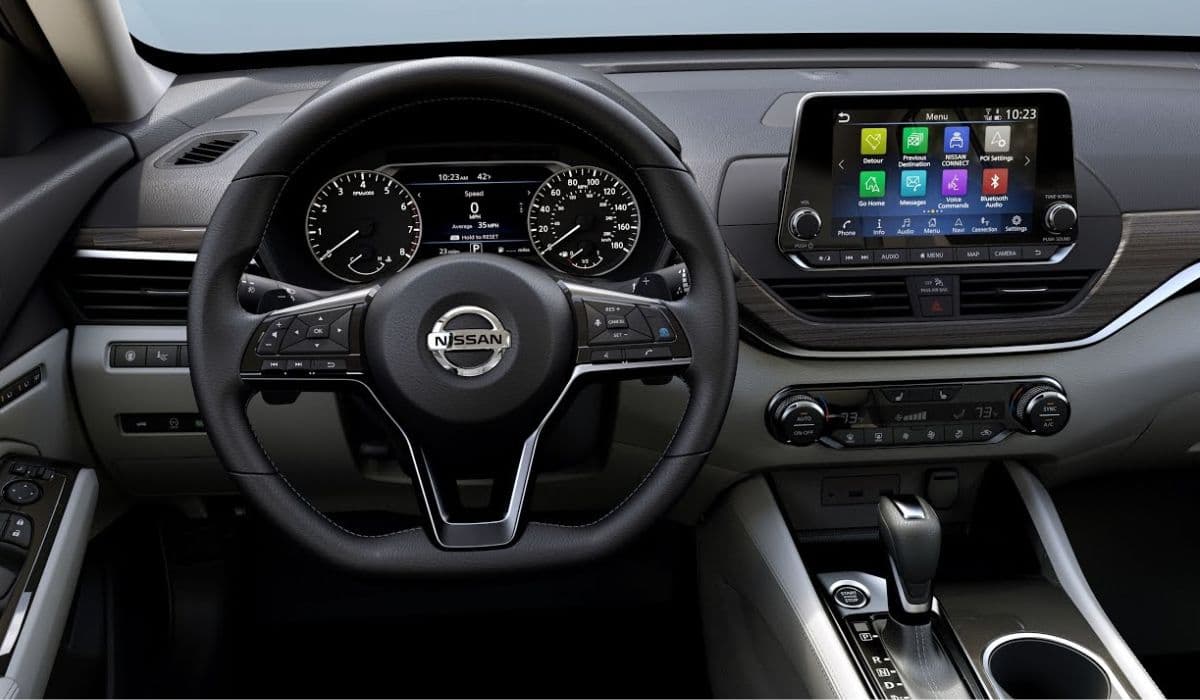
The Nissan Altima has long been appreciated for its blend of comfort, efficiency, and everyday practicality. However, as these sedans accumulate miles and years, many owners notice an unwelcome transformation in the cabin: the dashboard begins to peel, crack, become sticky, or even appear to "melt." This issue, along with general interior wear, affects the driving experience more than most people expect. What starts as minor cosmetic annoyance can evolve into distracting glare, unpleasant texture, and a sense that the once-modern interior is aging prematurely.
Why the Dashboard Deteriorates in Altima Models
The primary culprit behind dashboard peeling and degradation is UV radiation combined with heat. Prolonged exposure to direct sunlight causes the soft-touch vinyl or urethane coating on the dashboard to break down chemically. Over time, the material loses its flexibility and begins to:
Develop a tacky, sticky residue
Become shiny and reflective
Crack or delaminate in thin layers
Create uneven, bubbling surfaces
Hot climates accelerate this process dramatically — interiors parked outdoors in sunny regions show symptoms years earlier than those garaged or driven in cooler areas. The material itself plays a role too: certain production batches used coatings that proved less resistant to thermal cycling and UV breakdown compared to harder plastics found in other brands.
Interior trim pieces, door panels, and steering wheel surfaces follow similar patterns but usually degrade more slowly since they receive less direct sun exposure.
Early Warning Signs Every Owner Should Watch For
Recognizing the problem early can help slow progression and preserve the cabin's appearance. Look out for these progressive stages:
Initial tackiness — the surface feels slightly gummy to the touch, especially after a hot day
Glossy sheen — areas that were once matte start reflecting light unnaturally
Fine cracks — hairline fractures appear near vents, seams, or high-stress points
Visible peeling — thin layers lift away, sometimes in small flakes or larger sheets
Heavy glare — the shiny surface reflects sunlight directly into the driver's eyes, creating dangerous windshield reflections
Chemical odor — faint melting-plastic smell inside the cabin on warm days
These signs rarely appear overnight. Most owners report noticing subtle changes after 4–7 years of ownership, though aggressive sun exposure can halve that timeframe.
How Other Interior Components Age Alongside the Dashboard
The dashboard rarely suffers alone. Related wear patterns emerge across the cabin:
Steering wheel — leather or polyurethane wrapping cracks, peels, or becomes slick in high-contact areas (especially the 10 and 2 o'clock positions)
Door panels — soft-touch inserts develop shiny spots, cracks near armrests, and occasional discoloration from hand oils and cleaners
Center console — plastic buttons and trim rings show scuffs, while surrounding vinyl may match the dashboard's tacky feel
Seat bolsters — fabric or leather develops shine and wear creases from repeated entry/exit
Headliner — sagging becomes noticeable near the windshield, often accompanied by faint discoloration
These combined effects create a cabin that feels less premium than when new, even when mechanical components remain solid.
Practical Strategies to Slow Down Interior Degradation
While complete reversal is difficult once damage begins, proactive habits make a measurable difference:
Use a quality windshield sunshade religiously — even on cloudy days, it blocks the majority of UV rays
Park in shade or garages whenever possible — reducing peak temperature swings helps preserve material integrity
Apply UV-protectant treatments — choose products specifically formulated for automotive vinyl (avoid heavy silicone-based dressings that can accelerate breakdown)
Clean gently and infrequently — use mild soap solutions (a few drops of dish soap in warm water) with a soft microfiber cloth; aggressive scrubbing worsens peeling
Avoid harsh chemicals — household cleaners, citrus-based products, and strong degreasers often dissolve the coating faster than dirt does
Control cabin temperature — slightly cracked windows and remote-start cooling in summer prevent extreme heat buildup
Owners who follow these practices consistently often delay serious symptoms by several years.
Realistic Solutions When Peeling and Wear Have Already Set In
Once the dashboard reaches the sticky, reflective stage, options become more limited but still viable:
Dashboard covers — custom-molded overlays hide damage, eliminate glare, and protect the underlying surface from further deterioration
Professional refinishing — specialized shops apply new vinyl wraps or coatings designed to mimic original texture (results vary by technician skill)
Vinyl wrapping — skilled installers can cover the dashboard with high-quality automotive-grade vinyl for a refreshed appearance
Material repair kits — some owners experiment with flexible fillers and sealants, though success is inconsistent and usually temporary
Many long-term Altima enthusiasts report that a well-installed dash cover provides the best balance of cost, appearance, and functionality.
Final Thoughts on Living with an Aging Altima Interior
The Nissan Altima remains a capable and enjoyable midsize sedan even as its interior shows the passage of time. Dashboard peeling and general cabin wear represent a common trade-off many owners accept in exchange for the car's other strengths. By understanding the causes, spotting early signs, and implementing protective measures, you can keep the interior looking and feeling respectable far longer than average.
With thoughtful care, your Altima cabin can age gracefully instead of dramatically — allowing you to focus on the drive rather than the dashboard.
More from Nissan
Nissan Sentra CVT jerkiness and premature failure reports
16.01.2026 09:33
Nissan Sentra budget-friendly compact with solid fuel economy
15.01.2026 17:31
Interior quality and outdated tech complaints Nissan Frontier
15.01.2026 15:26
Nissan Frontier reliable V6 engine for truck duties
15.01.2026 13:17
Nissan Frontier vibration at idle and engine roughness
15.01.2026 09:15