Nissan Altima VC-Turbo engine reliability issues and recalls
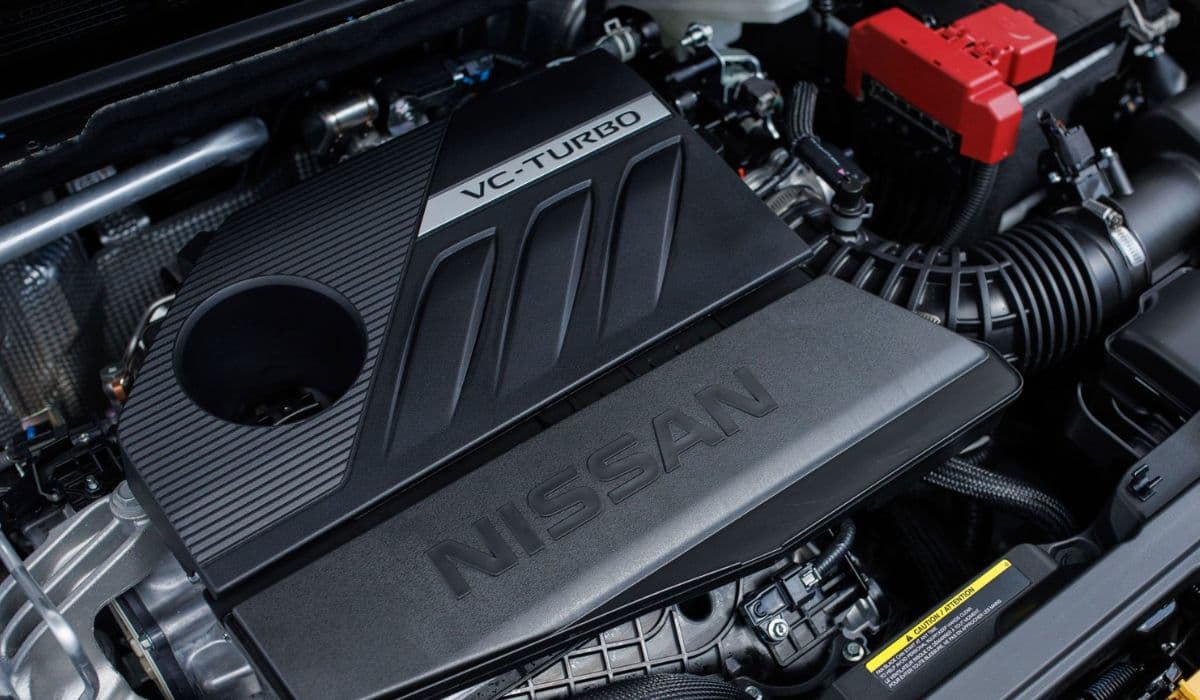
The Nissan Altima equipped with the VC-Turbo engine represents one of the most ambitious engineering efforts in modern midsize sedans. This innovative powerplant promised an ideal balance of strong performance and impressive fuel efficiency through its groundbreaking variable compression technology. Yet, despite initial excitement, many owners have encountered significant challenges that have put the engine's long-term dependability under scrutiny.
What Makes the VC-Turbo Engine Unique?
 Nissan's VC-Turbo (Variable Compression Turbo) stands alone as the world's first production engine capable of seamlessly adjusting its compression ratio while running. In the Altima, the 2.0-liter four-cylinder (internally known as KR20DDET) can shift from a low 8:1 ratio under heavy load for maximum power and turbo boost, to a high 14:1 ratio during light cruising for superior efficiency.
This adaptability relies on an intricate multi-link system that physically moves the pistons to alter their travel distance. The design incorporates specialized components like:
Multi-link arms (A-, C-, and L-links)
A complex control shaft
High-strength bearings throughout the bottom end
While revolutionary on paper, the added mechanical complexity introduces potential weak points absent in conventional engines.
Primary Reliability Challenges Reported by Owners
Owners of Altima models featuring the VC-Turbo have frequently described similar patterns of trouble. The most concerning issues include:
Unusual engine knocking or rattling noises, often indicating internal wear
Sudden loss of power or complete stalling while driving
Metal debris and shavings discovered during oil pan inspections
Catastrophic bearing failure leading to engine seizure
These symptoms typically stem from accelerated wear on critical bearings, particularly the main bearing and those in the variable compression linkage system. The sophisticated mechanism places extra stress on these components, and manufacturing variations in early production runs appear to have exacerbated the vulnerability.
Many drivers first notice problems through warning lights, rough idling, or a dramatic drop in performance. In severe cases, the engine fails entirely, sometimes with little prior warning, leaving the vehicle stranded.
The Massive Recall That Shook Owners
In mid-2025, Nissan announced one of its largest safety actions in recent memory, addressing potential engine failure risks in hundreds of thousands of vehicles equipped with VC-Turbo technology. The recall specifically targeted certain Altima models from the initial years of VC-Turbo production.
Key details of the action include:
Focus on defective main bearings and A-, C-, and L-link bearings
Potential for progressive damage leading to complete engine failure
Inspection protocol involving oil pan checks for metal debris
Remedies ranging from simple oil changes and ECU reprogramming (when no debris is found) to full engine replacement in affected cases
Although the recall encompasses multiple models, the Altima's inclusion highlighted how even Nissan's most advanced engine could face widespread issues tied to its innovative design. Nissan estimated that only a small percentage of vehicles would require major repairs, but the sheer scale underscored the seriousness of the bearing-related defect.
How the Recall Process Works for Affected Owners
When a vehicle enters the recall inspection, technicians follow a careful sequence:
Drain and examine the oil pan for metallic particles
If debris is absent, perform preventive maintenance like oil replacement and software updates
If contamination appears, proceed with more extensive repairs, potentially including engine replacement at no cost to the owner
This stepped approach aims to catch problems early and prevent catastrophic breakdowns. Owners are strongly encouraged to respond promptly to notification letters and schedule inspections, as driving with an unresolved defect risks sudden power loss.
Owner Experiences and Real-World Patterns
Across online forums, review sites, and complaint databases, Altima VC-Turbo owners describe recurring themes. Some report smooth operation for tens of thousands of miles before sudden symptoms emerge. Others face repeated service visits for knocking noises or power fluctuations.
A common thread involves the discovery of metal shavings during routine maintenance or after warning lights appear. These findings often lead to diagnosis of bearing wear or linkage damage — issues directly tied to the variable compression hardware.
While not every VC-Turbo experiences failure, the elevated complaint rate compared to conventional engines has fueled ongoing discussions about the technology's real-world viability.
Maintenance Strategies to Maximize Longevity
Although the VC-Turbo's complexity limits some traditional preventive measures, owners can take proactive steps:
Follow strict oil change intervals using the manufacturer-recommended synthetic oil
Monitor oil levels frequently, as internal wear can accelerate consumption
Pay immediate attention to any new engine noises or performance changes
Respond quickly to recall notices and service bulletins
Consider more frequent inspections of the oil system for early debris detection
These habits cannot eliminate design-inherent risks but may help identify emerging problems before they escalate.
Why the VC-Turbo Remains a Polarizing Choice
The Altima's VC-Turbo engine embodies a bold attempt to bridge performance and efficiency without compromise. Its ability to deliver responsive acceleration alongside competitive fuel economy earned early praise from engineers and reviewers alike. Yet the same complexity that enables this versatility has contributed to reliability questions that continue to challenge the model's reputation.
For potential buyers, the story of the VC-Turbo serves as a reminder that groundbreaking technology sometimes arrives with teething problems. For current owners, staying informed about service actions and maintaining diligent care remains the best defense against unexpected issues.
More from Nissan
Nissan Sentra CVT jerkiness and premature failure reports
16.01.2026 09:33
Nissan Sentra budget-friendly compact with solid fuel economy
15.01.2026 17:31
Interior quality and outdated tech complaints Nissan Frontier
15.01.2026 15:26
Nissan Frontier reliable V6 engine for truck duties
15.01.2026 13:17
Nissan Frontier vibration at idle and engine roughness
15.01.2026 09:15