Nissan Pathfinder ZF 9-speed transmission smoothness vs older CVT problems
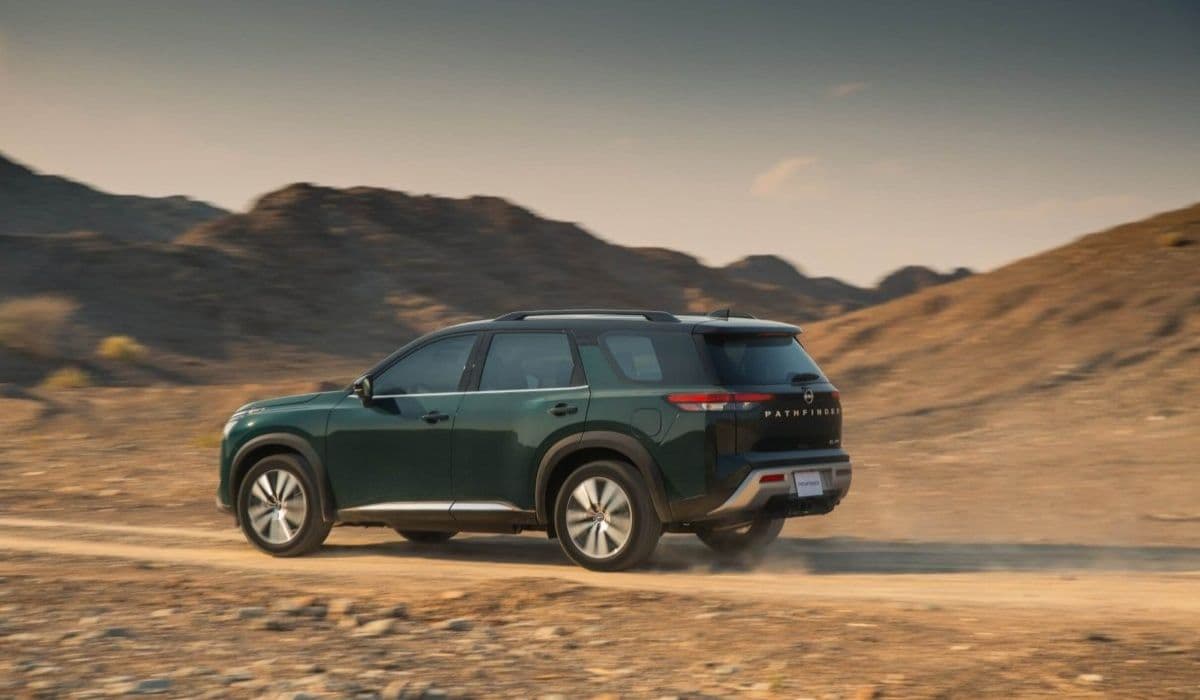
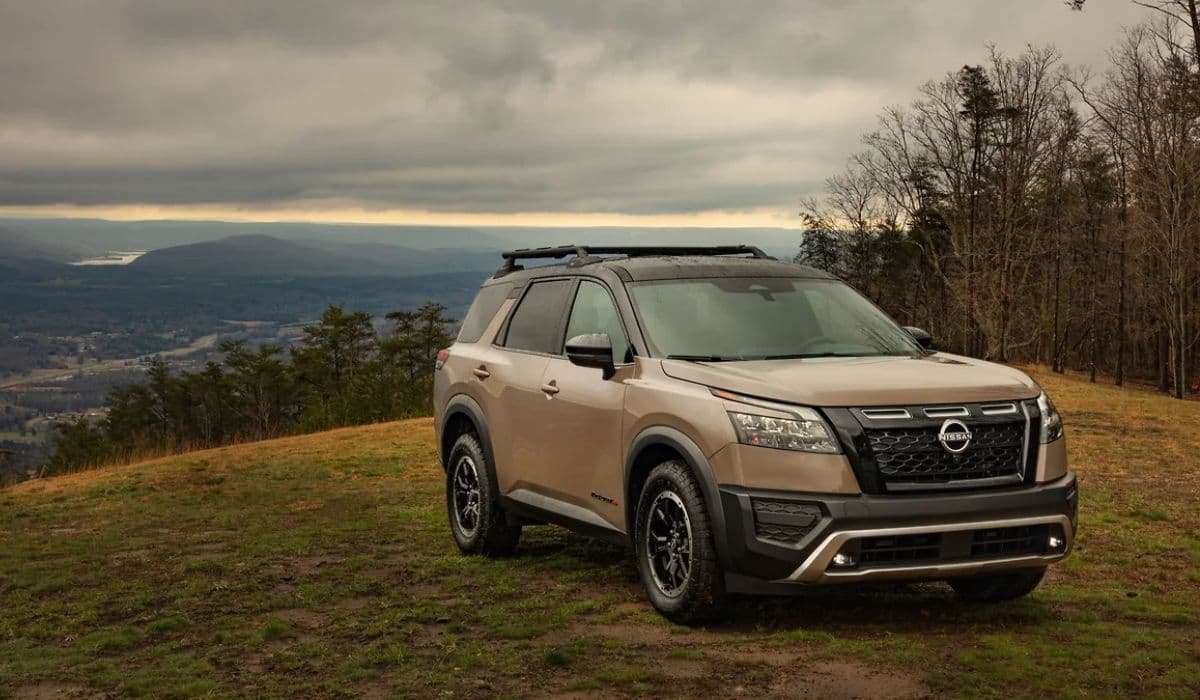
The Nissan Pathfinder has long been a popular choice for families seeking a versatile three-row SUV. One of the most significant changes in recent generations involves the transmission — moving away from the widely criticized continuously variable transmission (CVT) to a sophisticated ZF-sourced 9-speed automatic. This shift has dramatically improved the driving experience, particularly in terms of smoothness, responsiveness, and overall refinement.
The Troubled Legacy of the Nissan CVT in Pathfinder Models
For several years, the Pathfinder relied on Nissan's Xtronic CVT, a design intended to deliver seamless acceleration and improved fuel efficiency. In theory, a CVT eliminates traditional gear shifts by using a belt-and-pulley system to provide infinite gear ratios. In practice, however, many Pathfinder owners encountered persistent issues that eroded confidence in the powertrain.
Common complaints included:
Shuddering and vibrations during light acceleration or at low speeds, often described as a "juddering" sensation.
Hesitation and delayed response when pressing the accelerator, creating an unsettling lag.
Overheating under load, especially during towing or prolonged highway driving.
Whining or humming noises from the transmission area, signaling internal wear.
Sudden loss of power or complete transmission failure in severe cases.
These problems frequently appeared between 50,000 and 100,000 miles, leading to costly repairs and numerous owner frustration stories. The issues stemmed from factors such as belt/pulley wear, inadequate cooling, and fluid contamination, resulting in widespread dissatisfaction and even legal actions.
Introducing the ZF 9-Speed Automatic: A Fundamental Change
 The transition to the ZF 9HP-series 9-speed automatic marked a clear departure from the CVT philosophy. This torque-converter-based transmission features nine distinct gear ratios, precise hydraulic control, and advanced software calibration tailored specifically for the Pathfinder's 3.5L V6 engine.
Key advantages of the ZF unit include:
Traditional stepped shifts that feel predictable and natural compared to the CVT's rubber-band-like behavior.
Wider ratio spread allowing lower engine revs during cruising for reduced noise and better efficiency.
Faster and more decisive downshifts when power is needed, eliminating much of the hesitation common in CVTs.
Improved heat management and durability under demanding conditions like highway passing or light towing.
Nissan's tuning of this ZF transmission emphasizes smoothness while maintaining responsiveness, making it feel well-matched to the V6's power delivery.
Real-World Smoothness: How the ZF 9-Speed Performs Daily
Owners and professional reviewers consistently praise the ZF 9-speed for its refined behavior in everyday driving. During gentle acceleration, shifts occur almost imperceptibly, creating a linear and composed feel. Highway cruising benefits from tall overdrive gears that keep revs low, contributing to a quiet cabin experience.
When more performance is required — such as merging onto a freeway or climbing a steep grade — the transmission downshifts quickly and intelligently, providing immediate torque without the droning engine noise associated with CVTs. The multiple gears allow the engine to stay in its optimal power band more effectively.
Many drivers note that after initial warm-up, operation becomes nearly flawless, with minimal clunkiness even during low-speed maneuvers. This contrasts sharply with older CVT-equipped Pathfinders, where low-speed behavior often felt vague or unpredictable.
Key Advantages of the ZF 9-Speed Over the Previous CVT
The differences become even clearer when comparing specific driving scenarios:
Acceleration feel — ZF delivers prompt, connected power delivery versus the CVT's frequent "slipping" sensation.
Engine sound and NVH — The stepped automatic avoids the constant high-rev drone typical of CVTs under load.
Driver confidence — Predictable shift patterns make merging and passing more intuitive.
Long-term composure — Early feedback suggests fewer widespread complaints compared to the CVT era.
Adaptability — The nine gears provide better balance between efficiency and performance across varied conditions.
While some early examples of the ZF 9HP in other brands showed occasional low-speed clunkiness or software quirks, Nissan's application appears well-executed, with most reports highlighting positive refinement after any initial adaptation period.
Why the Switch Matters for Pathfinder Buyers Today
Choosing between older CVT-equipped Pathfinders and newer models with the ZF 9-speed often comes down to priorities. Those who value traditional automatic transmission behavior, confident throttle response, and reduced risk of major drivetrain headaches will find the modern version far more appealing.
The ZF 9-speed brings the Pathfinder closer to competitors that have long offered conventional automatics, restoring a sense of polish and dependability that was sometimes missing in earlier generations. It transforms the SUV into a more enjoyable and reassuring daily driver without sacrificing practicality.
For anyone considering a Pathfinder, the move to this advanced 9-speed automatic stands out as one of the most meaningful improvements — delivering the smooth, engaging drive that owners expect from a modern family SUV.
More from Nissan
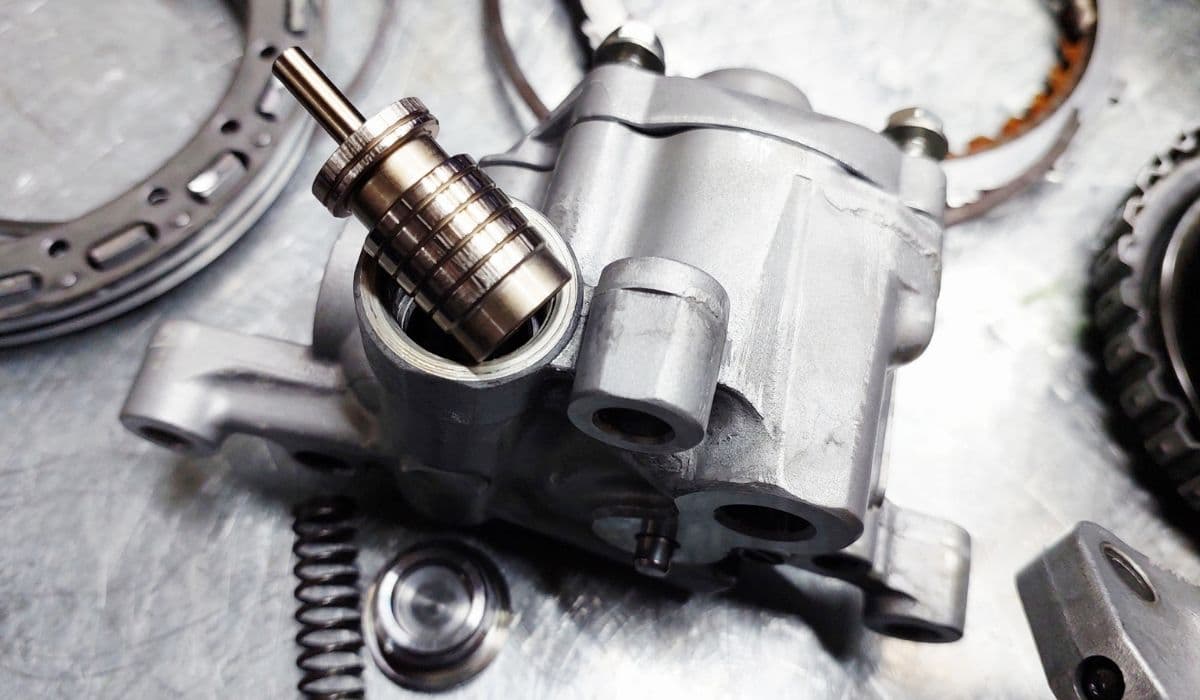
Nissan Sentra CVT jerkiness and premature failure reports
16.01.2026 09:33
Nissan Sentra budget-friendly compact with solid fuel economy
15.01.2026 17:31
Interior quality and outdated tech complaints Nissan Frontier
15.01.2026 15:26
Nissan Frontier reliable V6 engine for truck duties
15.01.2026 13:17
Nissan Frontier vibration at idle and engine roughness
15.01.2026 09:15