Nissan Rogue turbo 3-cylinder engine maintenance concerns and long-term durability
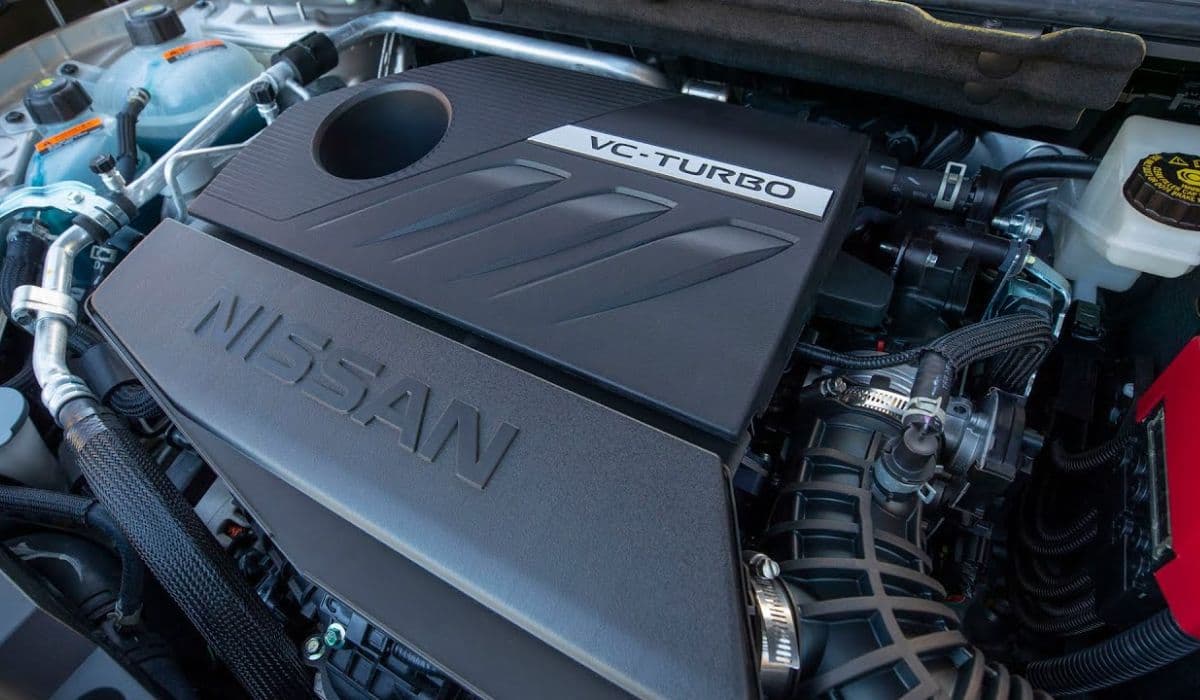
The Nissan Rogue's 1.5-liter VC-Turbo three-cylinder engine represents a bold engineering step forward. This powerplant combines turbocharging with innovative variable compression technology to deliver strong performance and impressive fuel efficiency from a compact package. Yet this sophistication brings unique challenges that owners must understand to maximize reliability over the long haul.
Understanding the VC-Turbo 3-Cylinder Design
 At its core, the KR15DDT engine adjusts compression ratio on the fly — ranging from low under heavy load for maximum power to high during light cruising for better efficiency. This clever system, paired with direct injection and turbocharging, extracts 201 horsepower and substantial torque from just 1.5 liters.
The three-cylinder layout inherently produces more vibration than traditional four-cylinder designs. Nissan counters this with advanced hydraulic mounts and balance shafts, resulting in surprisingly refined operation at idle and cruise. However, under hard acceleration the characteristic three-cylinder thrum becomes noticeable — a trade-off many owners accept for the efficiency gains.
This complexity demands respect during ownership. The engine's moving mechanical elements — including the multi-link compression adjustment mechanism — place higher stress on bearings, linkages, and seals compared to conventional engines.
Key Maintenance Requirements for Longevity
Strict adherence to the factory maintenance schedule forms the foundation of durability with this engine. Here are the critical items owners should prioritize:
Oil changes — Use only the specified full-synthetic 0W-20 oil and change it every 7,500 miles (or sooner in severe conditions). The turbo and direct-injection system generate significant heat and contaminants; extended intervals accelerate wear on bearings and variable compression components.
Oil filter quality — Always install OEM or premium equivalents. Poor filtration allows debris to circulate, potentially damaging sensitive bearings and the turbo.
Turbocharger care — Allow 30–60 seconds of idle time after hard driving to cool the turbo. Sudden shutdowns after aggressive operation can lead to oil coking in the turbo bearings.
Cooling system vigilance — Regularly check coolant levels and condition. Overheating stresses the head gasket and variable compression hardware, with some owners reporting coolant intrusion issues in high-mileage cases.
Fuel quality — Use top-tier gasoline with adequate detergent additives. Direct injection engines are prone to carbon buildup on intake valves; premium fuel helps mitigate this.
Air filter and intake — Replace more frequently in dusty environments to protect the turbo from ingesting particles.
Skipping or delaying these items dramatically increases the risk of premature failure in this highly stressed engine.
Common Concerns and Reported Issues
Owners have reported several recurring problems, many tied to the engine's innovative yet demanding architecture:
Bearing and linkage wear — Main bearings and specialized L-links (part of the variable compression system) have shown premature degradation in some cases, sometimes leading to metallic debris in the oil pan and eventual engine knock or failure.
Head gasket and coolant intrusion — Isolated incidents of coolant entering cylinders, often linked to overheating or sealing issues under high thermal load.
Turbo-related symptoms — Whining noises, power loss, or oil leaks around the turbo — frequently traceable to neglected oil changes or poor-quality oil.
Carbon accumulation — Typical of direct-injection engines, leading to rough idle or misfires if walnut blasting or chemical cleaning is not performed periodically.
NVH characteristics — While well-controlled, some drivers find the three-cylinder vibration fatiguing during extended highway drives.
Many reported failures occurred under warranty, with Nissan addressing them through repairs or replacements. Manufacturing refinements have been introduced over time, suggesting later examples may demonstrate improved robustness.
Strategies to Maximize Long-Term Durability
Proactive owners can significantly extend engine life beyond average expectations. Consider these enhanced practices:
Shorten oil change intervals to 5,000–6,000 miles for peace of mind, especially if you frequently drive in stop-and-go traffic or hot climates.
Perform occasional oil analysis (send samples to a lab) to monitor wear metals and detect problems early.
Use high-quality fuel system cleaners every 10,000 miles to combat carbon deposits.
Monitor engine temperature closely and address any cooling system concerns immediately.
Avoid short trips that prevent the engine from reaching full operating temperature — these accelerate moisture and fuel dilution in the oil.
Consider a transmission cooler if you tow or live in very hot regions, as the CVT also generates significant heat that indirectly affects engine longevity.
With diligent care, many examples of this engine have surpassed 80,000–100,000 miles without major issues, proving that proper maintenance can tame its complexity.
Realistic Expectations for Ownership
The 1.5-liter VC-Turbo engine offers a compelling blend of power, efficiency, and refinement that few competitors match in the compact crossover segment. Its advanced technology pushes boundaries, but that ambition comes with higher responsibility for owners.
Those willing to treat it as a precision instrument — rather than a set-it-and-forget-it appliance — often enjoy excellent results. The engine rewards careful ownership with strong performance and exceptional fuel economy, while neglect can lead to costly repairs.
Ultimately, success depends less on the design itself and more on how diligently each owner follows through on maintenance. Approach this powertrain with respect, stay proactive, and the Nissan Rogue's turbo three-cylinder can deliver satisfying long-term service.
More from Nissan
Nissan Sentra CVT jerkiness and premature failure reports
16.01.2026 09:33
Nissan Sentra budget-friendly compact with solid fuel economy
15.01.2026 17:31
Interior quality and outdated tech complaints Nissan Frontier
15.01.2026 15:26
Nissan Frontier reliable V6 engine for truck duties
15.01.2026 13:17
Nissan Frontier vibration at idle and engine roughness
15.01.2026 09:15