What Happens If Someone Else Is Driving My Car and Gets in an Accident?
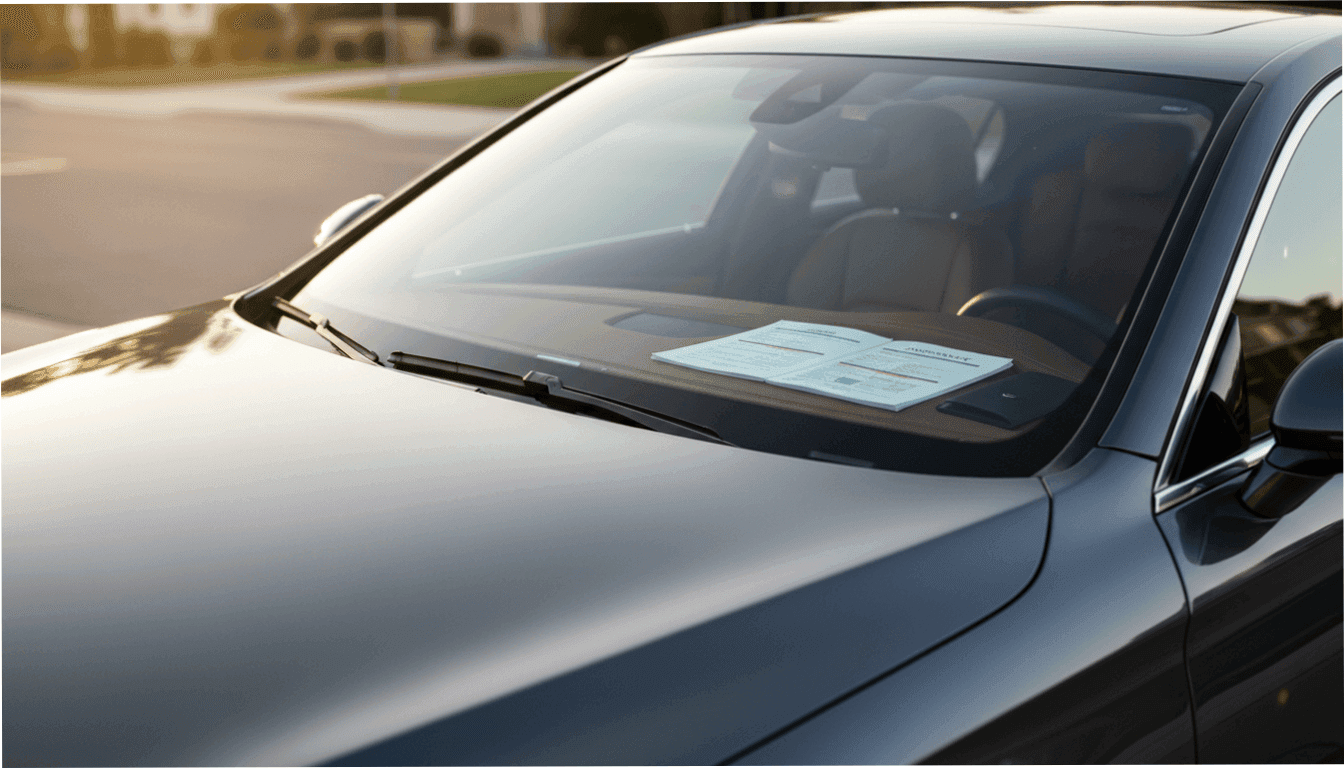
Driving is often a shared responsibility among friends, family, or even coworkers. But what if you lend your vehicle to someone, and they end up in a crash? The aftermath can involve insurance claims, legal questions, and potential financial hits. In this article, we'll break down the key principles of auto coverage in such scenarios, highlight common pitfalls, and offer practical insights to help you navigate the situation. Drawing from insurance basics and real-world examples, you'll get a clear picture of liabilities, protections, and next steps.
How Auto Insurance Typically Applies When Another Person Is Behind the Wheel
At the heart of these incidents lies a fundamental concept in vehicle coverage: in most U.S. states, the policy is tied to the automobile itself rather than the individual operating it. This means if your friend or relative borrows your ride and causes a collision, your insurer might step in to handle the damages, assuming certain conditions are met.
This "insurance follows the vehicle" rule stems from how policies are structured. Your liability protection, which covers harm to others or their property, generally extends to anyone you permit to drive. For instance, if your sibling takes your sedan for a quick errand and rear-ends another car, your plan could pay for the other driver's repairs and medical bills, up to your limits.
However, this isn't universal. States like California and New York largely adhere to this model, but always check local regulations, as nuances can vary. The idea is to protect the owner from unexpected liabilities while encouraging responsible lending.
Scenarios Where Your Coverage Kicks In
Permissive use is a key term here. If you've given explicit or implied permission for someone to use your wheels, your policy often covers them as an additional insured party. This applies to everyday situations, like letting a spouse run to the store or a roommate borrow it for work.
Consider a practical example: You're out of town, and a trusted neighbor drives your SUV to pick up supplies. If they swerve to avoid an animal and dent a parked vehicle, your liability portion should handle the claim, provided the accident isn't due to intentional misconduct.
Collision and comprehensive elements might also apply, covering repairs to your own car regardless of who's at fault. But remember, deductibles still come into play—you'd pay that out-of-pocket amount before the insurer covers the rest.
Key Exceptions That Could Leave You Exposed
Not every borrowing scenario is straightforward. Coverage can vanish if the use was unauthorized, such as when someone takes your keys without asking. In that case, the incident might be treated as theft, and your policy could deny the claim, leaving the unauthorized operator on the hook personally.
Another red flag is excluded drivers. If your policy specifically lists someone—like a high-risk family member—as ineligible, any accident they cause while driving your vehicle won't be covered. Insurers use this to manage risks, and ignoring it could lead to denied claims or even policy cancellation.
Other gaps include commercial use (e.g., turning your personal car into a rideshare without proper endorsements) or incidents involving intoxication. If the borrower was under the influence, your coverage might still apply, but they could face separate legal consequences, and you might see premium hikes.
Breaking Down What's Covered and What's Not
Let's get specific about protections. Liability typically shields against third-party claims, like bodily injury or property damage caused by the borrower. If they're at fault, your policy pays out, but only up to your chosen limits—say, $100,000 per person. Exceeding that means you or the driver might owe the difference.
For your own vehicle's damage:
Collision coverage handles repairs if the accident involves another car or object, minus your deductible.
Comprehensive steps in for non-collision events, like hitting a deer, but again, only if you have this optional add-on.
What often isn't covered? Personal belongings inside the car, like a laptop damaged in the crash—these fall under homeowners or renters insurance. Rental car costs while yours is in the shop might require separate reimbursement coverage. And if the borrower has their own policy, it could act as secondary, kicking in only after yours is exhausted.
In at-fault accidents, the borrower's driving record might not directly affect your rates, but repeated claims could. Always report the incident promptly to avoid complications.
Steps to Protect Yourself Before and After Lending Your Keys
Prevention starts with clear communication. Before handing over the keys, verify the borrower's license and discuss any restrictions. Consider adding them as an occasional driver on your policy if they borrow frequently—it might cost extra but provides peace of mind.
If a crash occurs:
Ensure everyone's safety and call authorities if needed.
Exchange details with involved parties and document the scene with photos.
Notify your insurer immediately, providing all facts about permission and circumstances.
If disputes arise, consult an attorney specializing in traffic laws.
Real-life cases show that quick action can mitigate fallout. In one instance, a policyholder lent their truck to a colleague who caused a minor fender-bender. Because permission was clear, the claim processed smoothly, covering repairs without major rate increases.
Navigating Potential Financial and Legal Repercussions
Beyond immediate claims, consider long-term effects. An accident on your vehicle's record could raise your premiums at renewal, even if you weren't driving. In some states, the at-fault party might face surcharges on their own insurance.
Legally, you could be held vicariously liable if negligence in lending (like knowing the borrower was unfit) is proven. However, most jurisdictions limit owner responsibility if permission was reasonable.
To minimize risks, review your policy annually and consider umbrella coverage for extra protection against large claims.
In wrapping up, lending your car doesn't have to lead to disaster if you understand the insurance dynamics. The core rule—that coverage travels with the vehicle—offers a safety net in permissive situations, but exceptions like unauthorized access or named exclusions demand caution. By staying informed and proactive, you can avoid nasty surprises and keep your finances intact. If you're unsure about your specific setup, a quick chat with your agent can clarify details tailored to your state and policy.
Mini-FAQ
Does my insurance always cover a friend driving my car?
Generally yes, under permissive use rules, as long as you've allowed it and no exclusions apply. But check your policy for state-specific details.
What if the accident is the borrower's fault?
Your liability coverage should handle third-party damages, but you might see premium increases. The borrower's own insurance could provide secondary support.
Can I be sued if someone else crashes my car?
Possibly, if you're deemed negligent in lending it. However, in most cases, the driver's actions are the focus, not yours.
What happens if the driver isn't listed on my policy?
As long as permission was given, coverage often extends. But for frequent borrowers, adding them might prevent gaps.
How do I handle repairs to my own car?
Collision coverage on your policy would apply, regardless of who's driving, after your deductible. If uninsured, you'd pay out-of-pocket.
More from Traffic & Law
Is It Illegal to Drive Without Insurance?
24.11.2025 11:24
What is a DWI?
23.11.2025 19:40
What to Do After a Car Accident?
23.11.2025 19:33
Top Reasons US Drivers Fail Their DMV Test in 2025
21.11.2025 16:47
Essential Guide to Buying Cars from Auctions for US Citizens: Pitfalls, Scams, and Key Documents
21.11.2025 12:34