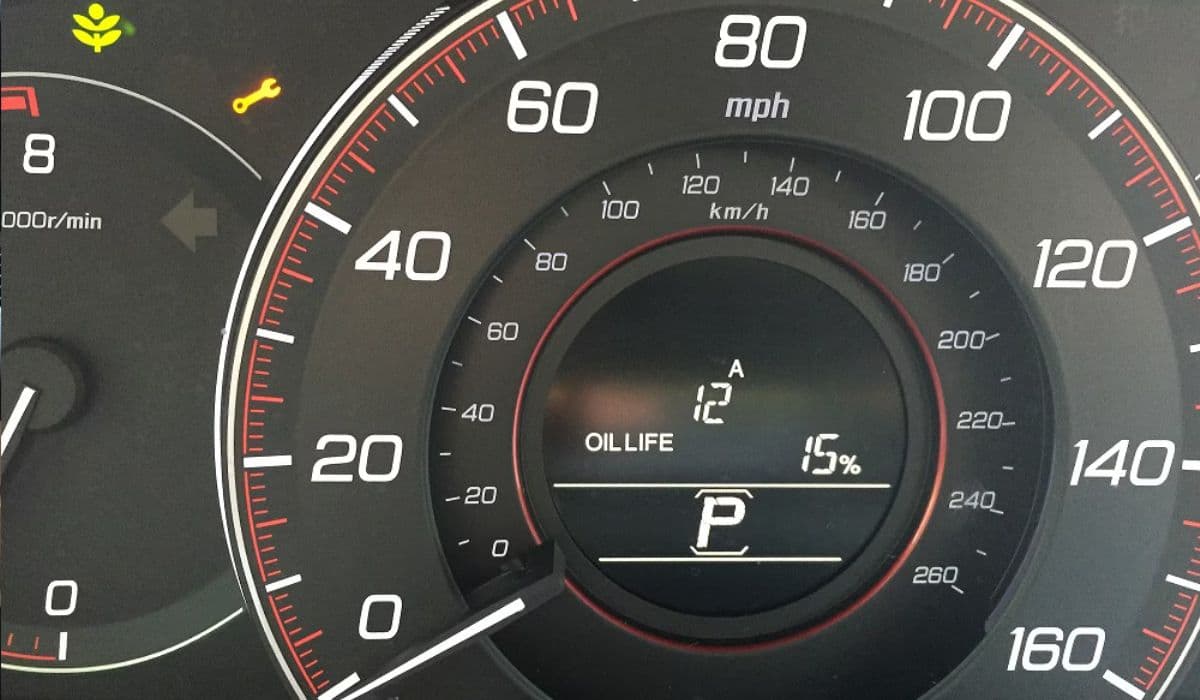
Permanent Fix for Oil Dilution on 1.5T Honda Civic (10th Gen) – DIY Guide
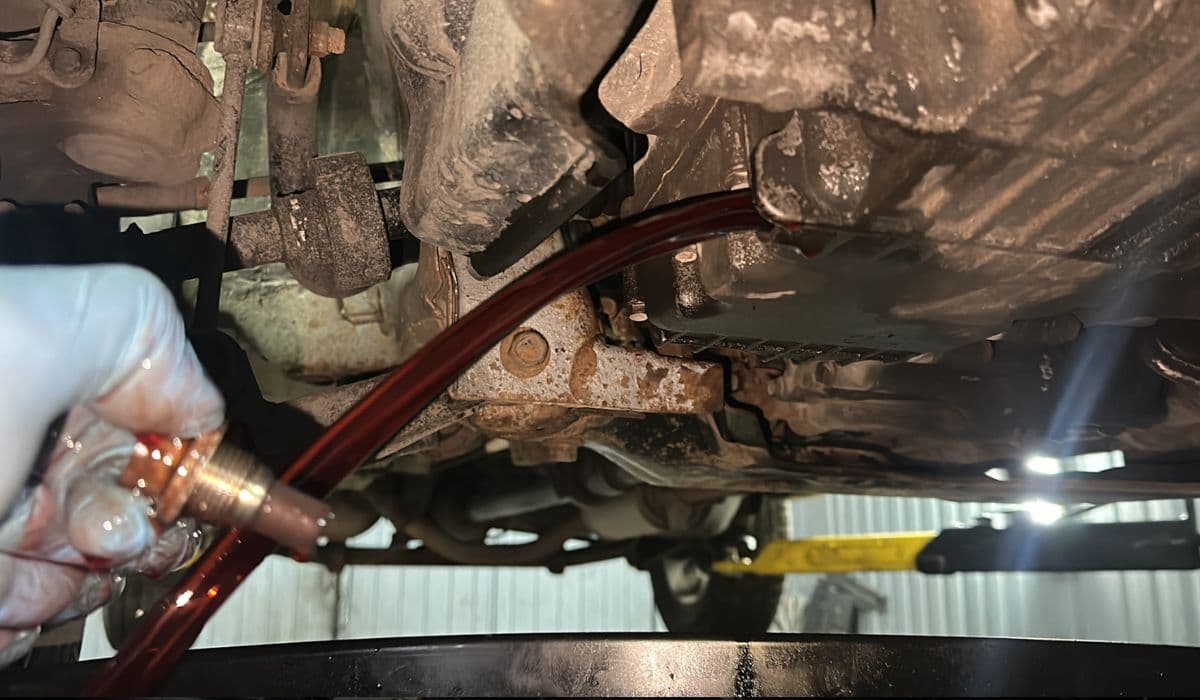
Oil dilution has been one of the most discussed and frustrating issues for owners of the 2016-2021 Honda Civic with the L15B7 1.5L turbo engine (including Si and non-Si models). Fuel steadily mixes into the crankcase oil, especially during cold weather short trips, dropping oil level on the dipstick, raising it above FULL, making it smell strongly of gasoline and turning it into a milkshake consistency in extreme cases. While Honda released several software updates and finally a “product improvement campaign (service bulletin 20-100 and later 21-102), many owners report that even after all official fixes the problem still returns every winter.
This article explains the real root causes and shows the only known permanent DIY solutions that actually stop fuel from entering the oil for good.
Why the 1.5T Civic Suffers from Massive Oil Dilution
The core problem is direct injection combined with an extremely aggressive fuel enrichment strategy during cold start and warm-up. To meet strict emission standards and protect the catalyst, the ECU commands very rich mixtures (sometimes lambda 0.70-0.80) for the first 5-12 minutes after a cold start. Because the engine is cold, piston rings don’t seal perfectly yet, and the high cylinder pressure from the turbo pushes raw fuel past the rings into the crankcase.
Additional contributing factors:
Very high crankcase pressure under boost (stock PCV system becomes a restriction)
Oil ring tension on these engines is intentionally low for reduced friction and better CAFE numbers
Short trips never allow the oil to reach temperatures that would boil off the fuel (needs ~105-110°C sustained)
The oil cooler thermostat opens very early, keeping oil temps low
Honda’s official fixes (multiple PCM reflash updates, new injectors in some campaigns, revised PCV valve) reduce the problem but do not eliminate the root cause – they simply reduce enrichment time and amount, which is still enough to cause 3-7% fuel in oil in winter for many owners.
The Only Proven Permanent Fixes
There are exactly three DIY modifications that, when done correctly, stop dilution completely. Most owners who installed all three report 0.0-0.3% fuel in oil even after 5000-mile oil change intervals in cold climates.
1. Crankcase Catch Can + Check Valve (the single biggest improvement)
The stock PCV system is the highway that lets fuel vapors and blow-by enter the intake. Installing a quality dual-inlet catch can with a one-way check valve on the PCV side completely changes the game.
Recommended setup:
Mishimoto, ADD W1, or 034 Motorsport baffled catch can (must have two inlets
Inlet from PCV valve (rear of valve cover) → catch can → check valve → intake manifold
Inlet from breather (front of valve cover) → catch can → clean-side filter or back to turbo inlet
Use 3/8" or 10 mm fuel-rated hose and proper worm-gear clamps
The check valve (Vitons-seal, cracks at 0.5 psi) prevents boost pressure from pushing crankcase contents into the intake and stops the intake manifold vacuum from sucking oil mist during warm-up. Most owners empty 50-150 ml of pure fuel/gas-oil mix from the can every 3000-5000 miles in winter – proof of how much fuel the stock system was letting through.
2. 2019+ Revised PCV Valve (Honda PN 17130-59B-003)
In mid-2019 Honda quietly changed the PCV valve design. The newer Civics, Type R, and Accord 1.5T no longer suffer dilution. The updated valve has a much stronger spring and different orifice that drastically reduces flow from crankcase to intake manifold during cold enrichment.
This is a direct drop-in replacement for all 2016-2018 Civics and early 2019 cars. Costs ~$18 from Honda dealer. Combined with a catch can it becomes almost bulletproof.
3. Block-off Plate or Restricted Fresh Air Breather + Oil Cooler Thermostat Delete
The final piece that pushes dilution to absolute zero for most owners:
Option A – Full block-off plate
CNC-machined aluminum plate that completely seals the fresh-air port on the valve cover (the one that normally goes to the turbo inlet). Forces 100% of crankcase vapors through the PCV side → catch can → check valve. Requires a small K&N breather filter on the cam cover nipple.
Option B – 0.062" (1.6 mm) restrictor orifice instead of full block-off (safer for emissions testing)
Oil cooler thermostat bypass (27Races or Mishimoto plug) keeps oil temperature higher longer, helping any trace fuel that gets past rings to evaporate before the next cold start.
Step-by-Step Installation Guide (Most Common Setup)
Order parts:
Mishimoto compact baffled catch can
034 Motorsport check valve
Honda 17130-59B-003 PCV valve
10 mm silicone hose kit
Block-off plate or restrictor + breather filter
Replace stock PCV valve with new revision (twist and pull old, push new in).
Remove factory corrugated plastic PCV hose from valve cover to intake manifold.
Mount catch can on the passenger-side strut tower (drill two 1/4" holes or use adhesive bracket).
Route new hose: valve cover PCV port → catch can INLET 1 valve cover breather port → catch can INLET 2
From catch can OUTLET → check valve → factory intake manifold port.
Install small breather filter on turbo inlet nipple or route with second check valve back to turbo inlet (clean-side separator).
(Optional but recommended) Install block-off plate on valve cover fresh-air port and add K&N crankcase breather filter on the remaining nipple.
Optional: replace oil cooler thermostat with bypass plug.
After these three mods (new PCV + catch can/check valve + block-off), Blackstone Labs reports from hundreds of owners consistently show fuel dilution under 0.5% even in Canadian winters with -30°C short trips.
Maintenance After the Fix
Empty catch can every oil change or when 13 full
Inspect check valve every 20k miles (they can stick open with carbon) Oil analysis every second oil change is cheap insurance – you will see fuel drop from 5-8% down to virtually zero.
This combination is widely considered the permanent, real-world solution that Honda should have done from the factory. Thousands of 1.5T Civic, CR-V, and Accord owners have performed these exact modifications with zero dilution issues afterward.
Enjoy your Civic again without checking the dipstick every week.
More from Honda
VTEC Not Working? 5 Reasons and How to Fix It Yourself
02.12.2025 13:01
How to Fix VTC Actuator Rattle Honda Civic 2016-2021
08.12.2025 11:54
How to Choose the Right Engine Oil for Honda and When to Change It
02.12.2025 11:50
How to Change Oil and Oil Filter on Honda Civic – 5th Generation to Present (1992–2025+)
20.11.2025 22:08