How to replace noisy wheel bearing (Tesla Model Y Performance)
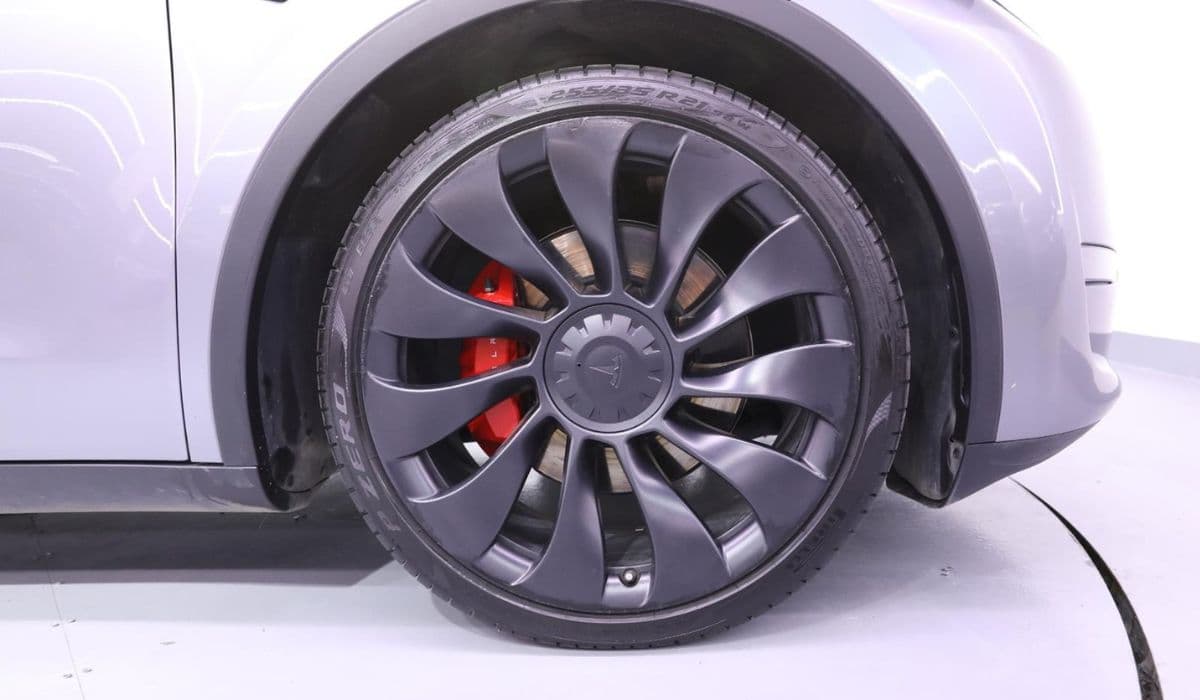
Wheel bearings are critical components in any vehicle, including the Tesla Model Y Performance, ensuring smooth rotation of the wheels while supporting the vehicle's weight. Over time, these bearings can wear out, leading to noticeable noise that affects driving comfort and safety. Replacing a noisy wheel bearing on your Tesla Model Y Performance requires mechanical knowledge, the right tools, and adherence to safety protocols. This guide provides detailed steps to help you address this issue effectively, focusing on the unique aspects of Tesla's electric drivetrain and performance-oriented suspension.
Identifying the Source of Wheel Bearing Noise
Before diving into replacement, accurately diagnosing the problem is essential. In the Tesla Model Y Performance, wheel bearing noise often manifests as a humming, growling, or whining sound that increases with speed. This noise typically originates from the front or rear wheels, depending on which bearing is affected. To pinpoint the issue, start by driving the vehicle at various speeds on a smooth road. Listen for changes in pitch or volume when turning left or right, as this can indicate whether the noise comes from the outer or inner bearing during cornering loads.
Perform a visual inspection by jacking up the vehicle and checking for play in the wheel. Grasp the tire at the 12 and 6 o'clock positions and rock it back and forth. Excessive movement suggests bearing wear. Similarly, spin the wheel by hand and listen for grinding or roughness. In Tesla models like the Model Y Performance, the dual-motor all-wheel-drive system can amplify vibrations from faulty bearings, potentially mimicking issues with the drive units or suspension components. Differentiate by noting if the noise persists in neutral or during coasting, as bearing problems are independent of propulsion.
Use diagnostic tools such as a stethoscope or chassis ear to isolate the sound. Attach the device to the knuckle near the suspected wheel and compare readings across all four corners. Tesla's onboard diagnostics might not flag wheel bearings directly, so manual checks are crucial. If the vehicle has high mileage—say over 50,000 miles—or has been driven aggressively on rough roads, bearings are more prone to failure due to the Model Y Performance's sport-tuned suspension and larger wheels.
Gathering Essential Tools and Parts
Preparation is key to a successful replacement. For the Tesla Model Y Performance, you'll need specialized tools to handle its aluminum components and torque specifications. Start with a high-quality wheel bearing kit specific to the Model Y, which includes the bearing assembly, hub, and any integrated sensors if applicable. Tesla part numbers vary by year, but for 2020-2025 models, reference OEM equivalents like those from Timken or SKF for compatibility.
Tools required include:
Hydraulic jack and jack stands rated for at least 3 tons, as the Model Y weighs around 4,400 pounds.
Torque wrench capable of 10-300 ft-lbs for precise fastening.
Breaker bar and socket set (metric sizes: 10mm to 32mm) for removing lug nuts (torqued at 129 ft-lbs) and axle nuts (up to 205 ft-lbs).
Bearing puller or slide hammer for extracting the old bearing, as it's often press-fitted.
Hydraulic press or shop press for installing the new bearing to avoid damage.
Caliper hanger or bungee cords to support the brake caliper.
Wire brush, penetrating oil, and anti-seize compound for rust prevention.
Safety gear: gloves, eye protection, and earplugs.
For the Performance variant, note the larger brake rotors (14-inch front) and performance calipers, which may require specific tools like a 7mm Allen key for piston retraction. If you're working on the rear, be aware of the electronic parking brake, which needs deactivation via Tesla's service mode accessible through the touchscreen.
Ensuring Safety Before Starting
Safety cannot be overstated when working on an electric vehicle like the Tesla Model Y Performance. Begin by parking on a level surface and engaging the parking brake. Disconnect the 12V battery to prevent accidental activation of systems, though for wheel work, this isn't always necessary unless accessing high-voltage areas. Use wheel chocks on the opposite wheels to prevent rolling.
Lift the vehicle using designated jack points: the reinforced areas under the battery pack or side sills. Never rely solely on the jack; always use jack stands. Tesla recommends their official lift pucks to avoid damaging the battery. Double-check stability before crawling underneath. Since the Model Y has regenerative braking, ensure the vehicle is in Tow Mode or Service Mode to disable regen and allow free wheel rotation.
Work in a well-ventilated area, and if using power tools, ensure they're insulated to avoid electrical hazards. If you're not experienced, consider consulting a certified Tesla technician, as improper handling could void warranties or lead to further damage.
Preparing the Vehicle for Disassembly
With safety secured, prepare the wheel area. Loosen the lug nuts while the wheel is on the ground to avoid spinning. Jack up the corner and remove the wheel, exposing the brake assembly. For the front wheel on Model Y Performance, you'll encounter the massive Brembo-style calipers.
Compress the brake pistons using a C-clamp or dedicated tool, taking care not to damage the pads. Remove the caliper bolts (typically 14mm) and hang the caliper securely without straining the brake line. Next, remove the rotor set screw if present, and slide off the rotor. Inspect for wear; if the rotor is scored, replacement might be needed alongside the bearing.
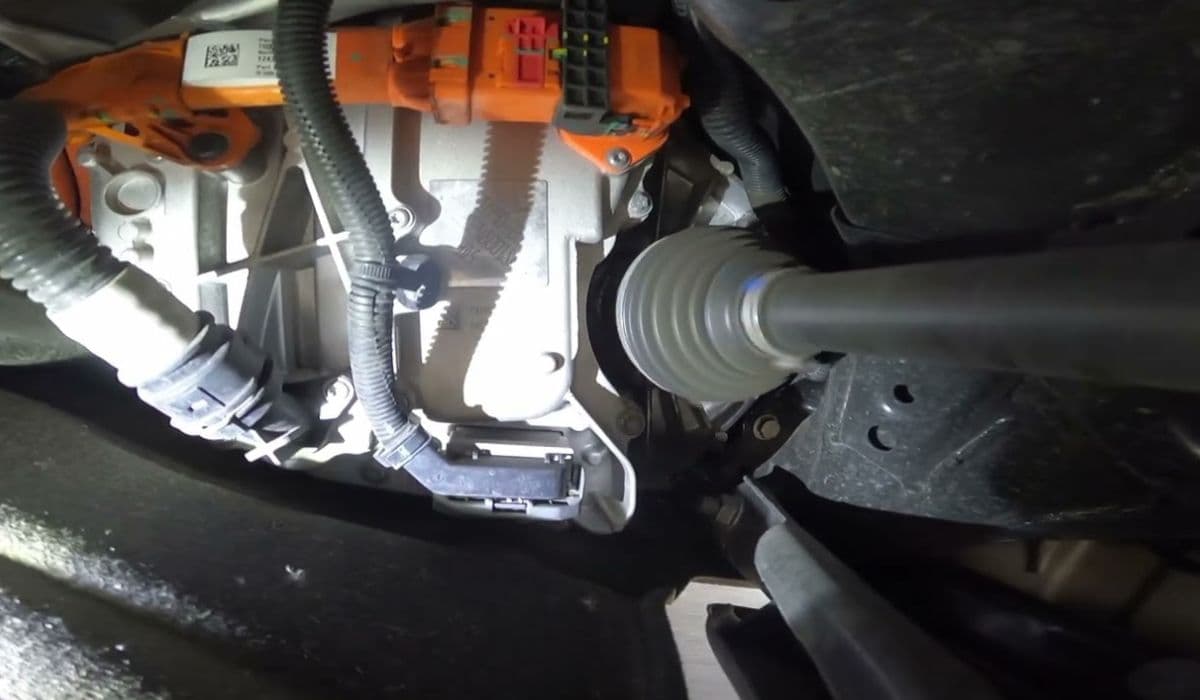
Access the hub assembly by removing the axle nut. Use a 32mm socket and breaker bar, as it's torqued high. In AWD models like the Performance, the axle might need partial disconnection from the knuckle. Apply penetrating oil to ease removal.
Removing the Faulty Wheel Bearing
The wheel bearing in the Tesla Model Y Performance is integrated into the hub assembly for most wheels, simplifying replacement compared to older press-in designs. However, some aftermarket or rear setups may require pressing.
Detach the ABS sensor wiring and any clips. Remove the steering knuckle bolts connecting to the strut and control arms. This might involve a 18mm or 21mm wrench. Support the knuckle with a jack to prevent strain on the CV joint.
For hub-integrated bearings, unbolt the hub from the knuckle (four bolts, around 80 ft-lbs). If it's a pressed bearing, use a bearing separator and puller. Apply even pressure to avoid warping the knuckle, which is aluminum and prone to cracking under stress.
In the rear, the process differs slightly due to the independent suspension. Remove the upper and lower control arms if needed for full access. Clean all mating surfaces thoroughly to ensure proper seating of the new part.
Installing the New Wheel Bearing
Installation reverses removal but demands precision. If pressing a new bearing, align it perfectly in the bore using a bearing driver set to avoid cocking. Use a shop press set to the manufacturer's tonnage—typically 5-10 tons for automotive bearings.
For hub assemblies, bolt the new unit to the knuckle, torquing to spec (e.g., 60-80 ft-lbs). Reinstall the axle nut and stake it if required for security. Reattach the knuckle to the suspension components, ensuring bushings aren't twisted.
Reassemble the brake system: slide on the rotor, mount the caliper, and torque bolts (around 60 ft-lbs for caliper brackets). Check brake fluid levels and bleed if air entered the lines.
Reassembling and Testing the Repair
With the bearing in place, reinstall the wheel and lower the vehicle. Torque lug nuts in a star pattern to 129 ft-lbs. Reactivate any disabled systems via the touchscreen.
Test drive at low speeds, listening for abnormalities. The noise should be gone, and handling improved. Monitor for vibrations or pulling, which could indicate misalignment. After 50-100 miles, re-torque all fasteners as they may settle.
In the Tesla Model Y Performance, alignment is crucial post-repair due to its precise handling. Use a professional alignment machine to check camber, caster, and toe, especially if suspension parts were disturbed.
Maintenance Tips to Prevent Future Issues
To extend bearing life, maintain proper tire pressure (42-45 PSI for Performance models) and balance wheels regularly. Avoid potholes and aggressive driving that stresses the suspension. Tesla's over-the-air updates can optimize regen braking, reducing wear on mechanical components.
Inspect bearings during tire rotations every 6,000-8,000 miles. Use high-quality synthetic grease if repacking is possible, though sealed units are common.
Common Challenges and Troubleshooting
Encountering stuck bolts? Heat them gently with a torch, but avoid near electrical components. If the bearing race remains in the knuckle, use a chisel or race remover carefully.
Noise persisting after replacement? Double-check for other culprits like worn CV joints or differential issues in the dual-motor setup. Tesla forums often discuss Model Y-specific quirks, such as bearing failures linked to wheel size (20-inch induction wheels).
By following these steps, you can restore your Tesla Model Y Performance to its quiet, efficient state, enhancing both safety and enjoyment.