How to replace torn rear seat bolsters Tesla
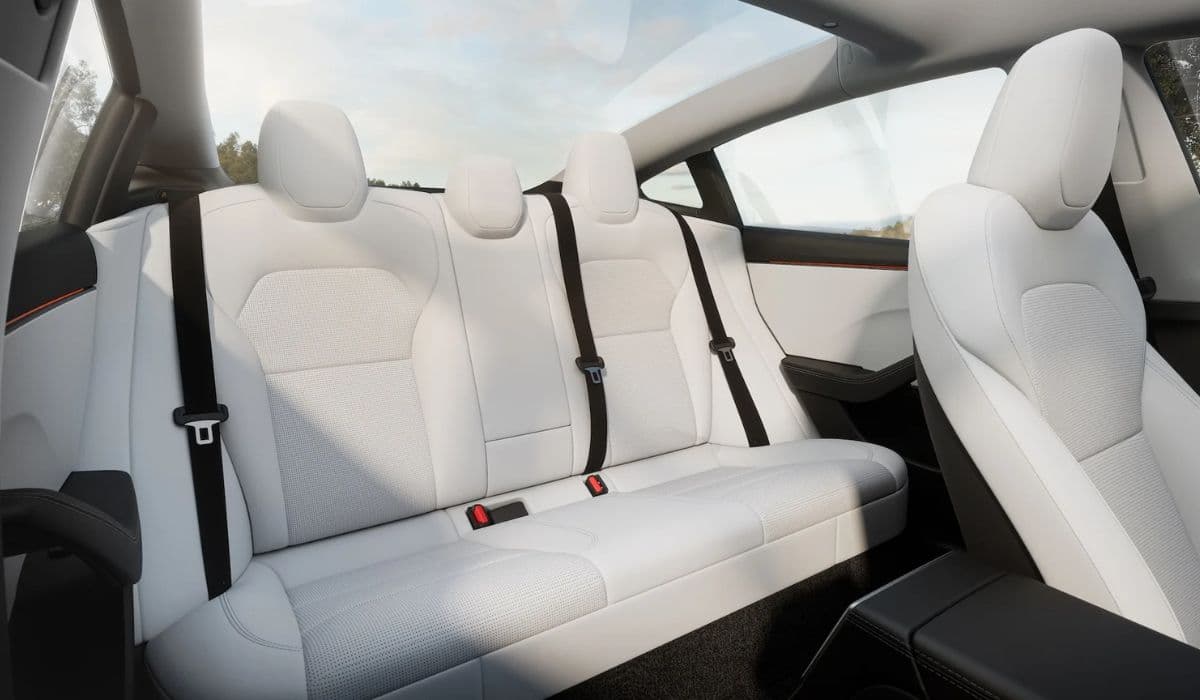
Tesla vehicles are renowned for their sleek interiors, but over time, the rear seat bolsters—the padded side supports on the second-row seats—can develop tears or excessive wear. This is particularly common in high-mileage cars or those frequently used for family transport, where passengers slide in and out, putting stress on the vegan leather or fabric upholstery. The bolsters help provide lateral support and contribute to the overall premium feel of the cabin, so addressing damage promptly keeps the interior looking sharp and maintains comfort.
Replacing a torn rear seat bolster is a manageable DIY project for most owners, requiring basic tools and patience. While the process varies slightly across models like the Model 3, Model Y, Model S, and Model X, the core steps are similar. This guide focuses on a complete replacement for the best results, though repair options exist for minor damage.
Understanding Rear Seat Bolster Wear in Tesla Vehicles
Rear seat bolsters endure significant friction from entry and exit, especially on the outer sides near the doors. In Teslas, the synthetic materials used for seats are durable and eco-friendly but can show signs of wear faster than traditional leather in high-contact areas.
Common causes include:
Repeated sliding across the bolster when entering the rear seats
Pressure from child seats or heavy items placed on the seats
Natural material fatigue over thousands of miles
Many owners notice small tears or scuffs first on the driver's side rear bolster, as it's used more often. Ignoring these can lead to larger rips or foam exposure, making the seat uncomfortable and reducing resale value. Early intervention prevents further deterioration.
Tools and Materials Needed
Before starting, gather these items for a smooth process:
Plastic trim removal tools (to avoid scratching panels)
Flathead screwdriver (wrapped in tape for protection)
Torx bits (if accessing deeper fasteners)
Replacement bolster assembly (matching your model's color and material)
Zip ties or hog ring pliers (for securing upholstery if re-covering)
Clean cloths and mild cleaner for prep work
Work in a well-lit garage with the vehicle parked safely. Disconnect the battery if you're concerned about airbags, though it's usually unnecessary for this task.
Step-by-Step Removal of the Damaged Bolster
Start by preparing the area for easy access.
Fold down the corresponding rear seatback to create space.
Lower the rear window on the affected side for better reach.
Clear any items from the seats and trunk.
For removal:
Gently pull the bolster outward from the bottom, starting near the door side.
Lift upward while pulling to release it from the mounting tabs and clips.
Use trim tools to carefully pry if it resists—clips can be stubborn but usually pop free without breaking.
Inspect the mounting points; some models use plastic brackets that may need gentle persuasion.
In certain configurations, the bolster slides into grommets or hooks. Avoid excessive force to prevent damaging the seat frame. Once free, disconnect any wiring if your bolster includes heating elements (rare in rear seats).
Take this opportunity to vacuum debris and inspect the underlying foam for damage.
Assessing and Repairing Minor Tears vs. Full Replacement
If the tear is small (under a few inches), repair might suffice before full replacement.
Options for repair:
Use a vegan leather patch kit matched to your interior color.
Apply flexible adhesive and backing material from underneath.
Heat gently with a hairdryer to smooth wrinkles around the patch.
For larger tears or worn foam, replacement is superior. New bolsters come pre-assembled with fresh upholstery and padding, restoring that factory-fresh feel. Sourcing exact-match parts ensures seamless integration.
Installing the New Rear Seat Bolster
Installation reverses removal but requires alignment for a snug fit.
Position the new bolster, aligning bottom tabs first.
Push inward firmly, then downward to engage upper clips.
Ensure all tabs seat properly—listen for clicks.
Test by folding the seatback up and down to confirm secure attachment.
If the bolster feels loose, double-check clip engagement. Some owners add felt tape to contact points to eliminate potential rattles.
Tips for Preventing Future Bolster Damage
Preserve your new bolsters longer with these habits:
Enter rear seats by sitting first, then swinging legs in—avoid sliding directly onto the bolster.
Use seat covers or protectors in high-use vehicles.
Condition the material regularly with appropriate cleaners to maintain flexibility.
Encourage passengers, especially kids, to be mindful of sharp objects or rough entry.
Regular cleaning removes dirt that accelerates wear, keeping the interior pristine.
This replacement restores comfort and aesthetics, making your Tesla's cabin feel new again. With care, the new bolsters should last significantly longer.