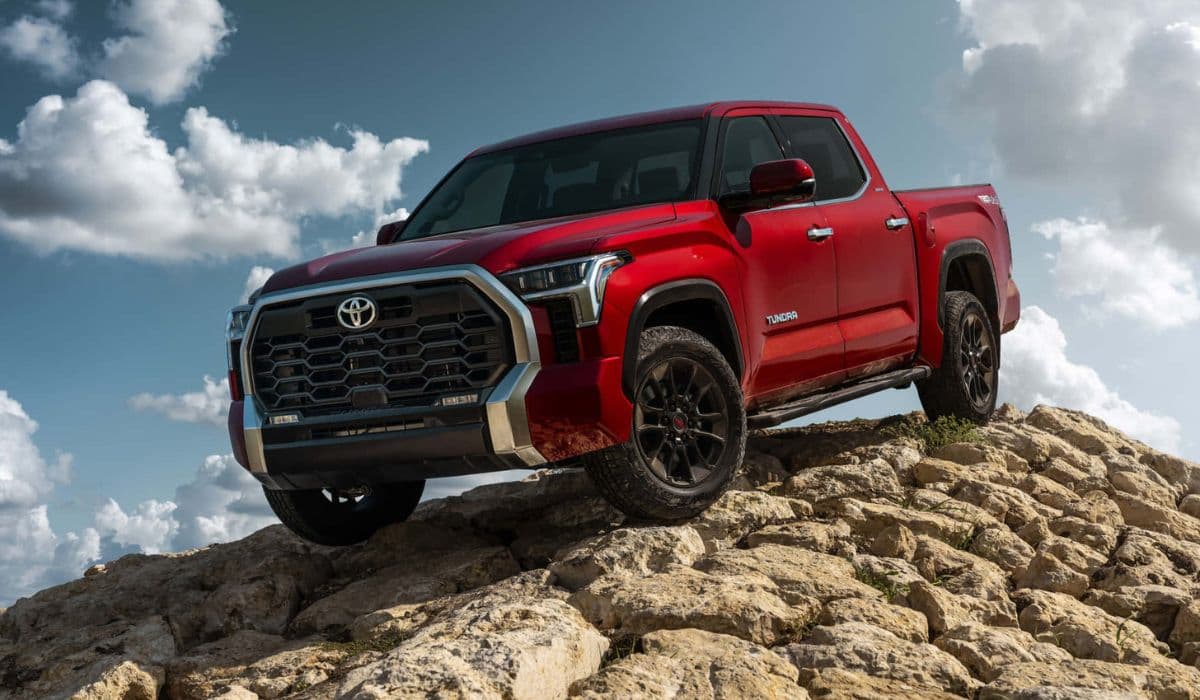
Tacoma 2.7 2TR-FE Spark Plug Replacement at 200,000+ Miles: Complete Real-World Guide
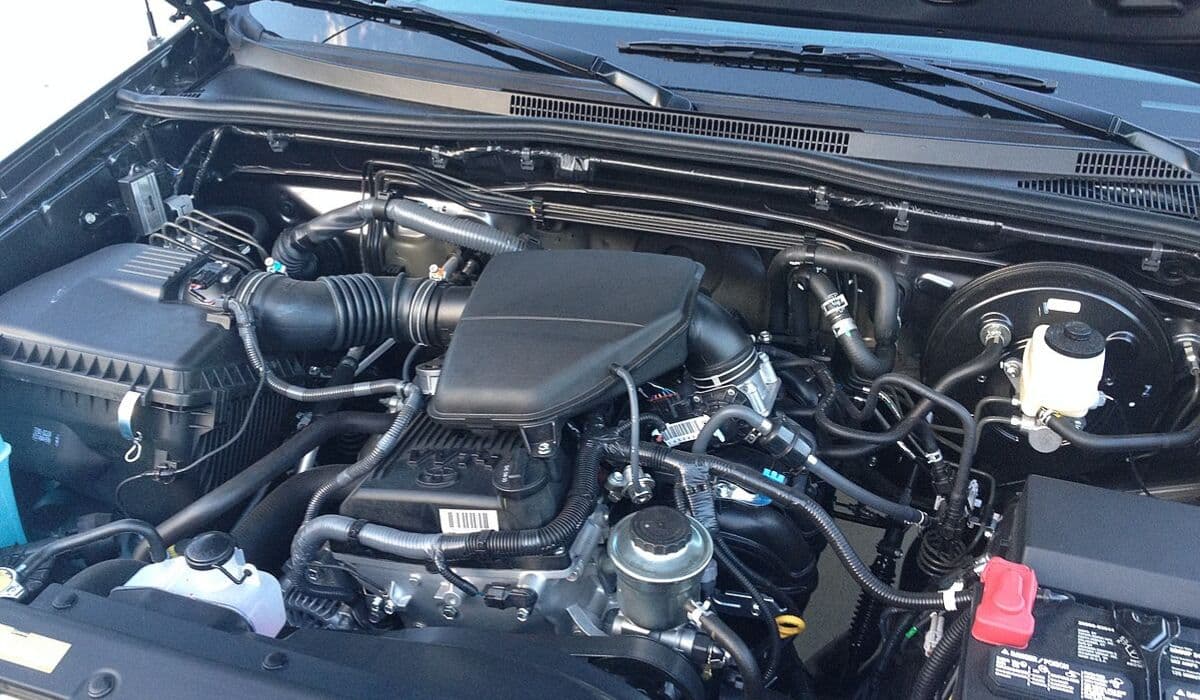
The Toyota 2TR-FE 2.7-liter engine found in second- and third-generation Tacomas is legendary for reaching extremely high mileage with basic maintenance. By the time most owners hit 200,000–300,000 miles, the original factory spark plugs are long overdue for replacement. While Toyota lists the service interval at 120,000 miles for the double-platinum plugs, many trucks run far beyond that without obvious misfires – until suddenly they don’t. This guide covers everything learned from dozens of high-mileage 2TR-FE plug changes, including common surprises, torque specs, best plug choices, and tricks that make the job much cleaner and faster.
Why 200k+ Mile 2TR-FE Engines Still Run on Original Plugs (and Why You Shouldn’t Push It)
The factory NGK or Denso double-platinum plugs (FK20HR11 or 90919-01247) are incredibly durable thanks to the fine-wire iridium tip on the ground electrode and platinum pad on the center. Combined with coil-on-plug ignition and conservative tuning, visible misfires often don’t appear until 220,000–280,000 miles. However, by that point the electrode gaps have usually opened to 0.060–0.070" (spec is 0.043–0.044"), causing harder cold starts, slight hesitation under load, worse fuel economy, and increased carbon buildup on valves. In extreme cases, the ceramic can crack or the coil boot can burn from excessive voltage demand.
Tools and Parts You’ll Actually Need for a High-Mileage Truck
5/8" thin-wall spark plug socket (14 mm bi-hex works too, but 5/8" is safer on porcelain)
3/8" long extension (12–16") and flexible universal joint
10 mm, 12 mm, and 14 mm deep sockets
Torque wrench capable of 15 ft-lb
Anti-seize (nickel preferred over copper on aluminum heads)
Dielectric grease
Magnetic pickup tool and telescoping mirror
Shop vacuum with crevice tool and compressed air
New coil boots if original rubber is cracked (Toyota 90980-11885 or Denso 671-4298)
Recommended plugs for 200k+ engines:
OEM Denso FK20HR11 or NGK LFR6AIX-11 (pre-gapped ~0.044")
Ruthenium upgrade: NGK LTR7BHX (94833) or Denso SXU22HCR11S – noticeably smoother idle and slightly better throttle response
Avoid cheap copper plugs; they will last only 30–40k miles in this engine
Driver-Side (Cylinder 1 & 3) – Usually the Easy Half
Start on the driver side because it’s far more accessible. Remove the large plastic engine cover (four 10 mm bolts), then the throttle body inlet tube for better access to coil #1.
Cylinder 1 (front) and Cylinder 3 are almost in the open. The biggest annoyance is the wiring harness bracket on the intake manifold – unbolt the 12 mm bolt and swing it out of the way.
Coils unbolt with a single 10 mm. Twist and pull straight up; high-mileage boots often stick badly. If the boot tears, replace it now – water will enter later and cause misfires in rain.
Blow out the plug wells with compressed air before removing plugs. At 200k+ miles you’ll usually find significant carbon and rust flakes sitting around the plug shoulder.
Passenger-Side Nightmare (Cylinder 2 & 4) – The Real Battle
This is where most DIY owners give up and take it to a shop.
Cylinder 2 (second from front) is hidden under the EVAP canister and fuel lines. Cylinder 4 (rear-most) is buried against the firewall under the heater hoses and brake booster line.
Proven access method:
Remove the passenger-side inner fender liner (several 10 mm bolts and plastic clips) – this gives shocking access from underneath.
From the top, remove the metal brake line bracket (14 mm bolt) and gently bend the hard lines upward 1–2 inches.
Use a 16" extension with universal joint from under the truck for cylinder 4 – you can actually see the plug with a mirror this way.
Cylinder 2 is reachable from the top with a 12" extension + u-joint after moving the EVAP purge valve aside (two 10 mm).
What You’ll Find at 200k+ Miles – Common Surprises
Plugs often come out surprisingly easy despite age (Toyota torque is only 15 ft-lb), but occasionally one will have mild thread corrosion. Use penetrating oil 24 hours before if you suspect seizure.
Coil boots are usually cracked and hard; the internal spring often stays stuck in the plug well.
Expect 1/8–1/4" of carbon/sand/rust debris in each well. Vacuum thoroughly.
The hex on very old plugs sometimes rounds slightly – a tight 5/8" 6-point thin-wall socket is critical.
Cylinder 4 well almost always has the most debris because of its position under the cowl drain.
Torque Specs and Installation Tricks
New plugs: apply nickel anti-seize only to the first 2–3 threads (never on the electrode or porcelain)
Hand-thread until finger tight, then torque to exactly 15 ft-lb (204 in-lb). Over-torquing is the #1 cause of stripped threads in 2TR heads.
Apply generous dielectric grease inside each coil boot before reinstalling.
Re-torque coils to 7.5 ft-lb (90 in-lb) – many owners skip this and get vibration codes later.
Post-Replacement Behavior Changes
Almost every 200k+ Tacoma shows:
Smoother idle (drops 50–80 rpm and becomes glass-smooth)
Crisper throttle response, especially 1500–3000 rpm
0.5–1.5 mpg improvement (real-world testing on multiple trucks)
Cold starts in under 1 second instead of 3–4 seconds of cranking
Slight power increase noticeable when towing or climbing grades
Maintenance Tips to Make the Next Change Easier at 400k
Every oil change, pop the coils and blow out the wells – prevents debris buildup
Replace coil boots proactively every 150k even if they look okay
Consider ruthenium plugs for 150k+ service life instead of 120k platinum
Keep a spare coil (Toyota 90919-02252) in the glovebox – #4 coil loves to fail after plug changes from disturbed corrosion
Doing spark plugs on a 200k+ mile 2TR-FE is one of the highest-ROI maintenance jobs you can perform. The engine instantly feels ten years younger, and you’ll likely add another 100–200k miles before the next change.
More from Toyota

Permanent Fix for Toyota 4Runner Liftgate Window Rattle (5th Gen 2010–2024)
08.12.2025 16:51
Highlander Hybrid Battery Cooling Fan Cleaning: Complete Step-by-Step Guide
08.12.2025 16:56
4Runner 5th Gen Rear Differential Breather Mod: The Ultimate Guide to Preventing Water Ingestion and Extending Diff Life
08.12.2025 14:44
How to Fix a Toyota Sienna Sliding Door Cable Snap – Complete DIY Repair Guide
08.12.2025 16:44
How to Fix Toyota Corolla Cross Wind Noise with a Simple Door Seal Modification
08.12.2025 16:47