Toyota Tacoma Frame Rust Repair DIY: Complete Undercoating Guide
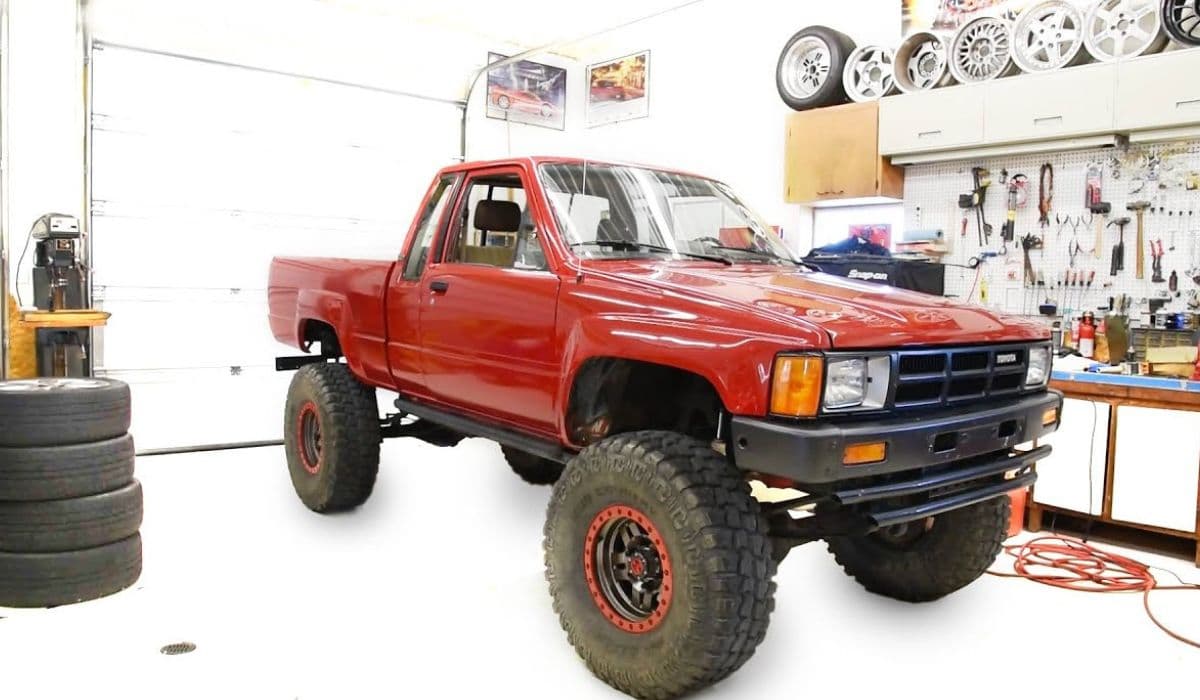
Toyota Tacoma trucks, especially second-generation (2005-2015) and many third-generation models, are legendary for off-road capability and reliability — until frame rust strikes. Severe perforation from rust led Toyota to issue a massive frame replacement campaign, but thousands of trucks now fall outside warranty coverage. The good news: with the right DIY approach, you can stop, repair, and protect the frame from further corrosion using proven undercoating methods. This in-depth guide walks you through every step of professional-level frame rust repair and long-term undercoating without requiring a lift or expensive shop labor.
Understanding Tacoma Frame Rust: Why It Happens So Fast
Tacoma frames rust aggressively because of thin factory e-coat, inadequate drainage holes, and constant exposure to road salt, moisture, and mud that gets trapped in boxed sections. The worst areas are:
Rear frame rails behind the cab
Crossmembers near the fuel tank
Shock towers and spring hangers
Front frame horns near the radiator support
Areas where the bed meets the cab (mud pocket zone)
Once surface rust turns into scale and perforation, structural integrity drops quickly. Catching it early is critical.
Safety First: Essential Gear and Precautions
Before starting, gather proper protection:
Nitrile gloves (multiple pairs)
N95 or better respirator
Full-face shield or safety goggles
Tyvek suit or old clothes you can throw away
Knee pads and sturdy boots
Fire extinguisher (you’ll be using flammable fluids)
Jack stands rated for at least 3 tons and wheel chocks
Never work under a truck supported only by a jack.
Step 1: Inspection and Documentation
Put the truck on jack stands or ramps and perform a complete underside inspection with a bright LED light and inspection mirror. Take detailed photos of every rusty area — this helps track progress and serves as evidence if you ever need frame replacement consideration from Toyota later. Tap suspect areas with a small hammer; if it sounds hollow or punches through, you have perforation.
Step 2: Mechanical Rust Removal (The Most Important Step)
Power tools make the biggest difference:
4.5-inch angle grinder with knotted wire cup brush and flap discs (40-80 grit)
Wire wheel on a drill for tight spots
Needle scaler or air chisel with needle attachment for heavy scale
Die grinder with carbide burrs for perforated holes
Remove ALL loose scale and flaky rust until you see shiny metal or tightly adhered factory coating. This step alone can take 20–40 hours on a badly rusted frame, but skimping here dooms the entire repair.
Step 3: Treating Perforated Holes and Deep Pitting
For holes smaller than 1 inch:
Grind a slight bevel around the hole. Cut 16-18 gauge cold-rolled steel patches slightly larger than the hole. Weld patches in place (MIG recommended) or use structural adhesive rivets (e.g., Lord Fusor 108B + pop rivets) if you lack welding skills.
For larger holes (1–4 inch) holes:
Fabricate patches with 1-inch overlapping flanges. Weld or use panel bond adhesive with rivets every 1–2 inches.
For extensive perforation across entire sections:
Many owners cut out the worst boxed sections, weld in new 2x3-inch rectangular tubing, then sleeve the original frame with slightly larger tubing for double-wall strength.
Step 4: Neutralizing Remaining Rust
After mechanical removal, apply a quality rust converter on any remaining tight rust or flash rust:
POR-15 Metal Prep (phosphoric acid based)
Ospho
Picklex 20
Rust911 (non-toxic option)
Let it work 30–60 minutes until the surface turns gray/black, then rinse thoroughly and blow dry with compressed air.
Step 5: Cavitiy Wax Injection (Critical for Boxed Frame Sections)
Tacoma frames are fully boxed — rust starts inside where you can’t see. Drill 3/8-inch access holes every 18–24 inches along frame rails and crossmembers (avoid drilling into brake/fuel lines). Use a 360-degree cavity wand and spray:
Fluid Film (lanolin-based, creeps extremely well, non-damaging to rubber)
Woolwax (thicker version of Fluid Film)
Surface Shield (CRC)
Internal Frame Coating from Eastwood
Spray until it drips out of every seam and factory hole. Plug holes with rubber plugs or stainless screws + silicone.
Step 6: Seam Sealer and Underbody Protection
Reapply OEM-style seam sealer to all factory seams that cracked or peeled. 3M 08308 or SEM 39377 work perfectly. Brush or caulk-gun apply, then tool smooth.
Step 7: Primary Rust Encapsulation Coating
Choose one of these proven frame paints (in order of popularity among Tacoma owners):
POR-15 (2–3 coats, incredibly tough but UV-sensitive)
Eastwood Internal Frame Coating (green) + Eastwood Rust Encapsulator Platinum
Chassis Saver (magnet paint product, very thick)
Zero Rust (excellent adhesion)
Apply minimum two coats with a brush or Schuster sprayer. Pay special attention to welds and patched areas.
Step 8: Final Undercoating Layer (The Shield)
After frame paint fully cures (7–14 days for POR-15/Chassis Saver), apply a flexible rubberized or wax-based undercoating:
Fluid Film undercoating (aerosol or pro gun)
Woolwax Pro Gun spray (thick amber)
3M Rubberized Undercoating (black)
NH Oil Undercoating (professional-grade lanolin)
Apply 2–3 heavy coats, allowing creep into seams. Many owners do this annually afterward.
Maintenance Schedule After Repair
Re-spray cavity wax every 12–18 months
Touch up scratches immediately with rust encapsulator
Wash underside thoroughly after winter driving
Reapply top-layer undercoating every 2–3 years
Common Mistakes That Cause Failure
Skipping mechanical removal and just painting over scale
Using regular black spray-can undercoating that traps moisture
Not treating inside boxed sections
Using rust reformer without removing loose rust first
Applying rubberized undercoating directly over bare metal without encapsulator
A properly executed DIY frame rust repair and undercoating job routinely lasts 10–15 years even in the rust belt. Thousands of Tacoma owners have saved their trucks — and tens of thousands of dollars — using exactly these methods.
More from Toyota
How to Choose the Right Oil and When to Change It in Toyota and Lexus Vehicles
01.12.2025 17:59
How to Make a 2GR-FE (3.5 V6) Engine Live Past 400,000 Miles – Real-World Experience from Cars That Actually Did It
02.12.2025 08:16
A25A-FKS 2.5 Dynamic Force Engine Long-Term Review: Real-World Durability and Ownership Experience
08.12.2025 09:12