Li Auto Posts First Quarterly Loss in Three Years as Sales Slow Sharply
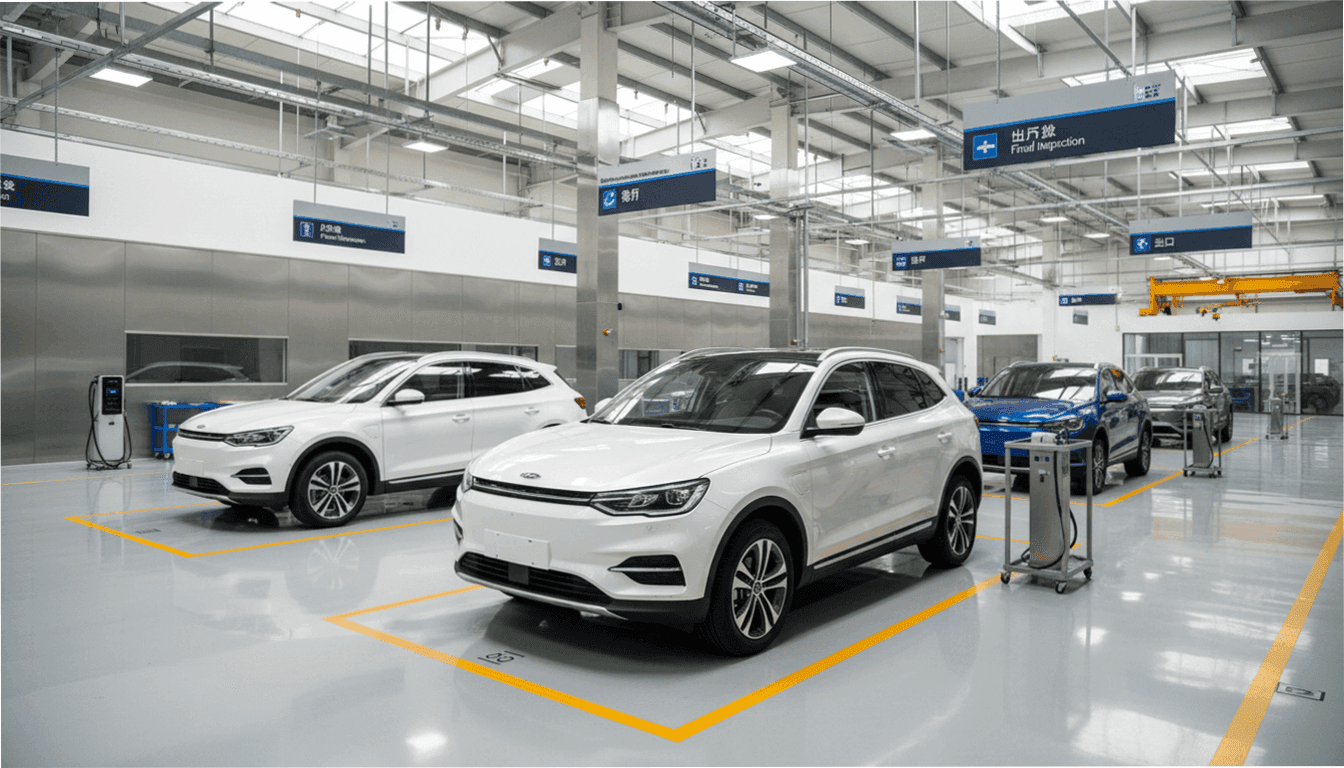
Li Auto, once considered one of the strongest players in China’s fast-growing plug-in hybrid segment, has reported its first quarterly loss in three years — a sign that shifting consumer demand and intensifying competition are reshaping the Chinese EV landscape faster than expected.
The company posted a net loss of 625 million yuan (approximately $88 million) for the third quarter, a stark reversal from the 2.81 billion yuan profit it recorded during the same period last year. Analysts had expected the company to remain in the black, making the loss significantly worse than market forecasts.
What Caused Li Auto’s Sudden Decline?
Several pressures converged at once, resulting in a sharp slowdown:
Demand for plug-in hybrids is cooling
Li Auto built its rapid rise on extended-range hybrids — vehicles that rely on small gasoline engines to charge their batteries. But in 2025, Chinese buyers began shifting harder toward fully electric models, benefitting EV leaders with long-range battery platforms.
Competition is fiercer than ever
Dozens of domestic automakers — including BYD, NIO, Huawei-backed brands, Zeekr, and Xiaomi’s entry into the EV space — are crowding the market with aggressively priced models and increasingly advanced tech.
This pushed Li Auto to offer larger discounts and additional incentives, squeezing margins.
Slowing consumer confidence
China’s broader economic conditions, including a weaker housing sector and softer retail spending, have resulted in more cautious car-buying behavior across the country.
Li Auto’s mid- to high-end hybrids have been hit especially hard.
Deliveries Expected to Drop Nearly One-Third in Q4
Li Auto now forecasts 100,000 to 110,000 vehicle deliveries for the fourth quarter — down nearly a third from the same period a year earlier.
For a company that once posted some of the fastest delivery growth in China’s EV-hybrid market, this guidance signals a deep cooling in demand. Analysts say the decline also shows Li Auto may have misjudged how long hybrid momentum would last as EV charging infrastructure improved nationwide.
Margins Under Pressure as Discounts Rise
To maintain sales volume, Li Auto has been offering more promotional pricing on several models. But because hybrids have tighter margins than full EVs, even small price cuts have a dramatic effect on profitability.
Additionally:
marketing costs increased
battery supplier contracts became more expensive
competition reduced pricing power
logistics and component expenses rose unexpectedly
All of this contributed to the company swinging from multibillion-yuan profit to a significant quarterly loss.
Is Li Auto Facing a Long-Term Problem?
The company insists the loss is temporary and tied to market adjustments, not structural weakness. But industry analysts caution that Li Auto’s business model faces two challenges:
1. The hybrid window may be closing faster than anticipated
China aims for far higher EV adoption rates by 2030, and pure EVs are increasingly competitive in price.
2. Tech and luxury expectations are rising
New entrants offer high-tech interiors, advanced driver assistance systems, and software features that match or exceed Li Auto’s lineup.
Li Auto must now prove it can compete in a market that’s demanding more innovation — and less reliance on transitional hybrid technologies.
What This Means for China’s EV Market
Li Auto’s downturn is more than a single-company story. It reflects broader shifts:
Hybrid hype is fading as consumer preference moves toward full electric.
Price competition is accelerating, reducing profitability across the industry.
Market fragmentation is growing, making it harder for mid-tier brands to keep up.
As one of China’s earlier hybrid success stories, Li Auto’s struggle could foreshadow turbulence for other companies relying heavily on similar technology.
Li Auto’s unexpected swing to loss highlights how fast the EV landscape is changing. To stay competitive, the company must adapt quickly — either by accelerating its pure-electric strategy or by redefining the hybrid segment with stronger value and lower costs.
China’s EV battle is entering its next phase, and Li Auto’s performance in 2026 will reveal whether the company can regain momentum or risks falling behind in one of the world’s toughest automotive markets.
More from News
The Race to Build Electric Motors Without Chinese Rare Earths
02.12.2025 17:03
Why Tesla’s Latest Earnings Report Is a Warning Sign — And What It Means for the EV Market
02.12.2025 17:19
Are Lexus F Models Disappearing? The Uncertain Future of the Brand’s Performance Division
21.11.2025 19:05
Tesla Might Finally Add Apple CarPlay — Here’s What That Means for Drivers
21.11.2025 19:17
How New U.S. Tariffs on Japanese Cars Will Impact You
23.11.2025 14:59