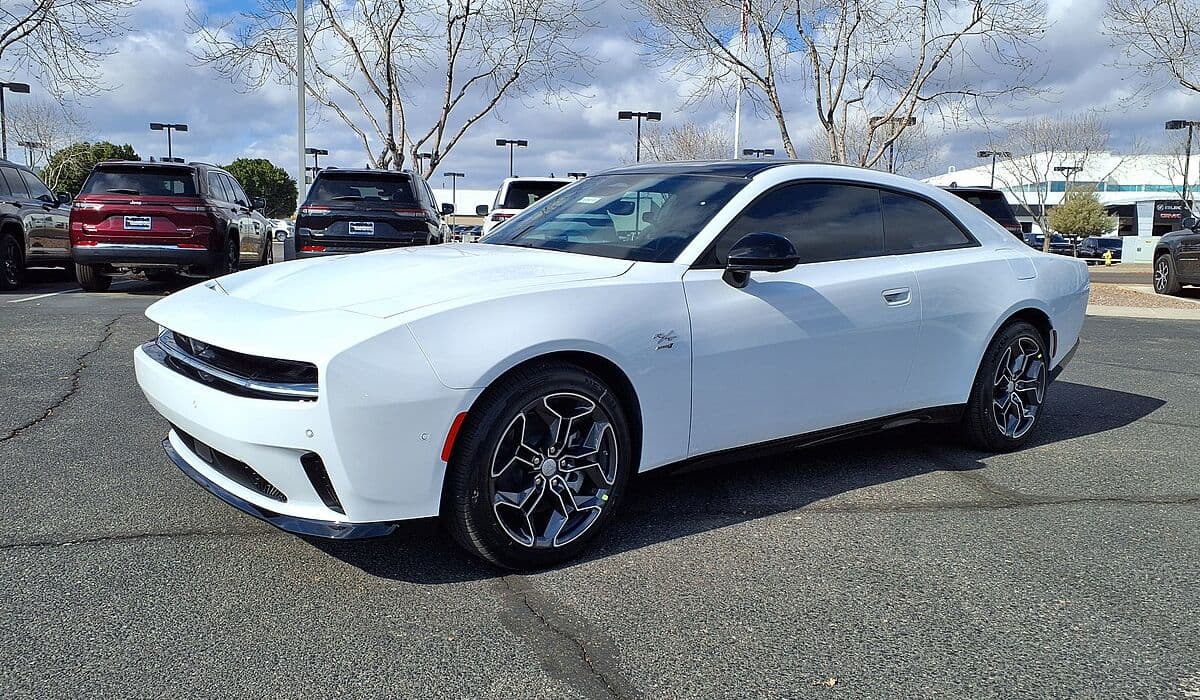
Dodge Durango: Three-row seating and dated design complaints
The Dodge Durango stands out in the crowded midsize SUV segment as one of the few options that combines muscular performance with genuine three-row seating capability. While many competitors have shifted toward car-like crossovers, the Durango retains its truck-based roots, appealing to buyers who prioritize towing, power, and spacious interiors. However, this traditional approach also brings criticism, particularly regarding its interior design that some owners and reviewers describe as showing its age. This blend of strengths and shortcomings makes the Durango a polarizing choice for families needing extra seats.
The Appeal of True Three-Row Seating
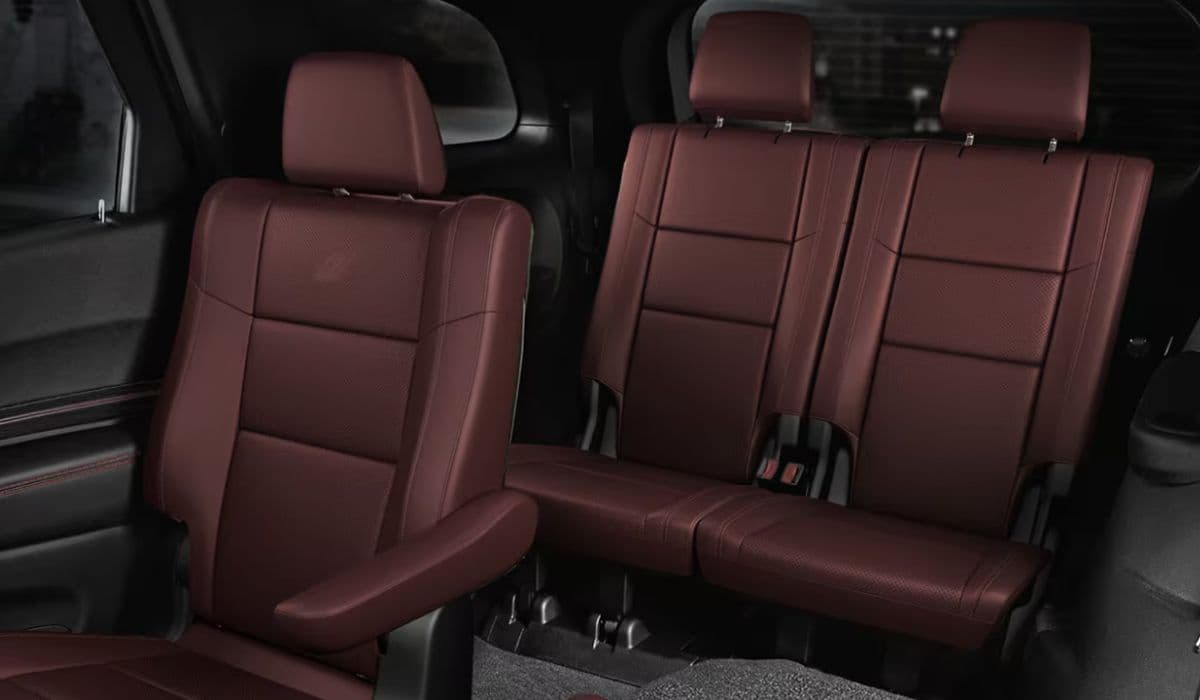
One of the Durango's strongest selling points is its legitimate third-row accommodation. Unlike many midsize SUVs where the rearmost seats feel like an afterthought, the Durango offers space that adults can actually use for shorter trips.
The third row provides decent headroom and legroom for average-sized passengers, making it suitable for occasional use by teenagers or adults.
Access to the third row is relatively straightforward thanks to sliding and tilting second-row captain's chairs or bench options.
Folding both rear rows creates a flat load floor with impressive cargo volume, ideal for hauling gear on family adventures or home improvement runs.
Higher trim levels include power-folding third-row seats, adding convenience for frequent configuration changes.
This practical layout stems from the Durango's body-on-frame construction shared with trucks, allowing for a taller cabin and more flexible seating arrangements compared to unibody rivals.
Performance That Complements Family Duties
The Durango pairs its roomy interior with engine options that deliver excitement rarely found in family haulers. The standard V6 provides adequate motivation, but the available V8 engines transform the SUV into something far more engaging.
Drivers appreciate how the powerful powertrains make highway merging effortless even when fully loaded with passengers and cargo. The rear-wheel-drive architecture, with available all-wheel drive, contributes to balanced handling that feels more confident than many taller crossovers. This combination means the Durango can serve as both a daily family vehicle and a capable tow rig without feeling compromised in either role.
Interior Design: Where Age Shows Most
Despite its spacious layout, the Durango's cabin draws frequent complaints for elements that feel outdated compared to newer competitors. Materials and technology integration highlight the platform's longevity.
Many hard plastics dominate lower dashboard and door areas, lacking the soft-touch surfaces common in refreshed rivals.
The infotainment screen, while functional and responsive, sits somewhat low in the dash with thicker bezels than modern designs.
Climate control knobs and switches retain a traditional layout that works well but lacks the seamless integration of touchscreen-heavy interfaces.
Some storage solutions, like the center console, feel less thoughtfully designed than in vehicles introduced more recently.
These characteristics reflect the Durango's extended production run on an established architecture rather than annual refreshes common among competitors.
Ergonomics and Daily Usability
Daily interaction with the interior reveals both thoughtful aspects and areas where time has taken its toll. The driving position remains commanding with good visibility, aided by large windows and a high seating height.
Steering wheel controls and primary buttons fall easily to hand, demonstrating that older doesn't always mean worse in terms of basic operation. However, certain details frustrate owners accustomed to more contemporary layouts:
The gear selector takes up considerable console space.
Smaller item storage lacks the clever solutions found in newer designs.
Second-row climate controls require reaching between front seats rather than having dedicated rear zones.
These elements work adequately but remind users they're in a vehicle with roots stretching back further than most current competitors.
Ride Quality and Noise Isolation
The Durango's truck-derived suspension tunes for capability rather than ultimate refinement. This results in a firm ride that transmits more road imperfections than softer crossovers, though adaptive dampers on higher trims improve comfort significantly.
Highway noise levels prove higher than class leaders, with tire and wind noise more noticeable at speed. This characteristic ties directly to the dated aerodynamic shaping and traditional construction methods that prioritize durability over acoustic refinement.
Safety Features and Driver Assistance
Modern safety equipment has been added over time, bringing the Durango closer to current standards. Forward collision warning, automatic emergency braking, and blind-spot monitoring appear on most trims.
However, the implementation of some systems feels less polished than in vehicles designed more recently from the ground up. Lane-keeping assist can seem overly aggressive or hesitant depending on conditions, and adaptive cruise control lacks the smooth operation of latest-generation setups.
Ownership Experience Over Time
Long-term owners often report that the Durango's perceived dated elements become less noticeable with daily use. The straightforward mechanical layout contributes to reliability impressions that exceed some more complex competitors.
Interior durability proves strong, with seats and high-touch surfaces holding up well to family abuse. The simple switchgear and physical controls resist obsolescence better than heavily digital interfaces that require software updates.
Finding the Right Balance
The Dodge Durango occupies a unique niche by offering genuine three-row utility wrapped in a performance-oriented package. Its interior criticisms largely stem from comparison to constantly refreshed rivals rather than outright deficiencies in function.
Buyers prioritizing space, power, and capability often find the design complaints minor compared to the vehicle's core strengths. Those seeking the latest materials and technology integration might look elsewhere, but many families discover the Durango's traditional approach delivers exactly what they need without unnecessary complexity.
The Durango demonstrates that thoughtful execution of an established formula can remain relevant even as trends shift toward ever-more-modern cabins. Its combination of practical seating and engaging driving dynamics continues to attract buyers who value substance alongside family-friendly features.
More from Dodge

Dodge infotainment: Uconnect system ease of use
11.01.2026 20:09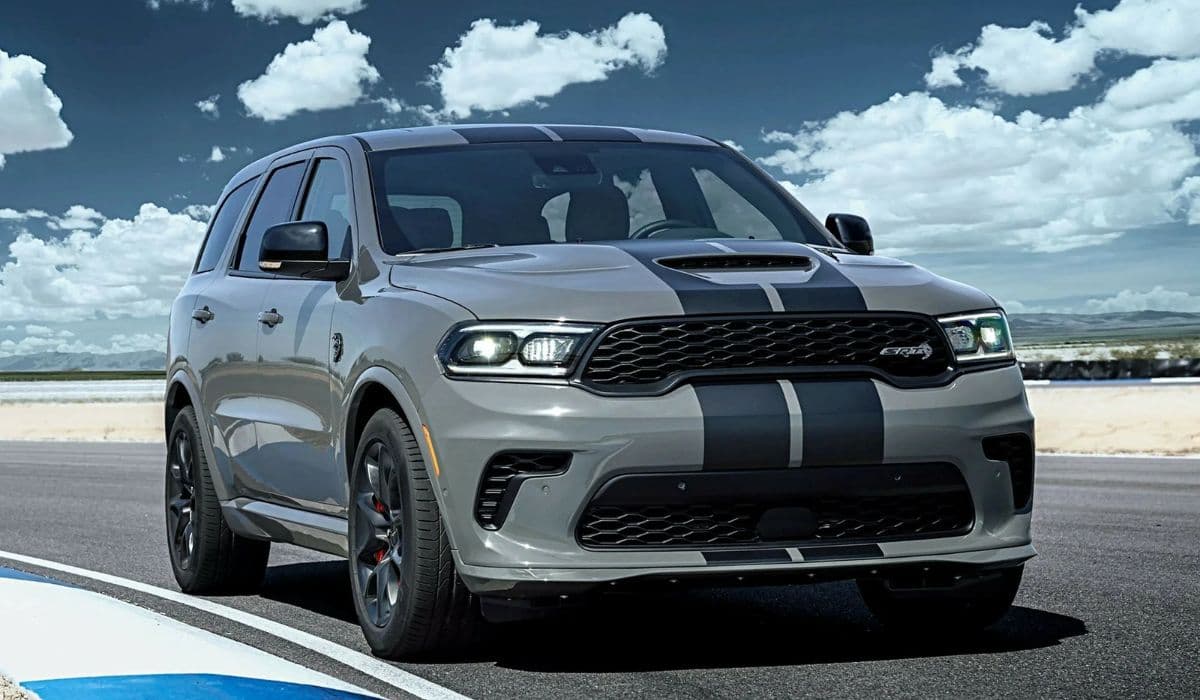
Last V8 muscle SUV worth it - Dodge Durango Hellcat?
11.01.2026 18:06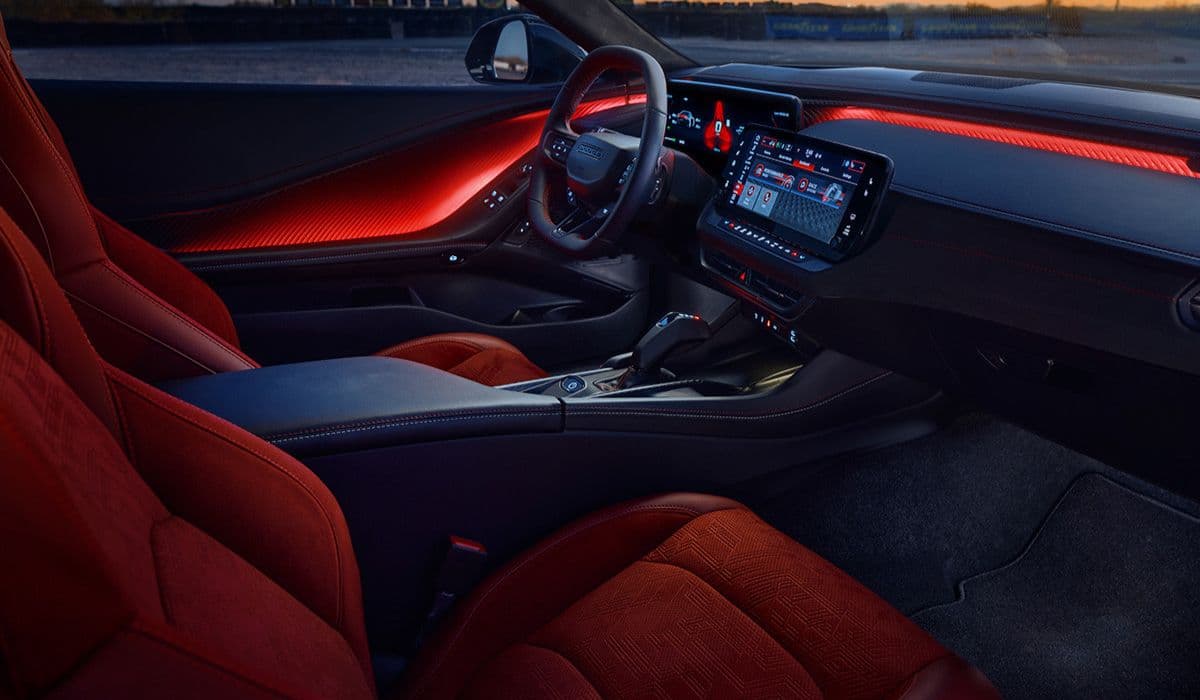
Dodge Charger: Interior upgrades and tech features
11.01.2026 17:07
Dodge muscle era end: Final thoughts on V8 lineup
11.01.2026 15:00
Dodge overall reliability: Mixed with oil leaks common
11.01.2026 13:41