
Dodge overall reliability: Mixed with oil leaks common
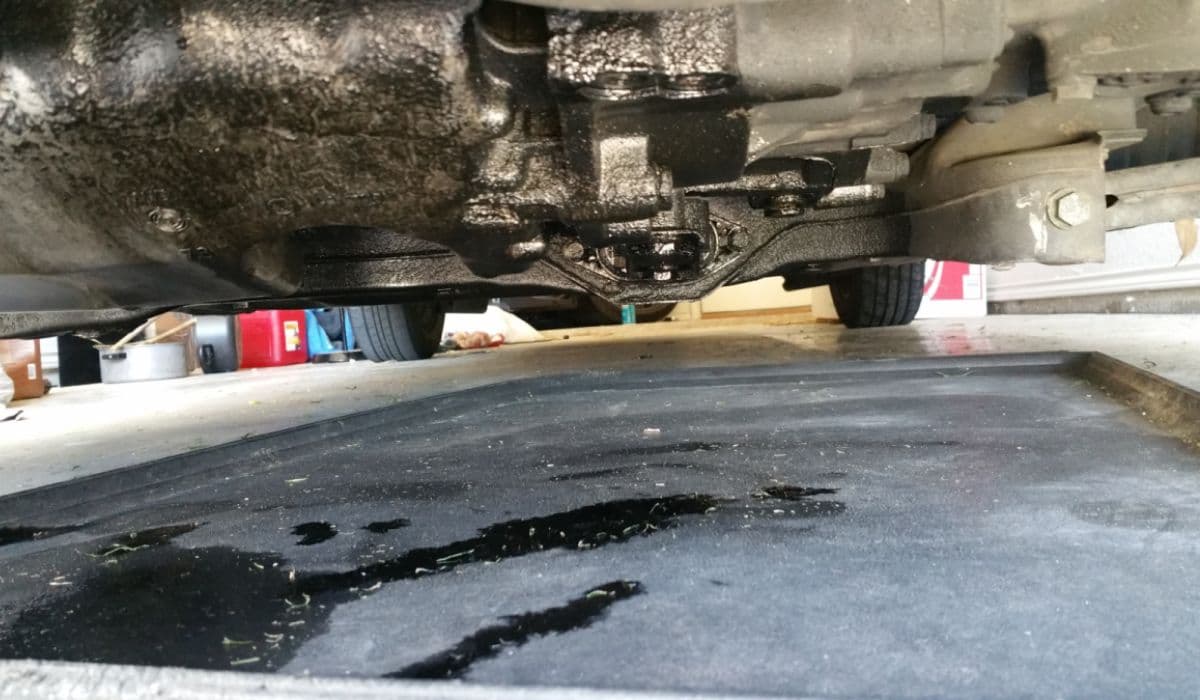
Dodge vehicles have long been celebrated for their bold performance, muscular styling, and powerful engines that deliver an exhilarating driving experience. From iconic muscle cars to rugged trucks and versatile SUVs, the brand appeals to drivers who prioritize thrill and capability. However, when it comes to overall reliability, the picture is more nuanced. Dodge scores average to above-average marks in many independent assessments, but certain recurring issues, particularly oil leaks, temper the enthusiasm for some owners.
Understanding Dodge's Reliability Landscape
Reliability ratings for Dodge as a brand often hover in the middle of the pack among automotive manufacturers. Independent sources like RepairPal give Dodge a solid midpoint score, reflecting a balance of durable components and occasional vulnerabilities. The brand ranks respectably out of dozens of makes, with many models requiring fewer unscheduled shop visits than the industry average.
What stands out is the variation across the lineup. Muscle cars like the Challenger frequently earn praise for longevity and minimal major breakdowns, especially when equipped with proven V8 powertrains. Owners report high mileage with routine care, highlighting robust transmissions and engines that hold up under enthusiastic driving. On the flip side, SUVs and minivans sometimes face more criticism due to electrical gremlins or suspension wear.
Key strengths include low frequency of severe repairs compared to some competitors.
Engines like the Hemi V8 and Pentastar V6 are often described as workhorses when maintained properly.
Many Dodge vehicles benefit from shared platforms that have been refined over years, contributing to predictable behavior.
This mixed reputation stems from Dodge's focus on performance over ultra-refined daily commuting. While not topping luxury brand charts, Dodge often outperforms expectations for American vehicles in long-term ownership surveys.
The Prevalence of Oil Leaks in Dodge Models
One of the most frequently mentioned concerns among Dodge owners is oil leaks, a issue that appears across multiple models and engine types. These leaks can range from minor seeps that leave spots on the driveway to more significant drips that require prompt attention to avoid low oil levels.
Common sources include degraded gaskets and seals exposed to high heat and pressure cycles. Valve cover gaskets harden over time, allowing oil to escape along the engine's top edges. Oil pan gaskets and timing cover seals also degrade, especially in vehicles that see varied driving conditions. In V6-equipped models, the oil filter housing or cooler assembly stands out as a notorious weak point, often developing cracks or failures that lead to noticeable leakage.
Rear main seals and intake manifold gaskets contribute in older or higher-mileage examples.
Oil cooler lines in some SUVs and trucks can weep fluid under stress.
Distributor O-rings or camshaft seals add to the list in certain configurations.
These problems tend to emerge after substantial mileage, but improper assembly or material fatigue can accelerate them. Drivers often first notice burning oil smells, low oil warnings, or visible puddles. While not unique to Dodge—many brands face similar gasket challenges—the frequency in popular models like the Ram trucks, Durango SUVs, and Charger sedans makes it a hallmark discussion point in owner forums.
Factors Contributing to Mixed Reliability
Several elements explain why Dodge reliability earns a "mixed" label. Performance-oriented designs prioritize power delivery, which can stress components more than in efficiency-focused rivals. Aggressive tuning and heavier vehicle weights amplify wear on brakes, suspensions, and drivetrains.
Electrical systems occasionally draw complaints, with infotainment glitches or sensor malfunctions appearing sporadically. Transmission behavior in some automatic setups raises eyebrows, though many units prove durable with fluid changes. Fuel system quirks, like pump failures, pop up but are not widespread catastrophes.
Positive aspects balance these out. Many Dodge powertrains, particularly the larger V8s, demonstrate impressive resilience in towing or high-performance scenarios. Chassis designs handle rough roads capably, and interior durability holds up well for family use.
Regular maintenance significantly mitigates risks, extending component life dramatically.
Shared parts across the lineup mean mechanics are familiar with repairs.
Enthusiast modifications can introduce variables that affect stock reliability perceptions.
Owners who adhere to service schedules often report satisfying long-term experiences, with vehicles surpassing high mileage thresholds without catastrophic failures.
Model-Specific Reliability Highlights
Dodge's lineup shows clear winners and areas for caution. The Challenger muscle car frequently tops internal brand reliability, with owners praising its straightforward mechanicals and minimal electronic complications. High-performance variants endure track abuse while commuting reliably.
Ram trucks earn respect for frame strength and engine torque, though suspension components and occasional exhaust manifold issues arise. Durango SUVs offer family-friendly space with capable handling, but some generations battle electrical quirks alongside the aforementioned leaks.
Sedans like the Charger share platforms with the Challenger, benefiting from similar strengths, yet face urban wear that highlights brake or steering concerns faster.
Minivans and crossovers vary, with some excelling in practicality despite gasket-related niggles.
Overall, models with fewer recent redesigns tend to score higher due to matured engineering.
This diversity means prospective buyers should research specific configurations, as engine choice and trim level influence outcomes greatly.
Tips for Maximizing Dodge Reliability
To get the most from a Dodge vehicle, proactive habits make a difference. Consistent oil changes using quality fluids prevent many leak escalations and preserve engine health. Monitoring for early drip signs allows timely gasket replacements before major contamination occurs.
Addressing recalls promptly and inspecting undercarriage components during tire rotations catches potential problems. Using genuine or high-quality aftermarket parts for repairs maintains integrity.
Drive moderately when cold to reduce seal stress.
Keep cooling systems flushed to avoid overheating that accelerates degradation.
Track fluid levels regularly, especially in leak-prone areas.
Enthusiasts who embrace Dodge's character while committing to upkeep often find the trade-offs rewarding, enjoying performance that outweighs occasional inconveniences.
Dodge delivers a distinctive blend of excitement and utility, with reliability that rewards attentive ownership. While oil leaks and other quirks contribute to a mixed reputation, the brand's strengths in powertrain durability and driving engagement keep loyal fans coming back.
More from Dodge

Dodge infotainment: Uconnect system ease of use
11.01.2026 20:09
Last V8 muscle SUV worth it - Dodge Durango Hellcat?
11.01.2026 18:06
Dodge Charger: Interior upgrades and tech features
11.01.2026 17:07
Dodge muscle era end: Final thoughts on V8 lineup
11.01.2026 15:00
Dodge ownership: High fun factor vs maintenance costs
09.01.2026 17:57