
Dodge ownership: High fun factor vs maintenance costs
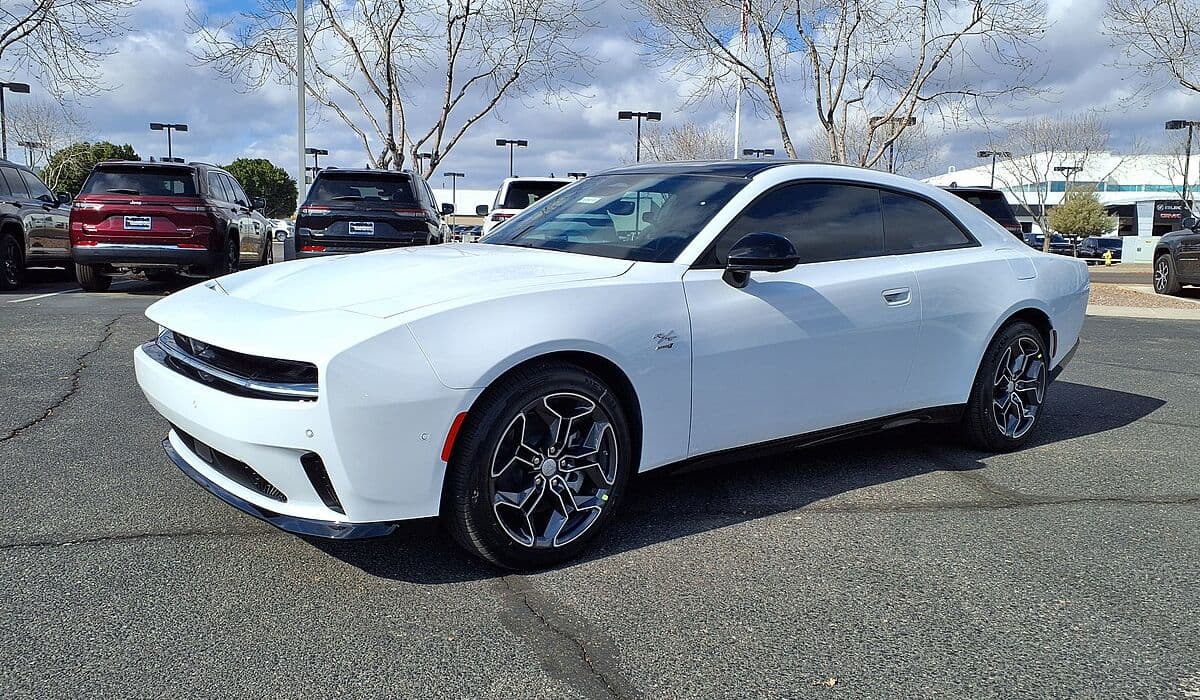
Owning a Dodge can feel like having a ticket to endless driving excitement. From the growl of a V8 Hemi to the aggressive styling of a Challenger or Charger, these cars deliver a raw, unfiltered fun factor that many owners say is worth every headache. But the flip side is real: maintenance costs and reliability concerns can catch owners off guard. Let’s break down what it’s actually like to live with a Dodge long-term.
The Thrill That Keeps Owners Hooked
Dodge vehicles are built to provoke emotion. Whether it’s a muscle car, a performance SUV, or even a rugged Ram truck, the brand prioritizes driver engagement.
Here’s what owners consistently praise:
Instant power delivery – especially with the Hemi V8 or supercharged Hellcat engines
Distinctive exhaust note – deep, aggressive, and unmistakably Dodge
Bold styling – wide stance, menacing grille, and muscular lines turn heads
Handling character – playful rear-wheel-drive dynamics (especially in Challenger/Charger)
Straight-line performance – 0–60 times that still impress even in 2025
Community vibe – active Dodge owner groups, car meets, and online forums
Many owners admit they bought their Dodge not because it was the most practical choice, but because it made them smile every time they turned the key.
Where Maintenance Costs Start to Add Up
While the fun is undeniable, Dodge ownership often comes with higher-than-average running costs. The reasons are tied to design choices and performance focus.
Common pain points include:
Premium fuel requirement on most V8 models
Thirsty engines – real-world fuel economy often falls below 15 mpg in city driving
Wear on performance components – brakes, tires, and suspension parts wear faster due to high power
Transmission sensitivity – especially on older automatic units under hard acceleration
Electrical gremlins – occasional issues with infotainment, sensors, or wiring harnesses
Higher parts prices – Dodge-specific components (e.g., SRT brakes, Hemi parts) cost more than mainstream equivalents
These factors don’t affect every owner equally. Gentle daily drivers report manageable expenses, while enthusiasts who push their cars hard see costs climb quickly.
Real-World Ownership Experiences
Owners tend to fall into three camps when discussing costs vs enjoyment:
Enthusiast owners They accept high costs as part of the hobby. Regular track days, burnouts, and spirited driving lead to frequent brake jobs, tire replacements, and occasional transmission repairs. For them, the adrenaline is worth it.
Daily-driver owners They use the car for commuting and errands. These owners often choose V6 models or naturally aspirated V8s and drive conservatively. They report costs that are higher than a Honda or Toyota but still predictable if maintenance is done on schedule.
Modified owners Aftermarket upgrades (tunes, intakes, exhausts, suspension) can dramatically increase repair bills when something goes wrong. A poorly installed part or mismatched tune often leads to costly fixes.
How to Keep Costs Under Control
Smart ownership decisions can make a big difference in the long run.
Proven strategies include:
Stick to the factory maintenance schedule – especially oil changes and transmission fluid
Use high-quality synthetic oil and OEM or trusted aftermarket filters
Avoid constant full-throttle launches and burnouts on public roads
Invest in good tires early – cheap tires wear out fast and compromise safety
Keep up with cooling system maintenance (radiator, water pump, thermostat)
Join Dodge forums to learn common failure points and preventive fixes
Buy from owners who kept detailed service records
Consider an extended warranty for high-performance models (if still available)
Regular care and moderate driving habits can turn a potentially expensive car into a reasonably affordable one.
Which Dodge Models Are the Most Forgiving?
Not all Dodges are created equal when it comes to maintenance costs.
Generally easier to own:
Challenger/Charger with 3.6L V6 – better fuel economy, cheaper parts, fewer transmission issues
Ram 1500 with 3.6L V6 or EcoDiesel – solid reliability reputation when properly maintained
Durango with 3.6L V6 – shares many components with more mainstream Chrysler products
Higher-maintenance territory:
Hellcat / Redeye / Demon variants – extreme wear on every component
SRT models with adaptive suspension – expensive shocks and electronics
Older Hemi models (pre-2011) – known for MDS lifter and camshaft issues
The Emotional Math: Is It Worth It?
When asked if they’d buy their Dodge again, most owners say yes — even those who’ve spent thousands on repairs. The reason is simple: few cars deliver the same visceral rush.
Here’s how many owners rationalize it:
“I could drive a boring sedan and save money, but I’d be miserable every day.”
“The smile I get every time I drive it is worth the extra $800–$1,200 a year.”
“It’s cheaper than a divorce from a spouse who hates a quiet car.”
“I’d rather have a paid-off Challenger with occasional repair bills than a new Camry that puts me to sleep.”
For many, Dodge ownership isn’t about minimizing costs. It’s about maximizing joy per mile.
Final Thoughts on Living with a Dodge
Dodge vehicles remain one of the few remaining choices for drivers who crave character over clinical efficiency. The fun factor — that combination of sound, power, and attitude — is hard to replicate. Maintenance costs are undeniably higher than average, but they’re also very manageable with realistic expectations and responsible ownership.
If you’re considering a Dodge, ask yourself one question: how much is driving excitement worth to you? For thousands of owners, the answer is clear — it’s worth every penny.
More from Dodge

Dodge infotainment: Uconnect system ease of use
11.01.2026 20:09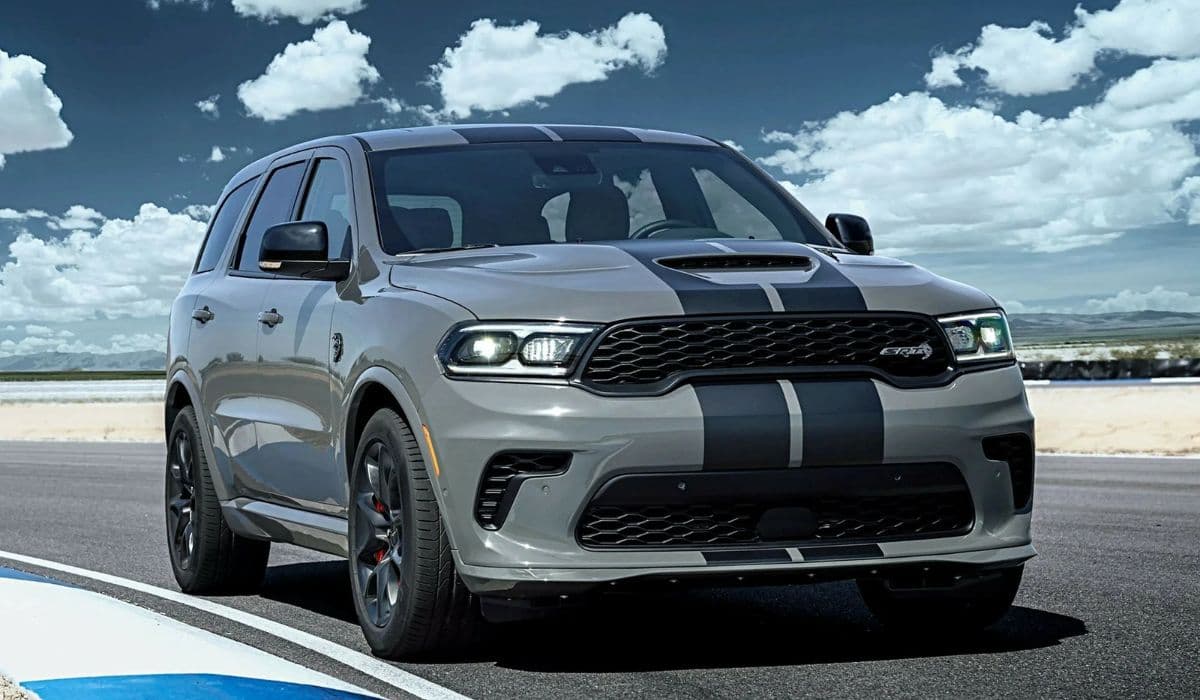
Last V8 muscle SUV worth it - Dodge Durango Hellcat?
11.01.2026 18:06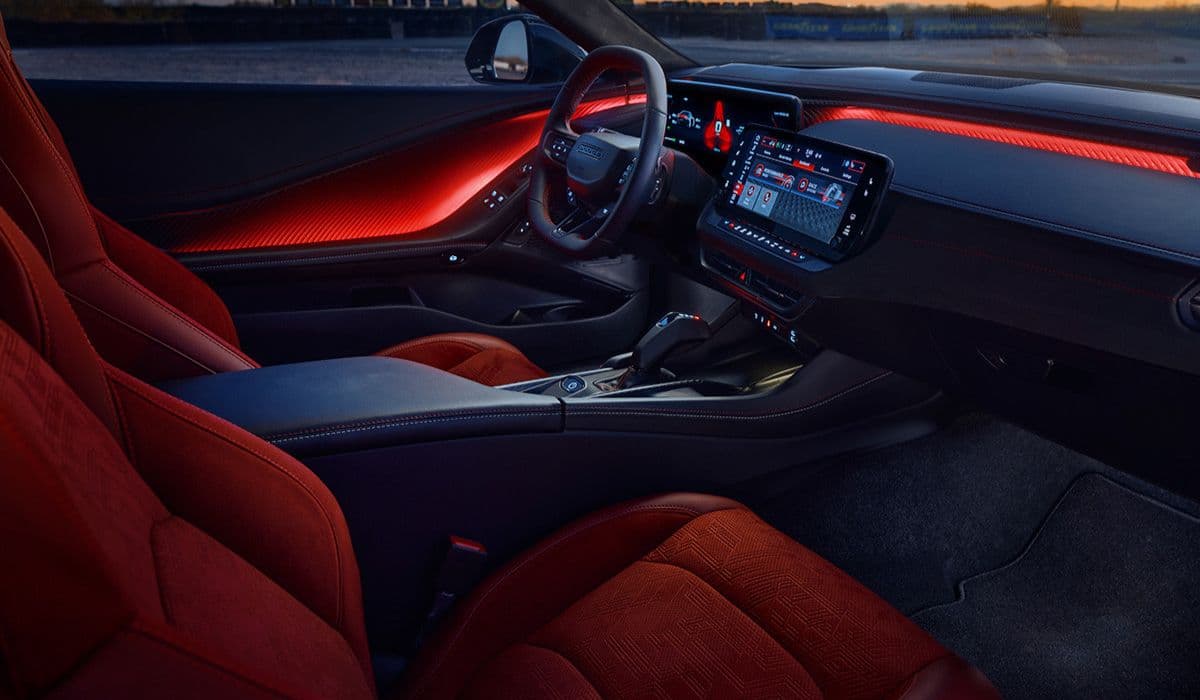
Dodge Charger: Interior upgrades and tech features
11.01.2026 17:07
Dodge muscle era end: Final thoughts on V8 lineup
11.01.2026 15:00
Dodge overall reliability: Mixed with oil leaks common
11.01.2026 13:41