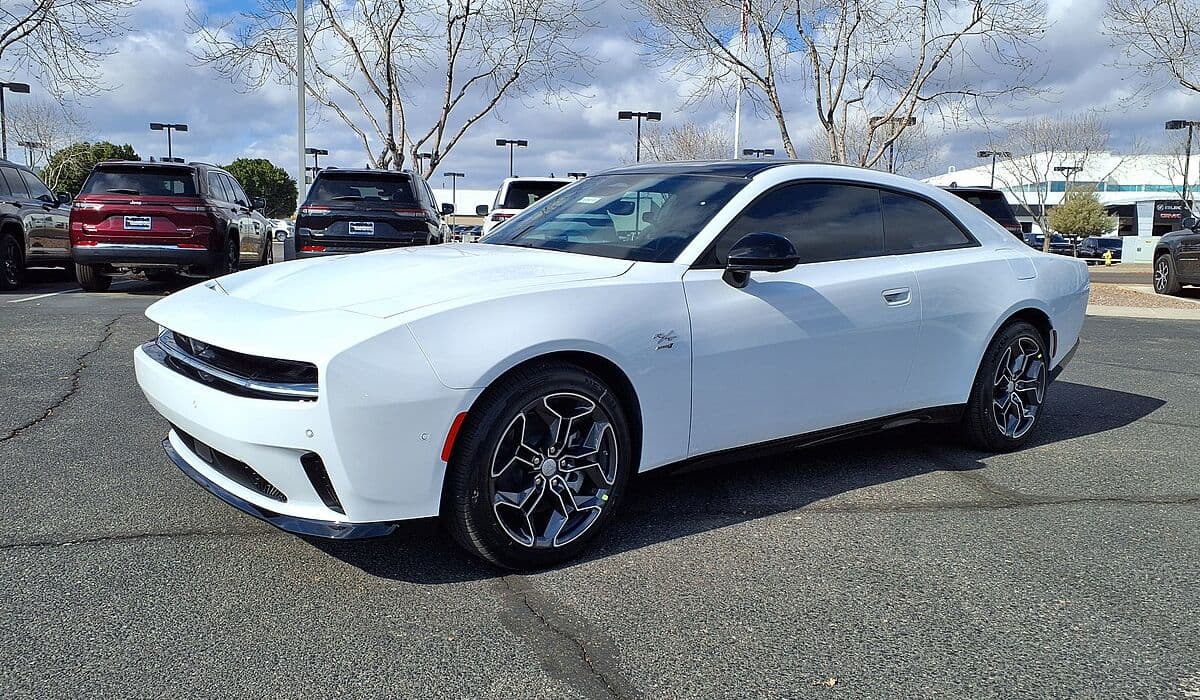
Fuel economy in hybrid vs gas models: Dodge Hornet

The Dodge Hornet stands out in the compact crossover segment by offering two distinct powertrain options: a traditional gasoline engine in the GT trim and a plug-in hybrid electric vehicle (PHEV) system in the R/T variants. Fuel economy plays a pivotal role for many buyers, especially in a market where efficiency can significantly impact long-term ownership experience. This comparison delves into how these models perform in terms of miles per gallon, exploring official ratings, real-world performance, and the factors that influence overall efficiency.
Understanding the Powertrains
The gasoline-powered Dodge Hornet GT relies on a turbocharged 2.0-liter four-cylinder engine paired with all-wheel drive. This setup prioritizes responsive performance, delivering strong acceleration while maintaining respectable efficiency for its class.
In contrast, the Hornet R/T introduces a PHEV configuration, combining a turbocharged 1.3-liter four-cylinder with an electric motor and a battery pack. This system allows for electric-only driving, hybrid operation, or gasoline-dominant modes, providing flexibility that can dramatically alter fuel consumption depending on usage patterns.
These differing architectures set the stage for notable variations in fuel economy, with the hybrid model offering potential for superior efficiency under the right conditions.
Official EPA Fuel Economy Ratings
EPA estimates provide a standardized benchmark for comparing vehicles.
Gasoline GT model: 21 mpg city, 29 mpg highway, and around 24 mpg combined.
PHEV R/T model: Up to 32-33 miles of electric-only range, with a combined MPGe rating of 77 when accounting for both electricity and gasoline. In pure gasoline/hybrid mode after battery depletion, it achieves approximately 29 mpg combined.
The MPGe figure highlights the hybrid's advantage when regularly charged, effectively blending zero-gasoline electric miles with efficient hybrid operation. However, the gasoline model's straightforward mpg ratings make it easier to predict for drivers who rarely plug in.
Real-World Fuel Efficiency Insights
Laboratory tests don't always mirror everyday driving, where variables like traffic, weather, and habits come into play.
Highway tests have shown the PHEV maintaining around 27-31 miles on electricity alone before switching to gas, closely aligning with EPA claims. Once on gasoline, efficiency hovers near 27-29 mpg, sometimes dipping lower with aggressive driving.
The gas GT, meanwhile, often achieves close to its highway rating in cruising scenarios but can drop in city stop-and-go conditions due to the turbo engine's thirst under load.
Owners report that the hybrid's real-world gains shine brightest for short commutes:
Daily drives under 30 miles can yield effectively infinite mpg if charged overnight.
Mixed routines might average 40-50 mpg overall.
Long highway trips without charging bring it closer to the gas model's numbers.
These observations underscore how lifestyle dictates which variant truly excels in efficiency.
Factors Influencing Fuel Economy
Several elements determine how much fuel—or electricity—a Hornet consumes.
Driving style tops the list:
Smooth acceleration and anticipatory braking maximize regenerative energy in the hybrid.
Sporty inputs, while fun, reduce efficiency in both models.
Terrain and conditions also matter:
City driving favors the PHEV's electric mode and regen braking.
Highway speeds benefit the gas model's aerodynamic tuning but challenge electric range due to higher energy demands.
Temperature extremes affect batteries, potentially shortening electric range in cold weather, while the gas engine remains consistent.
Maintenance plays a role too—proper tire pressure, regular servicing, and using recommended premium fuel optimize results across the board.
Daily Commuting: Where the Hybrid Shines
For urban dwellers or those with short daily miles, the R/T's plug-in capability transforms fuel economy.
Commutes under the electric range mean arriving at work with minimal or no gasoline used.
Home charging turns electricity into "fuel," often at lower cost per mile than gas.
Even partial charging extends hybrid efficiency beyond the gas model's baseline.
This setup appeals to drivers seeking to minimize pump visits while enjoying seamless transitions between power sources.
Highway and Long-Distance Driving Considerations
Extended trips reveal a different story.
The gas GT's larger tank and consistent mpg allow for fewer stops, with predictable range over hundreds of miles.
The PHEV, with its smaller gas tank, requires more frequent refueling on pure gasoline legs. However, strategic charging at destinations can preserve electric miles for efficiency boosts.
High-speed cruising slightly favors the gas model in uncharged scenarios, though the hybrid's overall versatility keeps it competitive.
Performance and Efficiency Balance
Both Hornets deliver engaging drives, but efficiency ties into how power is deployed.
The gas model's turbo engine provides linear response, with fuel use scaling directly to throttle input.
The PHEV adds electric torque for instant boost, often reducing gasoline reliance during acceleration. Features like selectable modes—Electric, Hybrid, or Sport—let drivers tailor efficiency versus thrill.
Ultimately, the hybrid edges ahead for blended performance and economy, especially when leveraging its dual nature.
The Dodge Hornet's dual offerings cater to diverse needs, with the gas model providing reliable, no-fuss efficiency and the hybrid unlocking superior potential through electrification. Choosing between them hinges on charging access, driving patterns, and priorities—whether steady predictability or adaptable savings.
More from Dodge
Dodge infotainment: Uconnect system ease of use
11.01.2026 20:09
Last V8 muscle SUV worth it - Dodge Durango Hellcat?
11.01.2026 18:06
Dodge Charger: Interior upgrades and tech features
11.01.2026 17:07
Dodge muscle era end: Final thoughts on V8 lineup
11.01.2026 15:00
Dodge overall reliability: Mixed with oil leaks common
11.01.2026 13:41