EV transition and range concerns: Dodge Charger Daytona
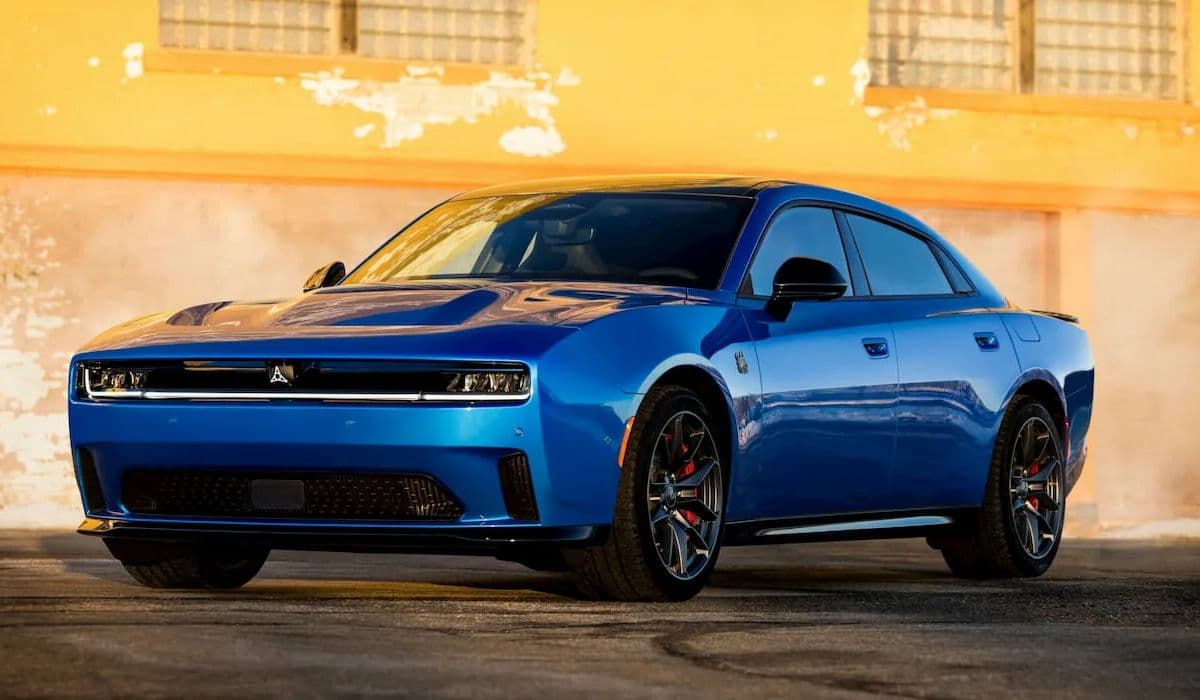
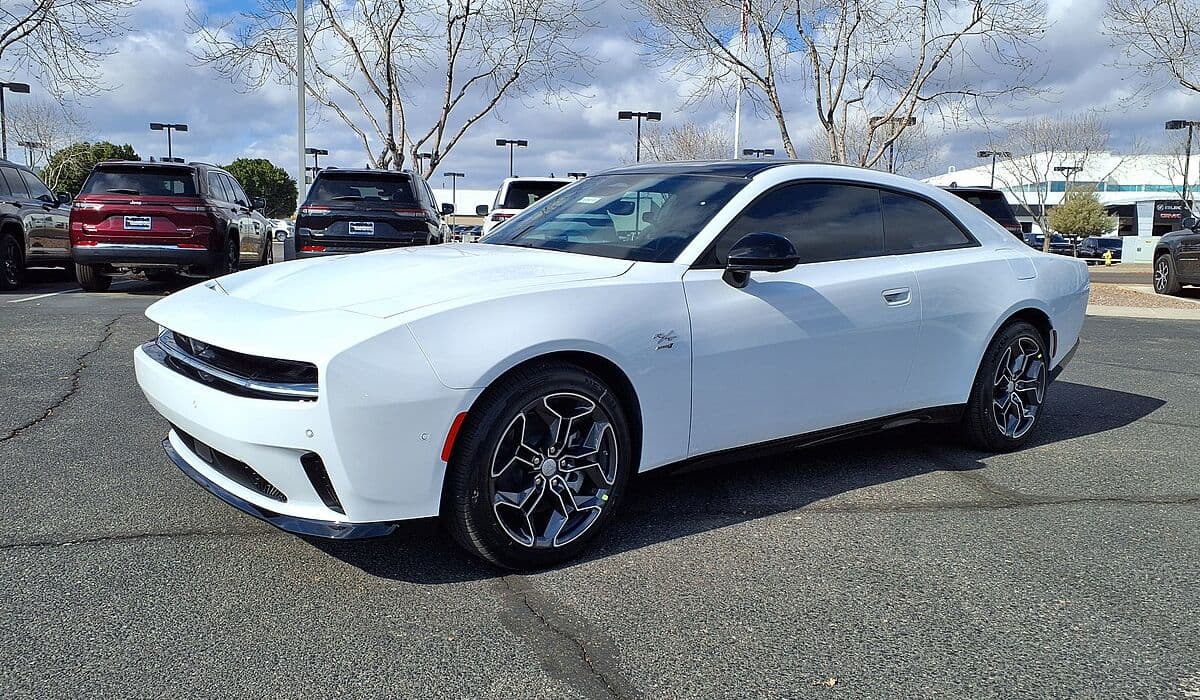
The shift toward electric vehicles represents one of the most significant transformations in automotive history. Muscle car enthusiasts, long accustomed to the thunderous roar of V8 engines, now face a new reality where performance meets electrification. The Dodge Charger Daytona stands at the forefront of this change, reimagining a legendary nameplate as a fully electric powerhouse while directly addressing one of the biggest hurdles in EV adoption: range anxiety.
The Heart of Range Concerns in the EV Era
Range anxiety remains a primary barrier for many potential EV buyers. Drivers worry about running out of charge on long trips, limited charging infrastructure in rural areas, or unexpected detours draining the battery faster than anticipated. These concerns are amplified for performance-oriented vehicles, where aggressive driving styles can significantly impact efficiency.
Traditional internal combustion muscle cars offered the convenience of quick refueling and extended highway ranges with minimal planning. Electric alternatives must overcome these ingrained expectations while delivering comparable or superior real-world usability. Manufacturers are responding with advanced battery technologies, smarter energy management systems, and innovative features designed to extend usable range without compromising the driving thrill.
How the Dodge Charger Daytona Tackles Range Challenges
The Charger Daytona approaches range concerns through a combination of engineering sophistication and practical design choices that prioritize driver confidence.
Larger battery packs provide substantial energy reserves capable of supporting both daily commutes and extended journeys
Advanced thermal management systems maintain optimal battery temperature, preserving efficiency in extreme weather conditions
Regenerative braking settings allow drivers to customize energy recapture, extending range during spirited driving
Aerodynamic optimizations reduce drag, contributing to better highway efficiency without sacrificing the aggressive muscle car stance
These elements work together to deliver a vehicle that feels familiar to traditional muscle car owners while offering the benefits of electric propulsion.
Performance That Doesn't Compromise Range
One of the most impressive aspects of the Charger Daytona lies in its ability to maintain exhilarating performance while managing energy consumption intelligently.
The instant torque delivery characteristic of electric motors provides explosive acceleration that surpasses many traditional V8 counterparts. Yet the powertrain management system balances this performance with efficiency, ensuring that enthusiastic driving doesn't dramatically reduce range. Multiple drive modes allow drivers to choose between maximum performance and extended range settings, giving control over how the vehicle uses its energy reserves.
The chassis tuning and weight distribution further enhance efficiency. Despite the substantial battery pack, engineers have positioned it to lower the center of gravity, improving both handling and energy usage through better stability and reduced need for corrective steering inputs.
Real-World Range Considerations
Understanding actual range requires looking beyond laboratory figures to everyday driving scenarios.
Highway cruising at legal speeds often yields the best efficiency, where aerodynamic design and consistent speeds allow the vehicle to stretch its range furthest. City driving benefits from frequent regenerative braking opportunities, potentially extending range beyond highway figures in stop-and-go traffic.
Weather plays a significant role, with cold temperatures reducing range through increased cabin heating demands and battery efficiency losses. The Charger Daytona's preconditioning capabilities allow drivers to warm the battery and cabin while still connected to charging, preserving range for the actual drive.
Charging Strategies for Muscle Car Owners
The transition to electric ownership involves developing new habits around energy management rather than fuel stops.
Home charging provides the most convenient and cost-effective solution for daily needs
Strategic planning around available fast-charging networks turns long trips into manageable adventures
Understanding peak charging speeds helps maximize time efficiency during stops
Utilizing navigation systems that incorporate charging station locations reduces planning stress
These approaches transform what might seem like limitations into routine aspects of ownership that many drivers quickly adapt to.
The Future of Muscle Cars in an Electric World
The Dodge Charger Daytona demonstrates that electric propulsion can enhance rather than diminish the muscle car experience. Silent acceleration becomes addictive in its own way, with instantaneous power delivery creating a different but equally compelling driving sensation.
As battery technology continues to advance and charging infrastructure expands, range concerns will gradually diminish. Current solutions already provide practical usability for most driving needs, while preserving the soul of American muscle performance.
The Charger Daytona proves that the EV transition doesn't require sacrificing excitement or capability. Instead, it offers a new interpretation of performance that maintains the rebellious spirit of muscle cars while embracing sustainable propulsion. For enthusiasts willing to embrace this evolution, the electric muscle car era delivers both thrilling driving and practical daily usability.
More from Dodge
Dodge infotainment: Uconnect system ease of use
11.01.2026 20:09
Last V8 muscle SUV worth it - Dodge Durango Hellcat?
11.01.2026 18:06
Dodge Charger: Interior upgrades and tech features
11.01.2026 17:07
Dodge muscle era end: Final thoughts on V8 lineup
11.01.2026 15:00
Dodge overall reliability: Mixed with oil leaks common
11.01.2026 13:41