2.3L EcoBoost Mustang High-Mileage Reliability: What Really Happens After 100,000+ Miles
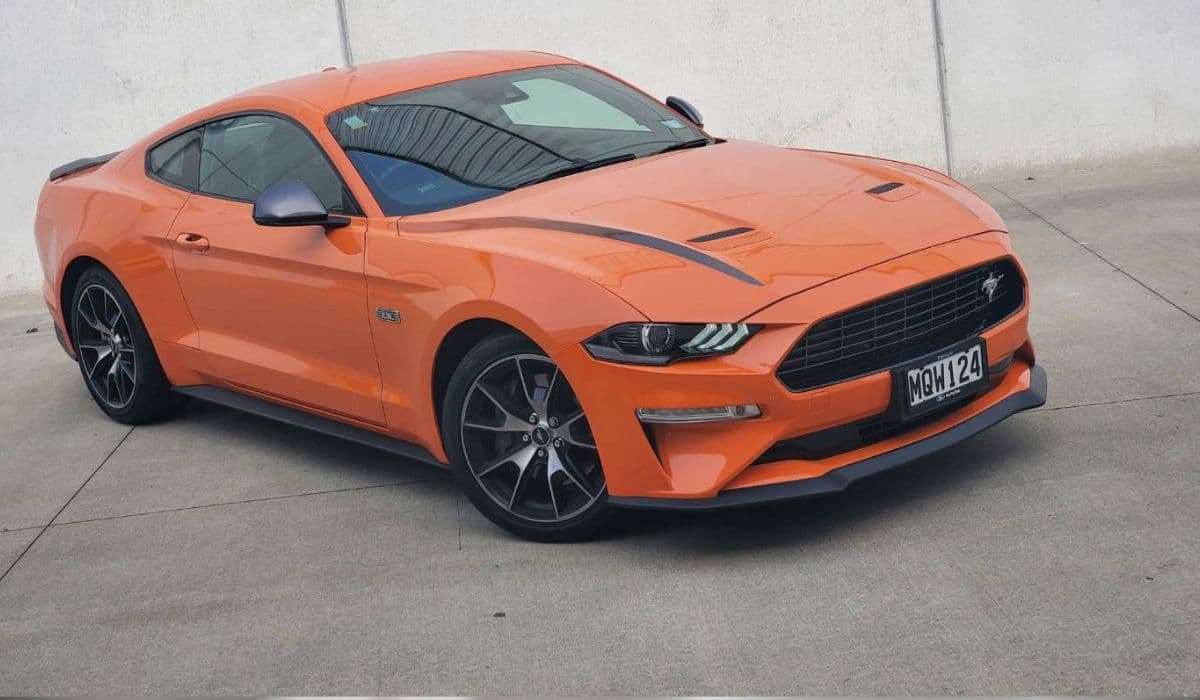
The 2.3L EcoBoost four-cylinder debuted in the S550 Mustangs in 2015 and has since powered hundreds of thousands of cars worldwide. Now, with many examples crossing 150,000–300,000 miles, real long-term data from owners, fleet records, and independent shops has emerged. Here’s the unfiltered picture of what holds up, what breaks, and how expensive it gets when the odometer rolls past six figures.
Bottom-End Engine Durability
The 2.3L long-block itself is remarkably stout. Forged crankshaft, forged connecting rods (same as the Focus RS), and a closed-deck block with iron sleeves give it legitimate 600+ hp capability with just bolt-ons and E85. In stock form, complete catastrophic bottom-end failures are extremely rare below 250,000 miles unless the engine was chronically detonated or starved of oil. Most 200,000+ mile teardowns show minimal ridge wear and original crosshatch still visible in the cylinders.
Head Gasket Longevity
The multi-layer steel head gasket almost never blows externally, but coolant seepage into cylinder #4 is the most common failure mode between 140,000–180,000 miles, especially on 2015–2017 cars that were tuned early in life. Ford revised the gasket in 2018 (part suffix -C) and the updated gasket rarely leaks even at 300,000 miles.
Timing Chain and Guides on Early 2015–2016 Builds
The original plastic timing chain guides were prone to cracking, leading to chain slap and occasional jumped timing. Ford superseded to stronger nylon-reinforced guides in late 2016 production. 2015–early 2016 cars with original guides frequently need the full timing job by 120,000–150,000 miles. Post-2017 cars almost never have this issue.
Turbocharger Life Expectancy
The stock BorgWarner K03 lasts 90,000–160,000 miles in daily-driven cars. Wastegate rattle starts around 80,000 miles and seized actuators are common by 120,000. Complete turbo failure (spun bearing, cracked housing) usually happens 130,000–180,000 miles. Many high-mileage owners simply upgrade to an Xona Rotor, Precision, or even a rebuilt Focus RS turbo instead of replacing with another fragile stock unit.
Carbon Buildup on Intake Valves
Because the 2.3L is direct-injected only (no port injection until the 2024 refresh), walnut blasting is required every 60,000–90,000 miles if you want to avoid misfires and low compression. Shops report 150,000-mile engines with 30–40% airflow loss across all valves if never cleaned.
High-Pressure Fuel Pump (HPFP) Internals
The cam-driven HPFP follower wears aggressively. Ford revised the roller in 2018, but even the newer design needs replacement every 100,000–130,000 miles on tuned cars. Symptoms include long cranking, code P0087, and fuel rail pressure drop-off above 5,500 rpm.
Plastic Coolant Components Nightmare
The plastic coolant T-connector behind the engine, turbo coolant and oil feed/return lines, and water-pump outlet pipe become brittle and crack. Coolant leaks onto the transmission bellhousing at 100,000–140,000 miles are almost guaranteed on untouched cars. Most owners replace everything with aluminum or Mishimoto silicone/metal upgrades during the first major coolant service.
PCV System and Oil Separator Failure
The factory crankcase breather plate warps and the internal diaphragm tears, causing massive oil consumption (1 quart per 800–1,200 miles) and oil in the charge pipes. Revised separator (2019+) helps but still fails by 180,000 miles. Rear main seal seepage almost always accompanies a failed separator.
Transmission Behavior in 10R80-Equipped 2018+
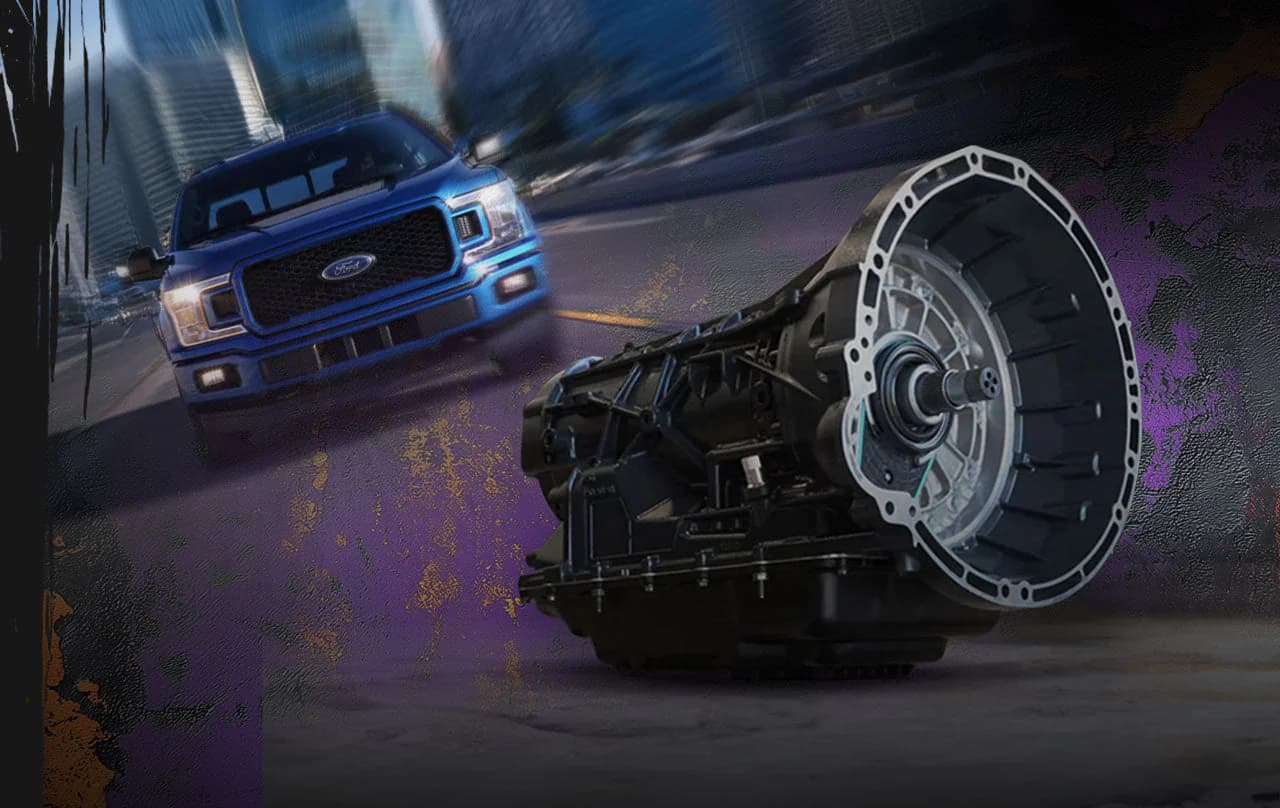
The 10-speed automatic holds up well to 400–500 whp daily driving. The most common failure is the torque converter clutch material shedding around 120,000–160,000 miles, causing shudder and codes P2758/P07A5. A revised TCC and multiple fluid flushes usually fix it permanently. Manual-swapped or MT-82 cars rarely have transmission issues beyond clutch wear.
Rear Differential and Axle Seals
The 3.55 or 3.73 limited-slip 8.8" rear leaks from the axle seals and pinion seal by 120,000 miles, especially if the car has seen drag strip launches. Whining from the ring-and-pinion starts around 200,000 miles on cars that were never serviced.
Suspension and Steering Rack Longevity
Front lower control arm rear bushings tear by 80,000–110,000 miles, causing clunks. Inner and outer tie rods wear quickly if the car is lowered. The electric power steering rack develops the infamous “morning sickness” (stiff steering when cold) around 140,000–180,000 miles and costs $2,000+ to replace.
Real-world examples: several 2015–2016 daily-driven Mustangs have crossed 300,000 miles with only the typical turbo, HPFP, and coolant part replacements. Tuned drag cars rarely make it past 100,000 miles without an engine refresh. Highway commuters with meticulous maintenance (oil changes every 5,000 miles, walnut blasting every 70,000) regularly surpass 250,000 miles on the original long-block and head gasket.
Bottom line: the 2.3L EcoBoost is one of the toughest modern four-cylinders when stock or mildly tuned conservatively and maintained properly. Budget $3,000–$6,000 between 100,000 and 200,000 miles for the common proactive repairs (turbo, timing components if early build, coolant hard parts, walnut blasting, HPFP) and the car will run virtually forever.
More from Ford
2024–2025 Ford Ranger Raptor Engine Specs and Real-World Tuning Potential
08.12.2025 04:55
3.0L Power Stroke Diesel Engine Problems (2020–2024 F-150)
06.12.2025 15:58
6.2L Boss V8 Engine Reliability in 2011-2016 Ford F-250 Super Duty: Long-Term Owner Experience
06.12.2025 13:37
Most Common Issues with 4th Generation Ford F-150 (2021-Present)
06.12.2025 11:00
Best F-150 Engine Ever Made – Definitive Ranking
06.12.2025 09:54