Best F-150 Engine Ever Made – Definitive Ranking
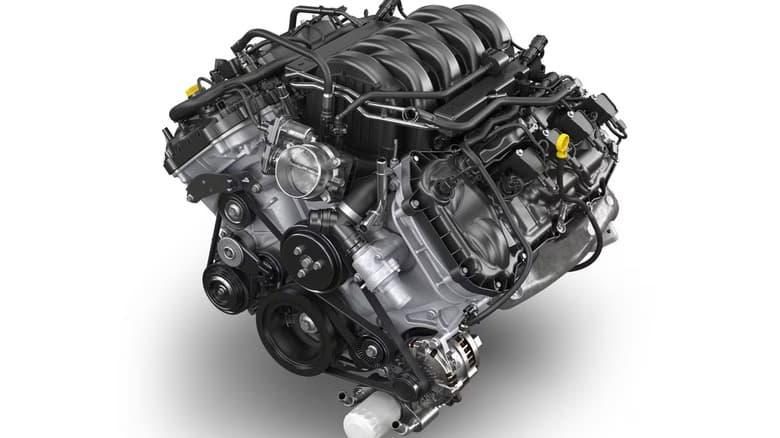
Ford has built dozens of F-150 engines since 1948. Only a handful truly deserve legendary status. This is the no-nonsense ranking based purely on real-world durability, repair costs, parts availability, high-mileage survivors, and what mechanics and million-mile fleet owners actually swear by.
1. 4.6L 2V Modular V8 (1997-2010)
The king. Nothing comes close. This simple SOHC two-valve per cylinder engine is the greatest truck engine Ford ever produced. Over 10 million were built, and they still refuse to die. Timing chains rarely stretch before 400,000 miles, heads never crack, intakes don’t leak, and the bottom end laughs at neglected oil changes. Spark plugs almost never break, intake manifolds were plastic but cheap to replace when they finally crack. You can buy a complete running long block at any junkyard for under $300 and bolt it in an afternoon. Million-mile police Crown Vics and countless work trucks prove it daily. Zero weak points, zero excuses. The undisputed champion.
2. 5.4L 2V Modular V8 (1997-2004 early)
Same basic architecture as the 4.6L but with two extra cylinders and a little more power. Still uses the strong Romeo/Windsor block, same bulletproof bottom end, same easy-to-work-on layout. Early versions avoided the terrible three-valve headaches entirely. They tow hard, run forever on 87 octane, and rarely leave anyone stranded. The only reason it’s not #1 is because it drinks slightly more fuel and the extra two cylinders mean two more coils and injectors to eventually replace.
3. 5.0L Coyote V8 (2011-present)
The best modern naturally aspirated engine Ford has ever put in an F-150. Smooth, powerful, loves to rev, and the 2013+ versions fixed almost every early quirk. Timing chain guides last 250,000+ miles with good oil, cam phasers are noisy but rarely grenade the engine, and the aluminum block shrugs off overheating better than the old iron ones. Hundreds of examples are already past 400,000 miles with original internals. No turbos, no direct-injection carbon nightmares, no boost-related drama. It just works—and sounds incredible doing it.
4. 300 Inline-Six (1965-1996)
The indestructible straight-six. Cast-iron everything, pushrods, seven main bearings, and a reputation that made farmers and contractors keep them until the frames rusted out from under them. You could run one low on oil, overheat it pulling stumps, and it would still fire up the next morning. Power was modest, but reliability was biblical. Parts are still everywhere and cheap.
5. 7.3L Power Stroke Diesel (1994-2003)
The most bulletproof diesel Ford ever offered in a pickup. Injectors, turbos, and high-pressure oil pumps last practically forever if you change fuel filters and avoid bad fuel. The engine itself routinely hits 500,000-800,000 miles in commercial service. No DEF, no DPF, no electronics nightmare—just raw mechanical simplicity with massive torque. Downside: expensive to feed and everything around it eventually rusts or wears out, but the engine itself refuses to quit.
6. 5.4L 3V Triton V8 (2004-2010)
Yes, it has cam phaser knock, broken spark plugs, and manifold leaks. Yes, repairs hurt. But when maintained (oil changes every 5,000 miles, plugs every 60,000), many still cross 300,000 miles without opening the engine. The bad reputation comes from owners who ignored it. Treat it right and it rewards you. Treat it wrong and it punishes you hard.
7. 3.5L EcoBoost V6 (2011-present)
An engineering masterpiece that redefined truck performance. Insane torque, great fuel economy when babied, tows like a diesel. But long-term reality hurts: timing chains stretch, turbos fail, carbon buildup requires expensive cleaning, coolant leaks into cylinders on early ones. With religious maintenance and perfect driving conditions they can last 300,000+ miles. Most don’t get that care. Brilliant when new, expensive when old.
8. 302 Windsor V8 (1968-1996)
Tough little pushrod V8 that powered generations of F-150s. Simple, cheap to fix, decent power for its era. Never the strongest or most efficient, but almost never left anyone on the side of the road.
The rest—4.2L V6, 3.8L V6, early 4.6L 3V, 6.2L Boss, 2.7 EcoBoost, 3.3 V6, etc.—are perfectly fine engines. Some are quick, some are efficient, some are smooth. None combine the unbreakable longevity, dirt-cheap parts, and million-mile potential of the top-ranked engines above.
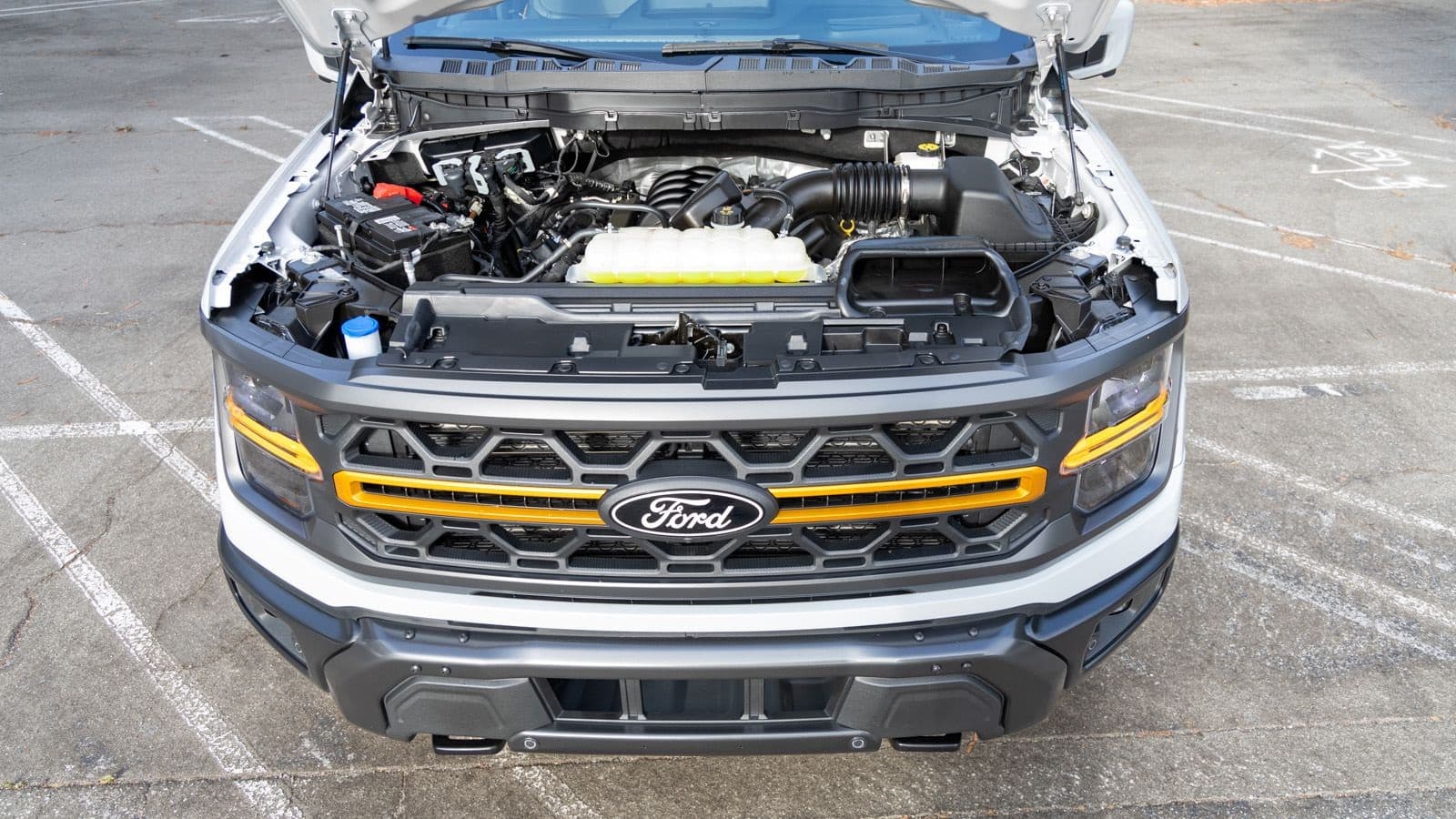
If you want the single best F-150 engine ever made for pure survivability, buy anything with a 4.6L 2V badge on the airbox. Everything else is just chasing second place.
More from Ford
6R80 vs 10R80 Transmission – Key Differences and Real-World Truths
06.12.2025 09:45
2.7 EcoBoost vs 3.5 EcoBoost – Long-Term Reliability Reality
06.12.2025 09:24
7.3 Godzilla Engine Swap into Older F-150 – The Ultimate Guide
06.12.2025 09:09
10R80 Transmission Problems in 2021+ F-150 – What 9Actually Goes Wrong
06.12.2025 09:04
Best Year for 3rd Gen Ford F-150 (2009-2014)
06.12.2025 07:09