5.0 Coyote vs 3.5 EcoBoost – Which Is Actually More Reliable?
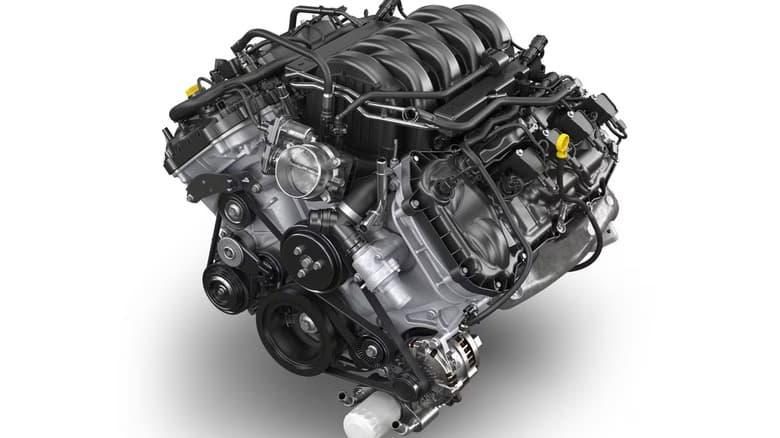
The third-generation F-150 gave buyers two legendary engines: the naturally aspirated 5.0L Coyote V8 and the twin-turbo 3.5L EcoBoost V6. Both have now been on the road long enough for hundreds of thousands of owners and independent shops to separate myth from reality. The verdict from the people who actually fix these trucks every day is clear: the Coyote is the more reliable, lower-cost engine over the long haul.
Power Delivery and Driving Feel
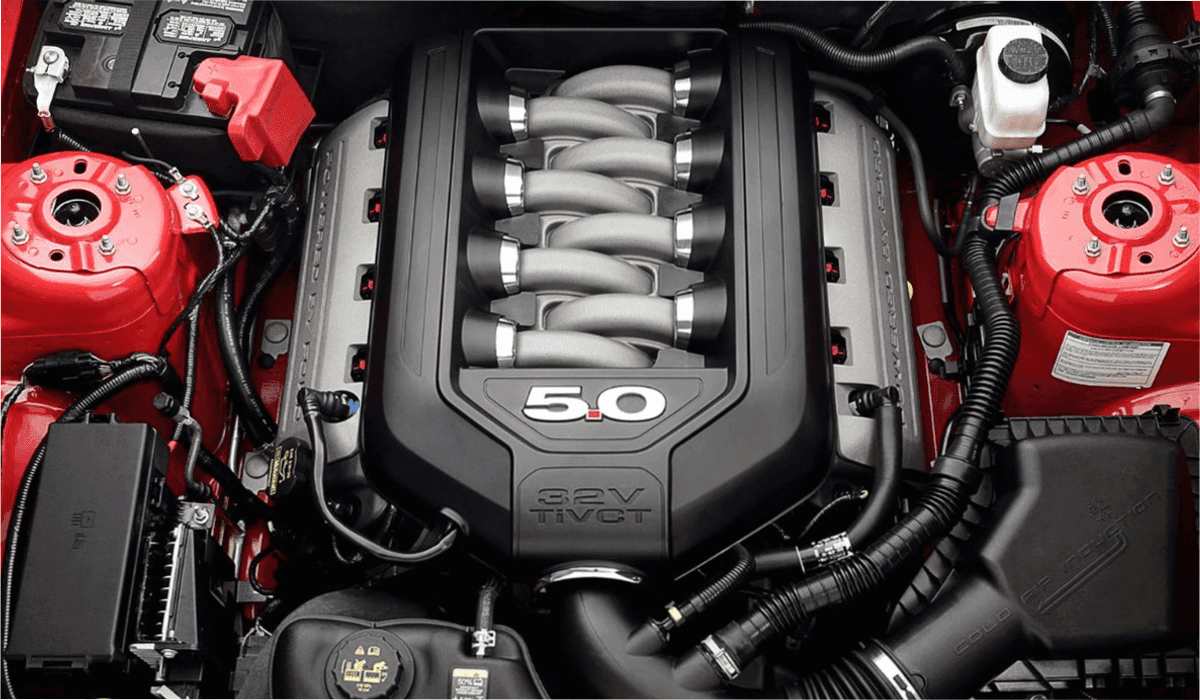
The 5.0L Coyote makes 360 hp and 380 lb-ft in its 2013-2014 tune. It’s smooth, linear, and loves to rev. There is no turbo lag, no waiting for boost—just instant throttle response and that classic V8 sound. Real-world fuel economy sits around 17-19 mpg mixed when driven normally.
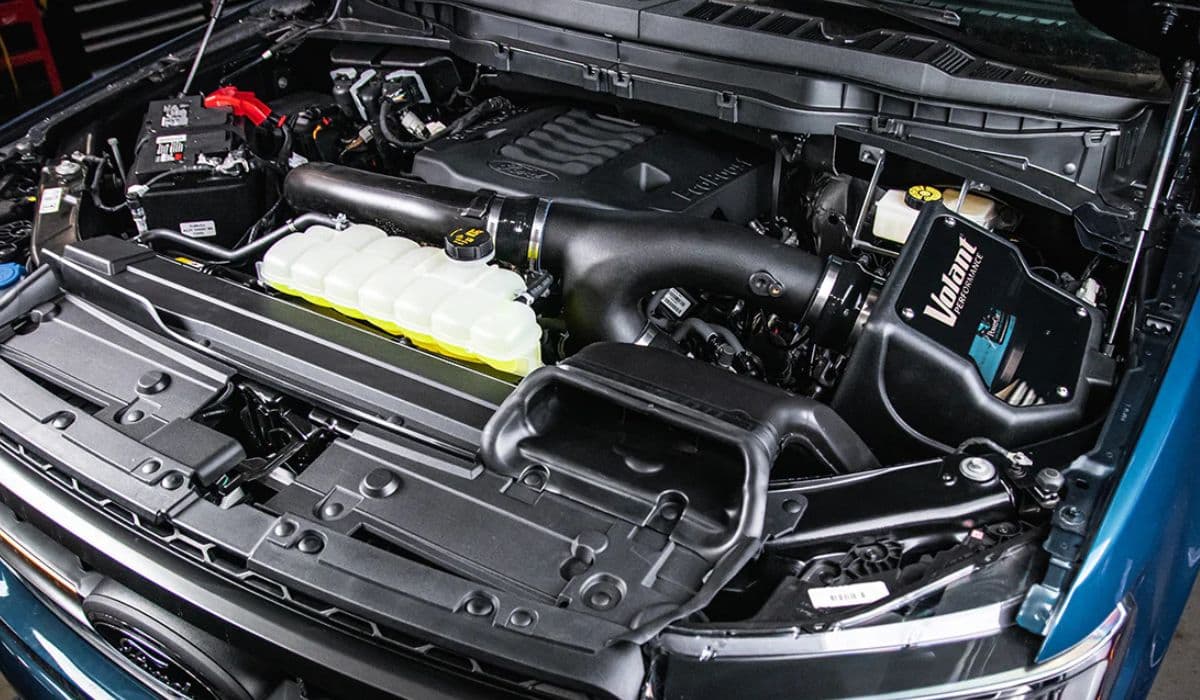
The 3.5L EcoBoost pushes 365 hp and a massive 420 lb-ft starting at just 2,500 rpm. It tows heavier (up to 11,300 lbs vs 10,000 lbs for the Coyote) and feels explosive from a stop. Fuel economy is slightly better on paper (often 18-20 mpg), but only if you stay out of boost and run 91+ octane. Step on it and the EcoBoost drinks fuel faster than the Coyote ever will.
What Actually Breaks – Real Failure Points
5.0L Coyote
Cam phaser rattle on cold start (mostly fixed by 2013, minor noise on some trucks, rarely catastrophic)
Occasional timing chain stretch after 200k miles if oil changes were neglected
Exhaust manifold cracks or broken studs (annoying but $600-800 fix)
Water pump and thermostat around 120-150k miles
Very rare valve seat drop issues on early Gen 1 heads (2011-2012); almost nonexistent in 2013-2014 trucks
Most Coyote engines that receive regular 5W-30 synthetic oil changes and basic care are still on their original bottom end at 250,000-350,000+ miles.
3.5L EcoBoost
Timing chain and phaser issues (same base engine family as the 5.0, but more reports because of higher cylinder pressure from boost)
Turbo wastegate rattle and eventual bearing failure (150k-200k miles is common)
Coolant leaks into turbos on 2011-2012 trucks, improved but still possible later
Carbon buildup on intake valves (direct injection) requiring walnut blasting every 80-100k miles
Intercooler condensation causing misfires in humid climates (mostly solved after 2013, but never 100%)
Spark plugs and coils wear twice as fast under boost; plugs can snap during removal
A full timing chain job on an EcoBoost easily runs $2,500-$3,500. Replacing both turbos adds another $2,000-$3,000. Many owners face one or both of these repairs before 200k miles.
Maintenance Reality
Coyote owners change oil every 5,000-7,500 miles with cheap 5W-30 synthetic and call it a day. Spark plugs last 100k miles and are easy to reach.
EcoBoost owners are told to change oil every 5,000 miles maximum (many do 3,000-4,000), run 91+ fuel, change plugs every 40-60k miles (three coils per side, tight access), and watch coolant levels religiously. Miss any of those steps and the turbos or timing components punish you quickly.
Longevity Winners in the Wild
Scan any high-mileage F-150 group and you’ll see far more 5.0L trucks crossing 300,000 and 400,000 miles on the original engine and turbos (because there are none). EcoBoost trucks can reach those numbers too, but almost always after major repairs—new turbos, new timing chains, or both.
Independent repair shops consistently report the Coyote as their “set it and forget it” engine in the 2013-2014 F-150 lineup. The EcoBoost is the one that keeps the service bays full.
When the EcoBoost Still Makes Sense
If you regularly tow near the truck’s max rating (8,000+ lbs) or live in mountainous areas, the EcoBoost’s low-end torque is addictive and hard to match. With religious maintenance and a good service history, plenty of them run strong past 250k miles.
For everyone else—daily drivers, light towing, weekend warriors—the 5.0 Coyote is simply the smarter, cheaper, more reliable choice.
Bottom Line
The 3.5L EcoBoost is an engineering masterpiece that transformed the full-size truck segment. The 5.0L Coyote is the engine you buy when you just want to get in, drive for fifteen years, and never think about it again.
If ultimate reliability and lowest long-term cost are the priority, the Coyote wins—hands down.