Ford 3.5 EcoBoost vs Toyota 3.5 V6 Reliability: Which Twin-Turbo V6 Lasts Longer in Real-World Use?
When comparing twin-turbo V6 engines from two heavy-hitting manufacturers, the Ford 3.5 EcoBoost and the Toyota 3.5 V6 stand out as direct rivals in the full-size truck segment. Both deliver impressive power and torque for towing, hauling, and daily driving, but the real question owners ask is about longevity under real-world conditions—high mileage, heavy loads, extreme temperatures, and inconsistent maintenance. Which one truly endures?
Understanding the Engines: Design Philosophies
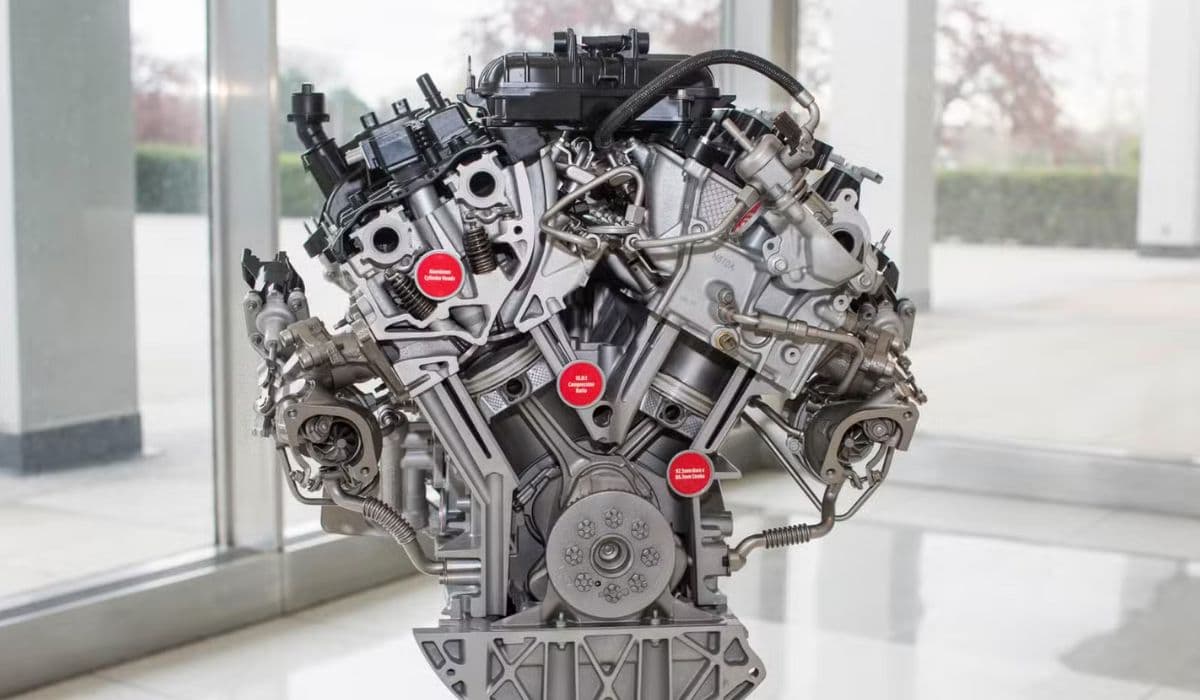
The Ford 3.5 EcoBoost is a twin-turbocharged, direct-injected V6 that prioritizes massive low-end torque and efficiency through forced induction. It has evolved through multiple generations, with significant refinements addressing early shortcomings.
The Toyota 3.5 V6, in its modern twin-turbo form (often referred to as the i-FORCE), combines turbocharging with direct and port injection for smoother power delivery and reduced lag. Toyota's approach emphasizes balanced performance with a focus on thermal management and component durability.
Both engines share aluminum construction, DOHC layouts, and advanced variable valve timing, but their turbo systems, cooling strategies, and fuel delivery differ in ways that impact long-term wear.
Common Real-World Challenges for the Ford 3.5 EcoBoost
The EcoBoost has built a strong reputation in recent iterations, especially after substantial updates that improved durability.
Timing chain stretch and related rattles often appear due to oil contamination or extended intervals, leading to noisy startups and potential misalignment if ignored.
Cam phaser failures create characteristic startup knocking until oil pressure builds, a frequent complaint in higher-mileage examples.
Turbo-related concerns include coolant line failures or oil leaks from fittings, though these tend to occur more in demanding applications like frequent towing.
Carbon buildup on intake valves from direct injection requires periodic walnut blasting or chemical cleaning to maintain efficiency.
Intercooler condensation in humid climates can cause misfires, mitigated by updated designs in later versions.
With diligent oil changes using high-quality synthetic fluid every 5,000 miles or sooner under severe use, many owners report trouble-free operation well beyond 150,000 miles. Fleet data and owner forums show the post-refresh versions ranking highly in dependability surveys for boosted V6s.
Real-World Durability of the Toyota 3.5 V6
Toyota's twin-turbo V6 benefits from the brand's conservative engineering, but it isn't immune to age-related wear.
Oil leaks from valve covers, timing covers, or coolant crossover pipes become noticeable as rubber seals degrade around 100,000+ miles.
High-pressure fuel pump issues can lead to rough running or starting problems in some cases.
Coolant pipe failures, particularly plastic components cracking under heat cycling, allow leaks that require proactive replacement.
In rare instances, early examples show piston ring sticking or cylinder scoring linked to oil control design, though updates addressed this in later builds.
Exhaust valve concerns or intake manifold flap failures appear sporadically, often tied to neglected maintenance.
The engine thrives on regular fluid services and gentle warm-up periods. High-mileage examples frequently exceed 200,000 miles with only routine repairs, reflecting Toyota's emphasis on thermal stability and robust bottom-end construction.
Head-to-Head: Factors Influencing Longevity
Several variables determine which engine pulls ahead in endurance tests.
Maintenance Sensitivity
Both demand strict adherence to service schedules, but the EcoBoost appears more sensitive to oil quality and frequency due to turbo bearings and timing components under higher stress. Toyota's setup tolerates slightly longer intervals better in moderate use.
Heat and Load Management
Turbo engines generate significant heat during towing or hard acceleration. The Ford's intercooler and oil cooling strategies have improved dramatically, reducing early overheating risks. Toyota's dual-injection helps control combustion temperatures, potentially easing stress on pistons and valves over time.
Component Complexity
The EcoBoost's twin turbos add parts that can fail (wastegates, actuators), while Toyota's design incorporates fewer potential leak points in some areas but relies on plastic coolant parts that age predictably.
Owner Experiences in Demanding Conditions
In fleet and commercial applications, both engines perform admirably when maintained. The EcoBoost often shines in torque-heavy duties, with many examples reaching high mileage without catastrophic failure after initial teething issues were resolved. Toyota examples frequently earn praise for consistent performance with fewer surprise repairs, though some newer twin-turbo variants show emerging patterns as they accumulate miles.
Which One Lasts Longer Overall?
In real-world scenarios, neither engine dominates universally—the outcome hinges on usage and care. The refined Ford 3.5 EcoBoost demonstrates exceptional durability in its latest forms, often outlasting expectations for a high-output turbo V6 when owners prioritize preventive maintenance. Toyota's 3.5 V6 counters with a smoother, more predictable wear curve, frequently delivering effortless high-mileage service thanks to proven engineering margins.
For those who tow frequently or push limits regularly, the EcoBoost's torque advantage pairs well with its evolved reliability. Drivers seeking minimal drama and the classic Toyota resilience may lean toward the Japanese V6. Ultimately, both represent modern engineering triumphs capable of 200,000+ miles with proper attention—choose based on your driving style, and commit to maintenance for the best shot at longevity.
More from Ford
Coyote Gen 4 V8 (2024-Present) – Major Changes and Upgrades in the F-150
08.12.2025 08:42
Troubleshooting and Fixing the P1450 Code on Ford F-150: Focus on the Most Common Culprit
08.12.2025 08:47
2.3L EcoBoost Mustang High-Mileage Reliability: What Really Happens After 100,000+ Miles
08.12.2025 05:04
2024–2025 Ford Ranger Raptor Engine Specs and Real-World Tuning Potential
08.12.2025 01:55
3.0L Power Stroke Diesel Engine Problems (2020–2024 F-150)
06.12.2025 15:58