Best Year Honda CR-V: 2017-2022 (5th Generation) vs 2023+ (6th Generation) – Which One Actually Wins?
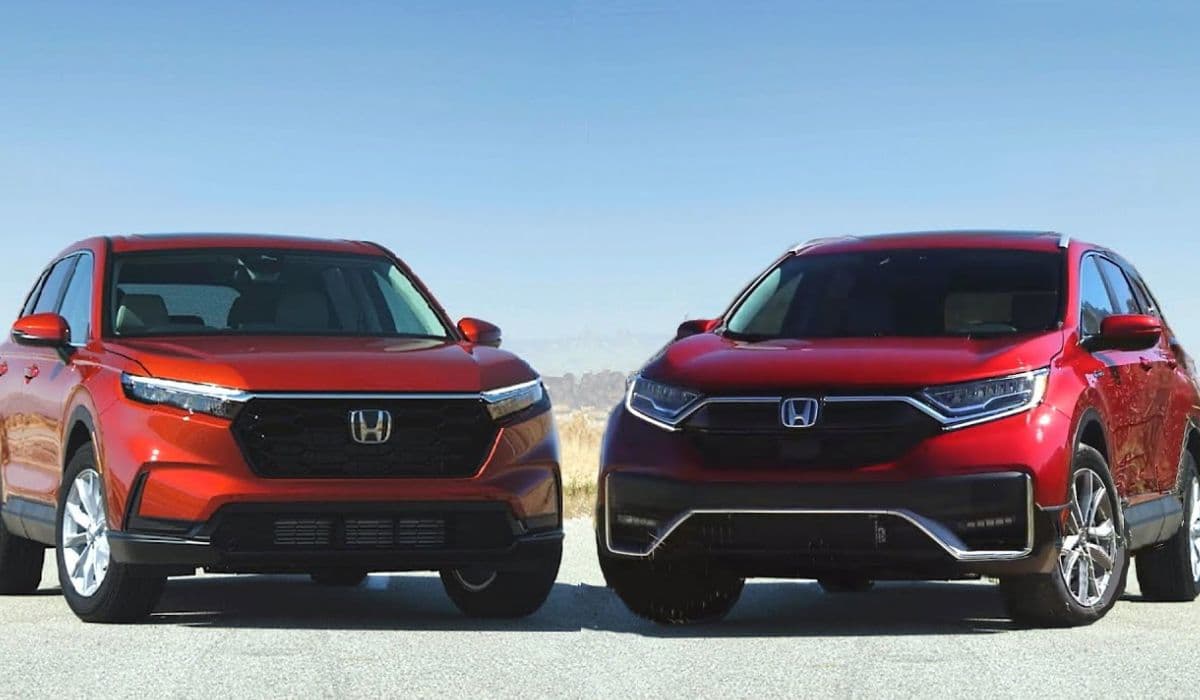
The Honda CR-V has been one of the best-selling compact SUVs in the world for decades, and choosing the right model year can save (or cost) you thousands of dollars while dramatically affecting long-term ownership experience. The real turning point came with the completely redesigned 6th-generation CR-V that arrived for the 2023 model year. Below is a deep, no-fluff comparison of the 2017–2022 fifth-generation CR-V versus the 2023-and-newer sixth-generation models across every aspect that actually matters to buyers.
Engines and Real-World Fuel Economy
The 2017–2019 CR-V offered two engines: a naturally aspirated 2.4L Earth Dreams 4-cylinder (184 hp) in base LX trims and the famous 1.5L turbo (190 hp) in EX and higher trims. Starting in 2020, Honda dropped the 2.4L entirely and made the 1.5T standard across the lineup.
The 2023+ CR-V completely abandoned the 1.5T and introduced an all-new 4th-generation 2.0L Atkinson-cycle hybrid powertrain paired with two electric motors as the volume seller (204 hp combined), while keeping a detuned 1.5T (190 hp) only for the base LX and EX front-wheel-drive models in certain markets.
Real-world fuel economy tells a very different story:
2017–2022 1.5T AWD models typically return 29–31 mpg in mixed driving
2023–2025 CR-V Hybrid AWD regularly achieves 37–40 mpg in the same conditions
Non-hybrid 2023+ 1.5T models are virtually identical in consumption to the old car (28–30 mpg)
If you drive more than 12,000 miles per year, the hybrid easily pays for its price premium in fuel savings within 4–5 years.
Reliability and Known Issues
The 2017–2022 CR-V is generally very reliable, but the 1.5L turbo has two well-documented problems:
Oil dilution (gasoline mixing with engine oil) in cold climates, leading to overfilled dipsticks and potential long-term bearing wear (mostly fixed via software updates and new oil by 2020)
Turbo coolant leaks on very early 2017–2018 builds
The 2020–2022 refresh largely solved these issues with revised piston rings, injectors, and software. Consumer Reports now gives 2021–2022 CR-V 5/5 predicted reliability.
The 2023+ CR-V Hybrid uses the same proven 2.0L hybrid system found in the Accord and Civic Hybrid with almost no major complaints so far. The only recurring issue reported on forums is occasional infotainment freezing (fixed with OTA updates) and slightly louder road noise on 19-inch wheels. Early data from owners and J.D. Power suggests the 6th-gen is at least as reliable as the late 5th-gen cars, possibly better.
Interior Space, Comfort and Materials
This is where the 2023+ CR-V pulls dramatically ahead.
The 6th generation grew significantly:
Overall length +2.7 inches
Wheelbase +1.6 inches
Rear legroom +0.6 inches (now class-leading 41.0 inches)
Cargo volume behind 2nd row: 39.3 cu ft vs 39.2 in old model (hybrid) but with a completely flat floor and lower load height
The interior quality jump is massive. The 2017–2022 dashboard used a lot of hard plastics and piano-black surfaces that scratch easily. The 2023+ model adopts the cleaner horizontal design from the 11th-gen Civic and current Accord, with honeycomb mesh hiding the air vents, perforated leather options, real metal speaker grilles on Touring, and significantly softer materials on every touch point.
Rear seat recline angle was increased, USB-C ports are now standard in the back, and the center console is enormous — easily swallowing large handbags.
Technology and Safety Features
Every 2017–2022 CR-V EX and above came with Honda Sensing (adaptive cruise, lane-keep, auto emergency braking), but the system was reactive and jerky compared to today’s standards.
The 2023+ CR-V received the new-generation Honda Sensing 360 suite with:
Wider-angle front camera and radar
Smoother adaptive cruise control with better traffic-jam behavior
Blind-spot monitoring now standard on every trim (optional on old EX-L only)
New traffic-sign recognition and driver-attention monitor
Rear seat-belt reminder and rear occupant alert
The infotainment also improved dramatically:
7-inch screen standard, 9-inch with wireless Apple CarPlay/Android Auto on higher trims (old system required cable)
Physical volume knob returns
Wireless charging pad larger and better positioned
Bose 12-speaker system available (replaces mediocre premium audio of previous Touring)
Driving Dynamics and Ride Quality
The 2017–2022 CR-V was already one of the best-driving compact SUVs, but the 2023+ model raised the bar again.
New platform is 15% stiffer torsionally, front struts and rear multilink were completely redesigned, and active noise cancellation is now standard on all hybrids. The result is a quieter cabin at highway (66 dB at 70 mph vs 69 dB in old car) and noticeably better body control in corners.
Steering feel remains light but more consistent, and the hybrid powertrain delivers instant low-end torque that makes city driving far more pleasant than the sometimes laggy 1.5T.
Trim Levels and Pricing Reality (Used vs New)
Used 2020–2022 CR-V EX-L AWD currently trade between $24,000–$29,000 with 30–50k miles.
A new 2024–2025 CR-V Sport Hybrid AWD starts around $36,000–$38,000 before negotiation.
That $10k–$12k difference buys you:
3–4 extra years of factory warranty
8-year/100k-mile hybrid battery warranty
Dramatically better fuel economy
Significantly nicer interior
Latest safety tech
Resale Value and Cost of Ownership
The 5th-gen CR-V holds value extremely well — a 2021 model retains about 68% of MSRP after 4 years. The 6th-gen is projected to do even better because of strong hybrid demand. Insurance costs are nearly identical between generations.
Maintenance is slightly cheaper on the older car (oil changes every 7,500 miles vs 10,000 on hybrid, cheaper air filters, etc.), but fuel savings on the hybrid more than offset this.
Verdict: Which Years Are Actually the Best?
Best used buy right now: 2021–2022 CR-V EX-L or Touring AWD — most issues fixed, still modern, huge dealer network, parts everywhere, $25k–$28k gets you a creampuff.
Best overall CR-V ever built: 2023–2025 CR-V Sport Touring Hybrid — bigger, quieter, 40 mpg, class-leading rear seat, beautiful interior, and the hybrid system feels bulletproof so far.
If budget is no object or you drive a lot — go 2023+.
If you want maximum bang for the buck and don’t mind slightly older tech — a late 5th-gen is still an outstanding choice and will easily last 250,000+ miles.
Both generations are excellent. The 6th-gen simply moved the goalposts.
More from Honda
Best Honda Civic Generation to Buy Used in 2025
08.12.2025 09:57
L15B7 vs L15BE Engine Differences: Civic Si vs Type R Deep Dive
08.12.2025 10:12
K20 vs K24 Engine – Which Is Better for Swap?
08.12.2025 10:02
Reliability of the 10th Generation Honda Accord 2.0T with Detuned K20C1 Engine
08.12.2025 07:16
1.5T vs 2.0 NA Engine in Honda Civic and Accord: Long-Term Ownership Reality
08.12.2025 07:07