Honda 1.5T vs Toyota 2.0 Dynamic Force – Which is Better?
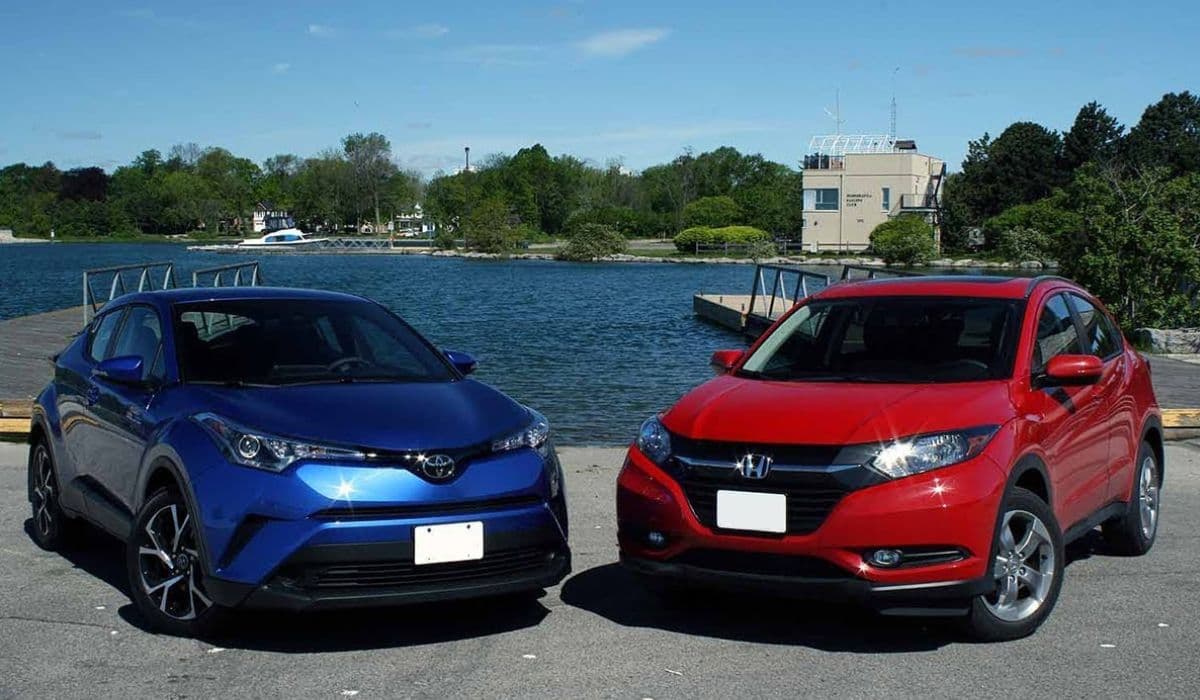
The eternal debate between Honda and Toyota enthusiasts often comes down to one key question in the compact and midsize segment: is the turbocharged 1.5-liter Honda engine superior to Toyota’s naturally aspirated 2.0-liter Dynamic Force? Both powertrains dominate their respective lineups – the Honda 1.5T in Civic, CR-V, Accord (in some markets), and the Toyota 2.0 Dynamic Force in Corolla, C-HR, and certain RAV4 hybrids as the main gasoline unit. This comparison digs deep into real-world performance, efficiency, reliability, driving feel, maintenance costs, and long-term ownership experience.
Engine Architecture and Basic Specifications
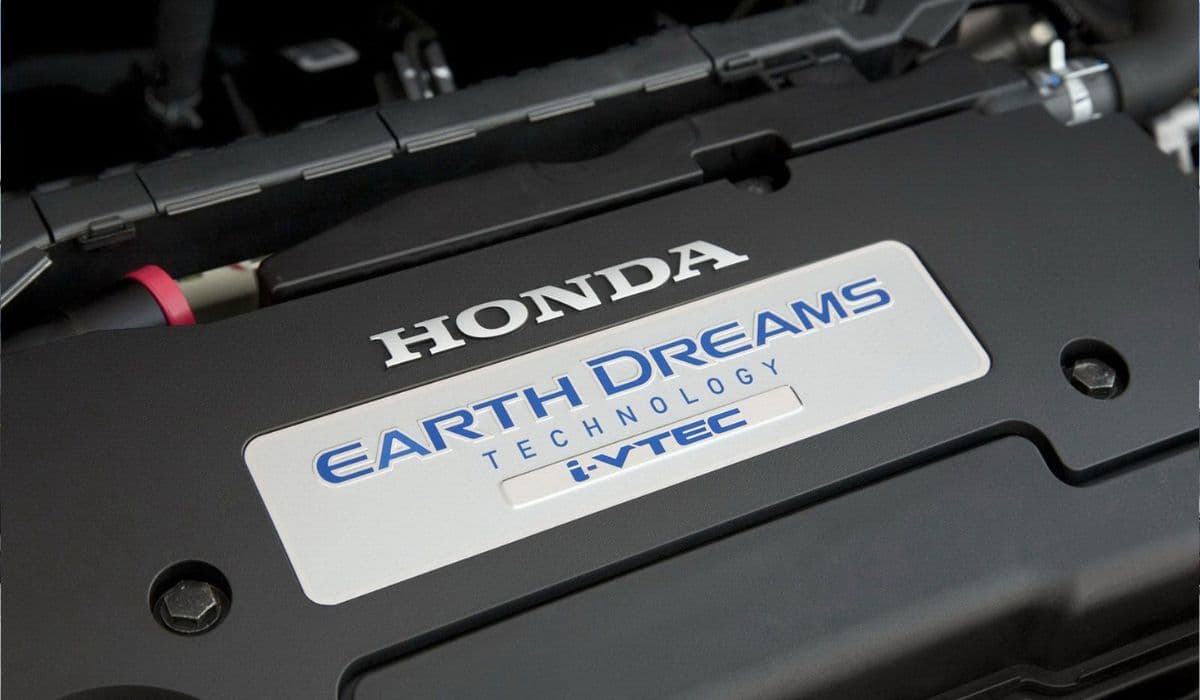
The Honda L15B7/L15BE 1.5-liter turbo is a direct-injected, 16-valve DOHC unit with VTEC on the exhaust side, a low-inertia turbocharger, and internal water-cooling of the exhaust manifold. In most applications it produces 174–180 hp (Civic Si slightly higher) and 162–177 lb-ft (220–240 Nm) of torque, with peak torque arriving as low as 1,700–2,100 rpm and holding flat until 5,000 rpm.
The Toyota A25A-FKS 2.0 Dynamic Force (M20A-FKS in some models) is a naturally aspirated inline-4 with both direct and port injection (D-4S), extremely high 13.0:1 compression ratio, laser-clad valve seats, and variable oil pump. Output is typically 169–171 hp and 151–153 lb-ft (205–207 Nm), with peak torque at 4,800–5,200 rpm.
On paper, the Honda makes more torque much earlier, while Toyota edges slightly in peak horsepower but requires significantly higher rpm.
Real-World Acceleration and Responsiveness
Despite similar horsepower figures, the driving experience differs dramatically. The Honda 1.5T feels noticeably quicker in daily driving. Independent 0–60 mph tests show the Civic 1.5T CVT around 7.3–7.5 seconds and manual versions closer to 6.8 seconds. A Corolla SE with the 2.0 and CVT typically needs 8.0–8.2 seconds. The difference comes from torque delivery: the Honda pulls hard from 1,800 rpm in any gear, while the Toyota needs to be revved past 4,500 rpm to wake up.
In rolling acceleration (30–70 mph or 50–100 km/h), the gap widens further because of the Honda’s flat torque curve and quicker CVT ratios in Sport mode.
Fuel Economy – City, Highway, and Real-World
Official EPA numbers are surprisingly close. A 2023–2025 Civic 1.5T EX-L achieves 31 city / 39 highway / 34 combined mpg (7.6 / 6.0 / 6.9 L/100 km). A Corolla SE with the 2.0 Dynamic Force is rated 31 / 40 / 34 mpg – essentially identical on highway, marginally better in mixed use for some drivers.
Real-world data from Fuelly and owner forums tells a different story. Civic 1.5T owners average 32–34 mpg in mixed driving, but many report oil dilution issues in cold climates that force more frequent oil changes and slightly worse consumption over time. Corolla 2.0 owners consistently report 36–39 mpg in the same conditions, especially with gentle driving. The Toyota’s thermal efficiency of 40% (41% in hybrid applications) is currently the highest of any mass-produced gasoline engine without electrification.
Turbo Reliability and Oil Dilution Concerns
This is where opinions split hardest. The Honda 1.5T suffered from well-documented fuel dilution into engine oil in 2017–2019 Civics and CR-Vs, particularly in cold-weather short-trip driving. Honda issued multiple service bulletins, extended warranties to 8 years/unlimited miles in some regions, and introduced software updates plus hardware changes (new injectors, revised piston rings) from 2020 onward. Post-2020 models show drastically reduced dilution rates, but many owners still change oil every 4,000–5,000 miles instead of the 7,500–10,000-mile maintenance minder interval.
The Toyota 2.0 Dynamic Force has no equivalent widespread issue. Carbon buildup on intake valves is minimal thanks to port injection keeping valves clean, and the engine is considered “fill-for-life” coolant and extremely low oil consumption even at high mileage. Over 200,000-mile examples are already appearing with original turbos (Honda) vs original timing chains (Toyota) still intact.
Driving Character and NVH
Honda enthusiasts praise the 1.5T for its eagerness and almost VTEC-like surge above 5,000 rpm, especially with a manual transmission. Turbo spool is instantaneous, and exhaust note (particularly with Si or aftermarket) is sportier.
Toyota went for refinement. The Dynamic Force engine is one of the quietest and smoothest four-cylinders on sale. Vibration at idle is almost hybrid-level low, and the Linear Shift CVT in newer Corollas simulates 10 gears with a physical first gear for better launch feel. Most reviewers call the Toyota “appliance-like” while the Honda is “engaging.”
Transmission Pairings
Honda pairs the 1.5T with either a slick 6-speed manual or a traditional-belt CVT with G-Shift logic. The CVT is widely regarded as one of the best non-DCT units – responsive in Sport mode and rarely drones.
Toyota uses its Direct Shift CVT with a physical launch gear. It feels slightly crisper off the line than Honda’s, but the simulated shifts are less convincing under hard acceleration.
The 6-speed manual is no longer available on the Corolla 2.0 in most markets, while Honda still offers it on Civic hatchback and Si.
Tuning Potential
For enthusiasts, the Honda 1.5T is far more tunable. A simple Stage 1 ECU flash (KTuner or Hondata) raises output to 220–250 hp and 280–300 lb-ft on 91–93 octane with no hardware changes. Full bolt-ons push reliable numbers past 300 hp.
The Toyota 2.0 is notoriously hard to extract big gains naturally aspirated. Even with headers, intake, exhaust, and custom ECU tuning, most owners struggle to reach 200 wheel horsepower.
Long-Term Cost of Ownership
Timing chain, water pump, and spark plugs are similar between both. The Honda requires 0W-20 synthetic oil and turbocharged engines generally consume slightly more oil. Post-2020 dilution fixes have improved this, but many owners remain cautious.
Toyota specifies 0W-16 oil (harder to find in some regions) but allows 0W-20. Valve adjustments are needed around 100,000 miles on the Toyota (shim-over-bucket), while Honda uses hydraulic lifters.
Turbo replacement on the Honda (if ever needed outside warranty) costs $1,800–$2,500 USD parts and labor. The Toyota has no turbo.
Which One Actually Lasts Longer?
Current data from longevity studies (iSeeCars, CarComplaints severity index) shows both engines routinely exceeding 250,000 miles with proper maintenance. Pre-2020 Honda 1.5T models have higher complaint rates due to oil dilution leading to rare but expensive bearing damage. Post-2020 models and all Toyota 2.0 Dynamic Force units show almost identical predicted reliability.
The Verdict Without Saying “Verdict”
If you prioritize driving fun, quick response, manual transmission availability, and tuning potential in a compact car, the Honda 1.5T remains more rewarding despite its earlier teething problems.
If you want maximum real-world fuel economy, stone-cold reliability, lower maintenance worry, and don’t care about ultimate performance, the Toyota 2.0 Dynamic Force is currently the safer, more efficient, and slightly cheaper engine to live with over 15+ years.
Both are excellent – just excellent in different ways.
More from Honda
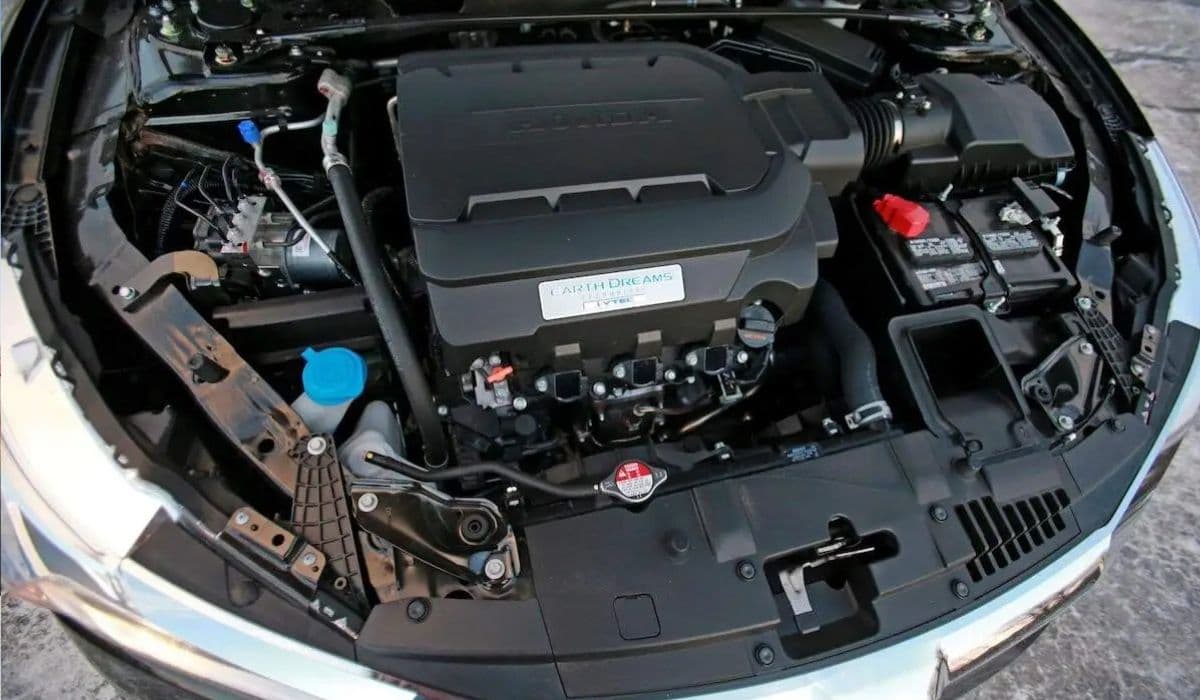
J35 V6 Reliability in 2018+ Honda Odyssey and Pilot: A Deep Dive into Real-World Performance
08.12.2025 10:52
Common 10-Speed Automatic Transmission Problems in Honda Accord 2018-2022
08.12.2025 10:56
Honda Sensing Problems in 2023-2025 Models: What Owners Really Experience
08.12.2025 11:00
2023+ Honda HR-V vs Previous Generation: In-Depth Engine and Powertrain Comparison
08.12.2025 11:03
11th Gen Honda Civic Type R (FL5) Engine Changes: A Deep Dive into the Evolution of the K20C1
08.12.2025 11:08