
Earth Dreams 1.5T Carbon Buildup Fix: Complete Guide to Solving Honda’s Direct Injection Problem
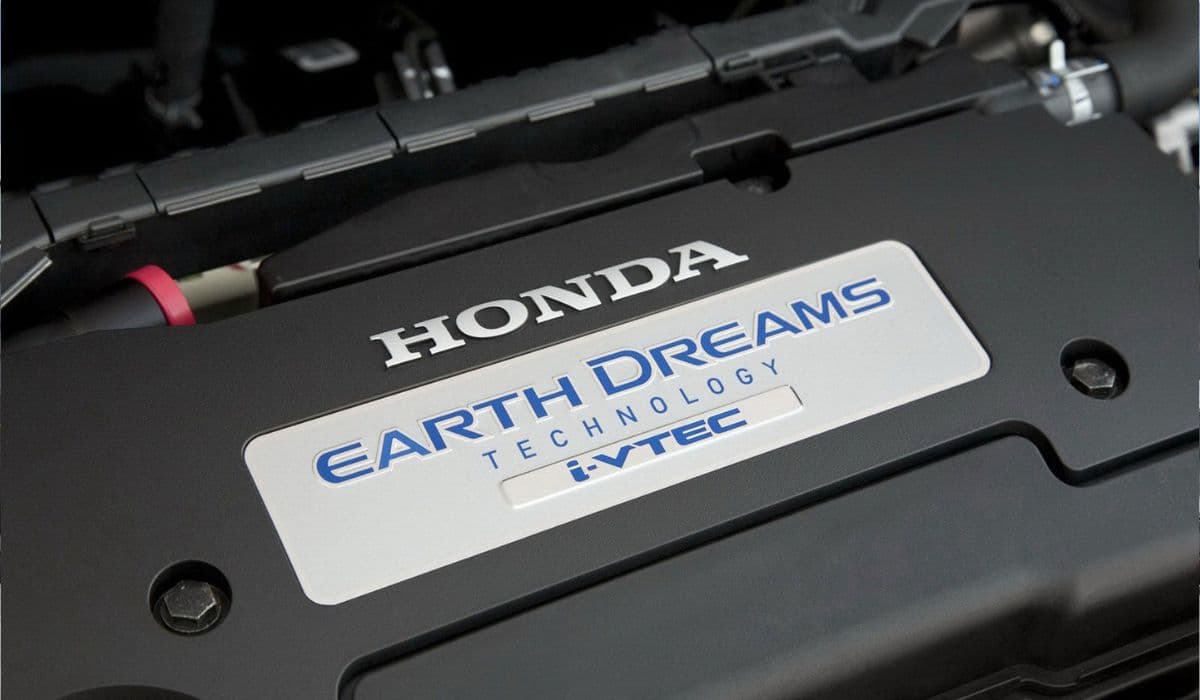
The Honda Earth Dreams 1.5-liter turbo engine (L15BE, L15BA, L15B7 and related codes) found in Civic 10th gen, CR-V 5th gen, Accord, HR-V and Acura models is widely praised for strong low-end torque and excellent fuel economy. However, almost every owner eventually faces the same serious issue: excessive carbon buildup on intake valves and in the turbocharger area. Because the engine uses direct injection only (no port injection), oil vapors and blow-by gases from the PCV system deposit carbon directly on the intake valves, leading to misfires, rough idle, loss of power, excessive oil consumption and, in severe cases, turbo failure.
Why the Earth Dreams 1.5T Builds Carbon So Fast
Direct injection sprays fuel straight into the combustion chamber, which means the intake valves never get “washed” by fuel like in traditional port-injection engines. The main sources of carbon are:
Crankcase vapors passing through the PCV valve (especially the infamous “Christmas tree” PCV valve design)
Low-quality or extended-interval engine oil that vaporizes easily
Short-trip driving and low-RPM city cycles that never let the engine reach full operating temperature
Turbocharger oil drain line creating additional oil mist in the intake tract
Factory piston ring design that allows slightly higher than average blow-by (confirmed by Honda TSBs and teardown analysis)
After 40,000–70,000 miles (sometimes earlier), carbon deposits become thick enough to disrupt airflow, cause pre-ignition, trigger check engine lights (P0300–P0304, P0171, P0420) and in extreme cases destroy the turbocharger bearings from oil contamination.
Most Effective DIY Carbon Buildup Fixes (Ranked by Real-World Results)
1. Catch Can Installation – The Single Best Preventive and Curative Mod
Properly designed oil catch cans (Mishimoto, J&L, 57motorsport, RV6 baffled versions) installed on both PCV and crankcase breather sides intercept 80-95 % of oil vapors before they reach the intake valves. Owners routinely report collecting 30-100 ml of oil every 3,000–5,000 miles. After 12–18 months with a good catch can, carbon growth almost completely stops and existing light deposits often start flaking off naturally.
Recommended routing for maximum efficiency:
Driver-side PCV valve → catch can → intake manifold
Passenger-side crankcase breather → second catch can (or dual-port can) → turbo inlet pipe (pre-turbo)
2. Regular Upper Engine Cleaning with CRC GDI IVD or Sea Foam Top Engine Cleaner
Every 15,000–20,000 miles perform a proper intake valve cleaning through the brake booster vacuum line or directly through the intake manifold port with the engine running at 2,000 RPM. CRC GDI Intake Valve & Turbo Cleaner (PN 05319) is currently the most aggressive and safest solvent-based product. Multiple owners on CivicX and CR-V Owners Club forums report 70-90 % carbon removal after 2-3 treatments when deposits are still soft.
3. Walnut Shell Blasting – The Nuclear Option for Severe Buildup
When compression drops below 140 psi or misfires become constant, media blasting with crushed walnut shells is the only method that restores 100 % airflow. Cost usually runs $400–$800 at a specialist shop. Requires intake manifold removal. After blasting, installing a catch can is mandatory to prevent rapid re-accumulation.
4. Switching to Top-Tier Full-Synthetic 0W-20 with High HTHS and Low NOACK
Honda’s factory fill and many cheap 0W-20 oils have NOACK volatility >13 %. Switching to oils with NOACK <8 % dramatically reduces oil vapor:
Best proven oils for the 1.5T:
Mobil 1 Extended Performance 0W-20
Pennzoil Ultra Platinum 0W-20
Idemitsu Zepro 0W-20 (OEM Honda supplier formulation)
Red Line 0W-20
HPL No VII 0W-20
Change interval: 5,000–7,500 miles maximum, regardless of the Maintenance Minder.
5. PCV Valve Upgrade or Frequent Replacement
The factory PCV valve (the green “Christmas tree”) tends to stick open after 30,000 miles, allowing excessive crankcase pressure. Many owners replace it every oil change or upgrade to Mishimoto, RV6-P or 27WON metal-body PCV valves with higher cracking pressure.
6. Italian Tune-Up + Highway Driving
Once a month perform 15–20 minutes of 4,000–6,500 RPM pulls in 3rd gear on the highway. Heat helps burn off light carbon and keeps turbo bearings clean.
7. Port Injection Kit (Ultimate but Expensive Fix)
27WON, PRL Motorsports and Spoon now offer supplemental port injection kits that add four injectors into the intake manifold. This restores the natural valve-cleaning effect of fuel wash. Carbon buildup becomes virtually zero after installation, but cost is $1,800–$2,500 + tuning.
Symptoms That Your 1.5T Already Has Serious Carbon Issues
Long crank / hard starting when hot
Random misfires, especially cylinder 3 and 4
Vibration at idle that smooths out above 1,200 RPM
Loss of boost pressure (logs show only 12–15 psi instead of 20+ psi)
Blue smoke on cold start or deceleration
Oil level dropping 1 quart every 2,000–3,000 miles
CEL with codes P0301–P0304, P0171, P11xx VTC-related
Turbocharger Protection – Critical Secondary Concern
Carbon-contaminated oil that passes through the catch can (or lack thereof) ends up cooking inside the turbo, forming coke on bearings. Many 1.5T turbos fail between 70,000–110,000 miles with destroyed thrust bearings. Always inspect turbo compressor wheel for oil residue and shaft play during every oil change.
Step-by-Step Catch Can Installation Tips Specific to 1.5T
Use 3/8" or 10 mm quick-connect hoses with proper check valves
Mount the can as low and forward as possible for gravity drain-back
Route hoses away from exhaust manifold and turbo heat
Empty the can every oil change – never let it get more than 50 % full
Use cans with sintered bronze filters and internal baffling (cheap eBay cans are useless)
With aggressive catch can setup + quality oil + periodic CRC cleaning, most owners completely stop carbon progression and avoid walnut blasting entirely.
The Earth Dreams 1.5T is an outstanding engine when properly maintained with direct-injection-specific modifications. Ignoring the carbon issue, however, turns it into an expensive grenade.
More from Honda
Common 10-Speed Automatic Transmission Problems in Honda Accord 2018-2022
08.12.2025 10:56
J35 V6 Reliability in 2018+ Honda Odyssey and Pilot: A Deep Dive into Real-World Performance
08.12.2025 10:52
11th Gen Honda Civic Type R (FL5) Engine Changes: A Deep Dive into the Evolution of the K20C1
08.12.2025 08:08
2023+ Honda HR-V vs Previous Generation: In-Depth Engine and Powertrain Comparison
08.12.2025 08:03
Honda Sensing Problems in 2023-2025 Models: What Owners Really Experience
08.12.2025 08:00