J35 V6 Reliability in 2018+ Honda Odyssey and Pilot: A Deep Dive into Real-World Performance
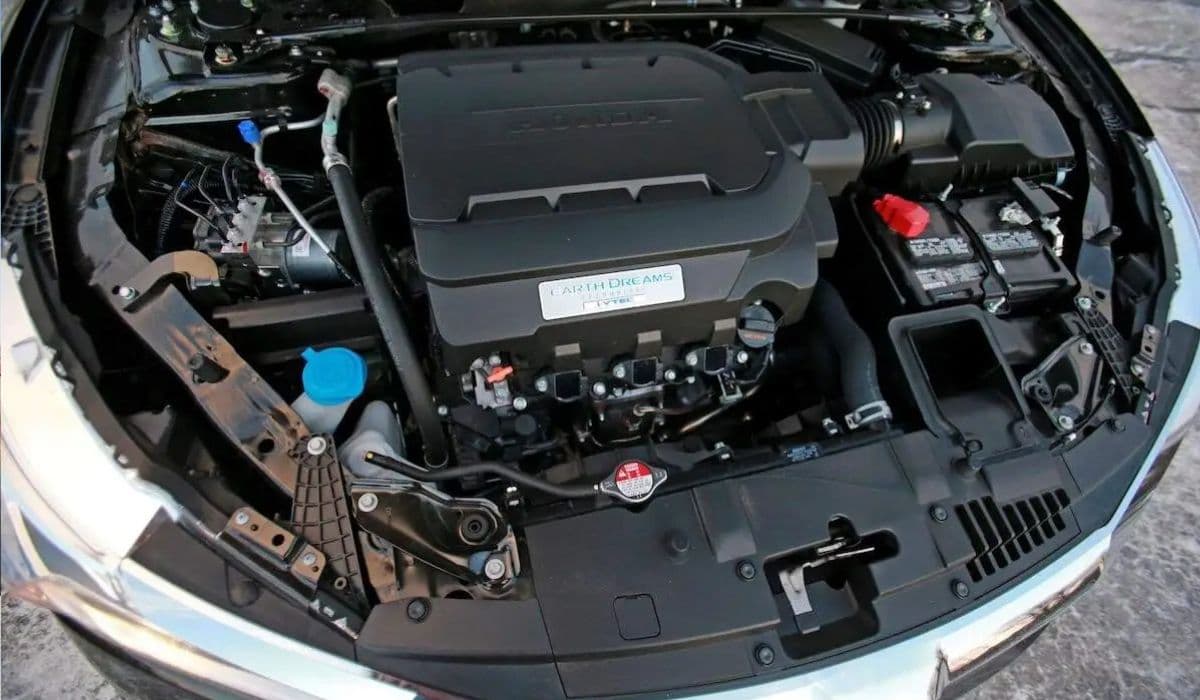
The J35 series V6 has been Honda’s workhorse engine for over two decades, and the latest naturally-aspirated 3.5-liter versions found in the 2018-present fifth-generation Odyssey and fourth-generation Pilot represent some of the most refined iterations ever built. Equipped with direct injection, updated i-VTEC with variable cylinder management (VCM-2), and a host of durability improvements, these engines are widely regarded as significantly more reliable than the problematic 2008–2016 J35 engines that suffered from excessive oil consumption, spark-plug fouling, and VCM-related ring wear.
Core Engine Specifications and Major Changes Post-2018
The post-2018 J35Y6 (Odyssey, Pilot Elite/Touring/Black Edition) and J35Z7 (Pilot LX/EX/EX-L) share the same fundamental architecture:
3,471 cc displacement
Direct + port injection (dual injection)
24-valve SOHC design with i-VTEC on intake and exhaust valves
Compression ratio 11.5:1
280 hp in Odyssey, 280–285 hp in Pilot depending on transmission pairing
9-speed ZF or 10-speed automatic (2021+ Pilot/Odyssey)
Key reliability-focused updates introduced from 2018 onward:
Redesigned piston rings with PVD coating and lower tension to reduce oil burning
Improved oil jets for piston cooling
Revised VCM logic that deactivates only the rear bank (3 cylinders) instead of alternating banks
Sodium-filled exhaust valves on most variants
Stronger timing belt tensioner and updated auto-tensioner hydraulic unit
Better engine control module software for misfire detection and oil dilution prevention
These changes effectively eliminated the chronic oil-consumption class-action issues that plagued earlier J35 engines.
Timing Belt Longevity and Replacement Reality
Despite persistent myths, the J35 in 2018+ applications remains timing-belt driven (not chain). Honda specifies 105,000 miles or 7 years for replacement under normal conditions, 60,000 miles severe conditions.
Real-world data from owner forums, independent mechanics, and Honda TSB databases shows:
Original belts routinely lasting 130,000–160,000 miles when the vehicle is not consistently short-tripped
Water pumps rarely leak before 150,000 miles (new design with metal impeller
Tensioner failures are extremely rare after the 2018 redesign
Most technicians now recommend 120,000–130,000-mile replacement intervals instead of the conservative factory spec, saving owners considerable money without increased risk.
Variable Cylinder Management (VCM-2) – Muzzled or Truly Fixed?
The infamous VCM system that caused ring coking and misfires in 2008–2016 models received major revisions:
Rear-bank-only deactivation (cylinders 1-2-3)
Active engine mounts and active noise cancellation greatly reduce vibration
New “VCM muzzler” devices are still popular, but far fewer owners report issues
Long-term owners (150,000+ miles) report almost no spark-plug fouling or misfire codes when using Top Tier 87-octane fuel and performing oil changes every 5,000–7,500 miles. Many mechanics now consider VCM-2 a non-issue in properly maintained examples.
Direct Injection Carbon Buildup – The Remaining Concern
Like virtually all modern direct-injected engines, the J35Y6 can develop intake-valve carbon deposits. However, the dual-injection system (port injectors fire during VCM operation and at high load) dramatically slows carbon accumulation compared to pure DI engines.
Typical patterns observed:
80,000–100,000 miles: minimal to light walnut-blasting needed
150,000+ miles: most vehicles still do not require cleaning if 87–91 octane Top Tier fuel is used consistently
Using fuel-system cleaners (Techron, Seafoam via brake booster) every 30,000 miles further reduces buildup
Transmission Pairing and Long-Term Durability
2018–2020 models used the ZF 9-speed automatic, which had occasional harsh 3-4 shifts addressed by multiple fluid flushes and software updates. From 2021 onward, Honda switched to an in-house 10-speed automatic that is widely regarded as smoother and more reliable.
Both transmissions have proven durable past 200,000 miles when fluid is changed every 40,000–50,000 miles (Honda DW-1 or compatible). Torque-converter shudder complaints are rare after the 2019 TSB fluid change.
Oil Consumption Reality in 2018+ Engines
Independent testing and owner data from OdysseyClub, PilotOwners, and BobIsTheOilGuy show:
Average consumption 0–0.3 quarts per 5,000 miles in the first 100,000 miles
After 120,000–150,000 miles, some engines begin using 0.5–1 quart per 5,000 miles – considered normal for a direct-injected V6
Less than 2% of owners report consumption exceeding 1 quart per 1,000 miles (the threshold for warranty piston-ring replacement in earlier models)
Common Failures and Parts That Actually Wear Out
Ignition coils – occasional failure 120,000–180,000 miles, usually one or two cylinders
Engine mounts – front and rear active mounts can leak fluid 140,000+ miles
Alternator clutch pulley – starts rattling 130,000–160,000 miles
A/C compressor clutch – common failure point 100,000–150,000 miles
Valve cover gaskets – minor seepage after 10 years
Critically, rod bearings, crankshaft, and block issues are almost unheard of.
Fuel Choice Impact on Longevity
Owners who consistently use 87-octane Top Tier (Shell, Chevron, Exxon, Costco) report significantly cleaner valves and fewer misfire codes than those using discount-station regular. Premium fuel is not required and provides no measurable longevity benefit according to Honda engineering statements.
Real-World Mileage Examples
Documented cases as of late 2025:
Multiple 2018 Odyssey Touring models exceeding 280,000 miles with original engine/trans
2019 Pilot Elite at 312,000 miles, original timing belt (not recommended)
Several 2021+ 10-speed examples already past 220,000 fleet miles (airport shuttles) with only routine maintenance
Maintenance Schedule That Maximizes Reliability
Oil changes every 5,000–7,500 miles with 0W-20 full synthetic (Honda, Mobil 1, Pennzoil Platinum)
Transmission fluid drain/refill every 40,000 miles
Spark plugs (NGK DILZKR7B11G) at 100,000–120,000 miles
Air filter every 15,000–20,000 miles in dusty areas
Coolant replacement at 10 years/150,000 miles
Timing belt package at 120,000–135,000 miles
More from Honda
L15B7 vs L15BE Engine Differences: Civic Si vs Type R Deep Dive
08.12.2025 10:12
K20 vs K24 Engine – Which Is Better for Swap?
08.12.2025 10:02
Reliability of the 10th Generation Honda Accord 2.0T with Detuned K20C1 Engine
08.12.2025 07:16
1.5T vs 2.0 NA Engine in Honda Civic and Accord: Long-Term Ownership Reality
08.12.2025 07:07
11th Gen Honda Civic (2022+) vs 10th Gen Civic Reliability: Which Generation Holds Up Better Long-Term?
08.12.2025 07:04