5th Gen 4Runner Engine Options and Long-Term Reliability: The Definitive Guide
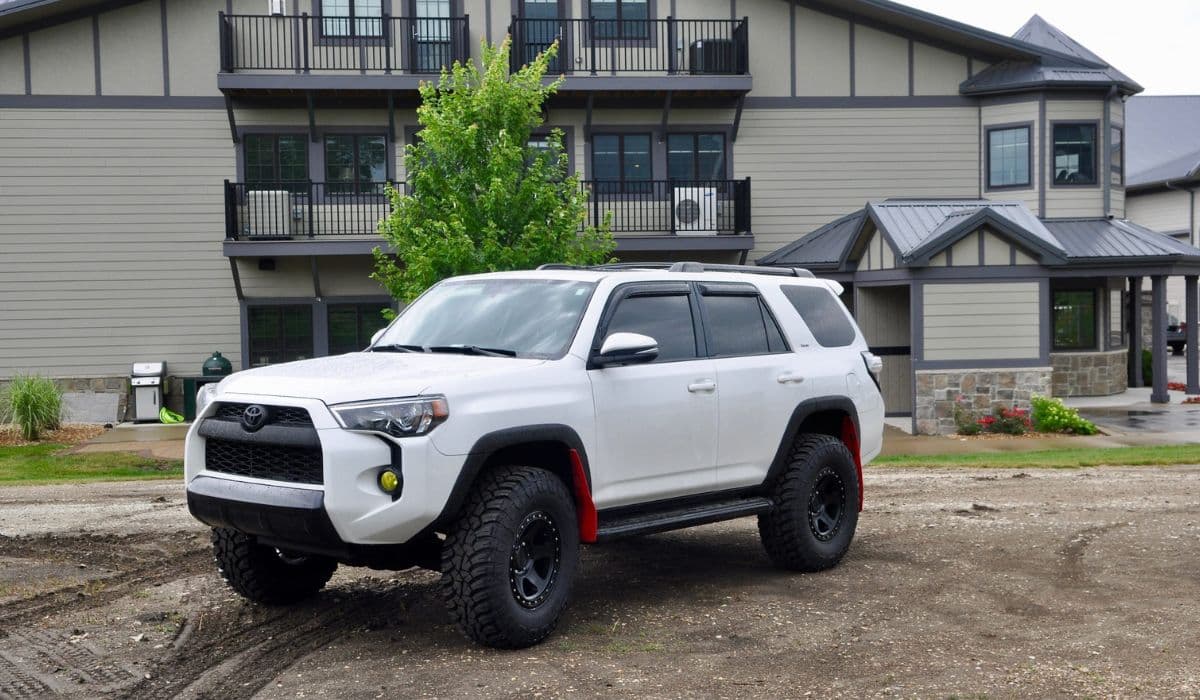
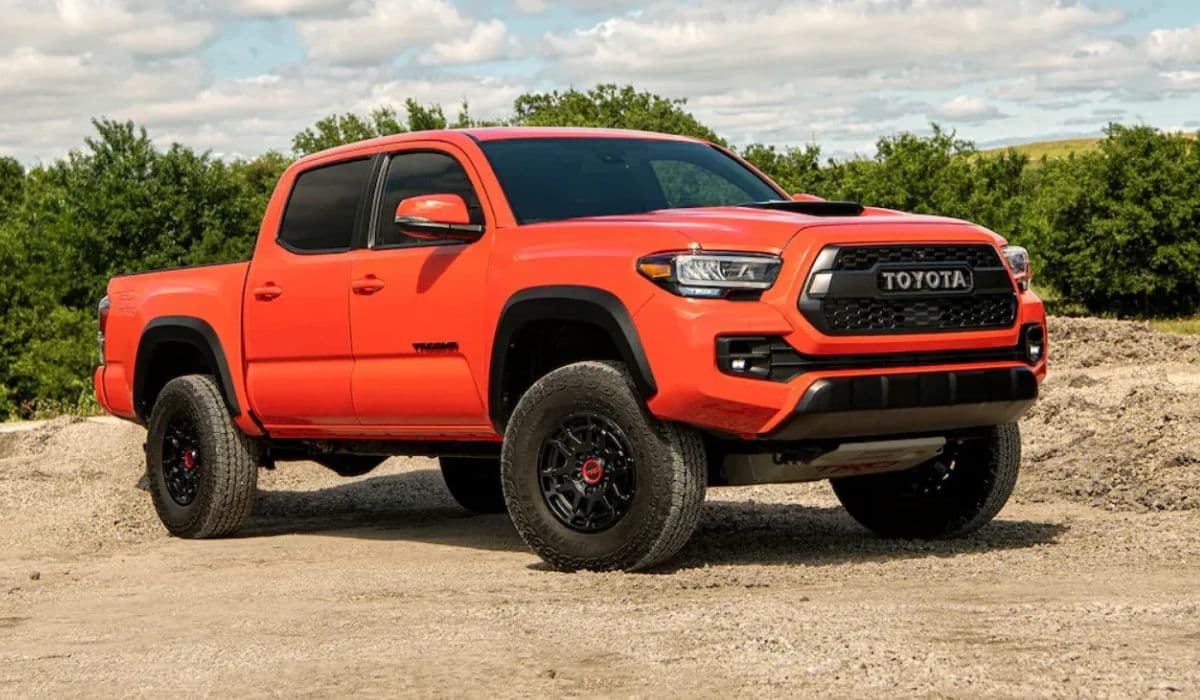
The 5th-generation Toyota 4Runner remains one of the last true body-on-frame, rear-wheel-drive-based midsize SUVs with serious off-road capability. Even as the all-new 6th generation arrives, hundreds of thousands of buyers continue choosing the proven 5th gen for its bulletproof reputation. The core of that reputation is its powertrain – specifically the legendary 4.0-liter 1GR-FE V6 and, in earlier years, the optional 2.7-liter 4-cylinder. Below is everything current and prospective owners need to know about these engines and their real-world durability.
The Heart of the 5th Gen: 4.0-Liter 1GR-FE V6
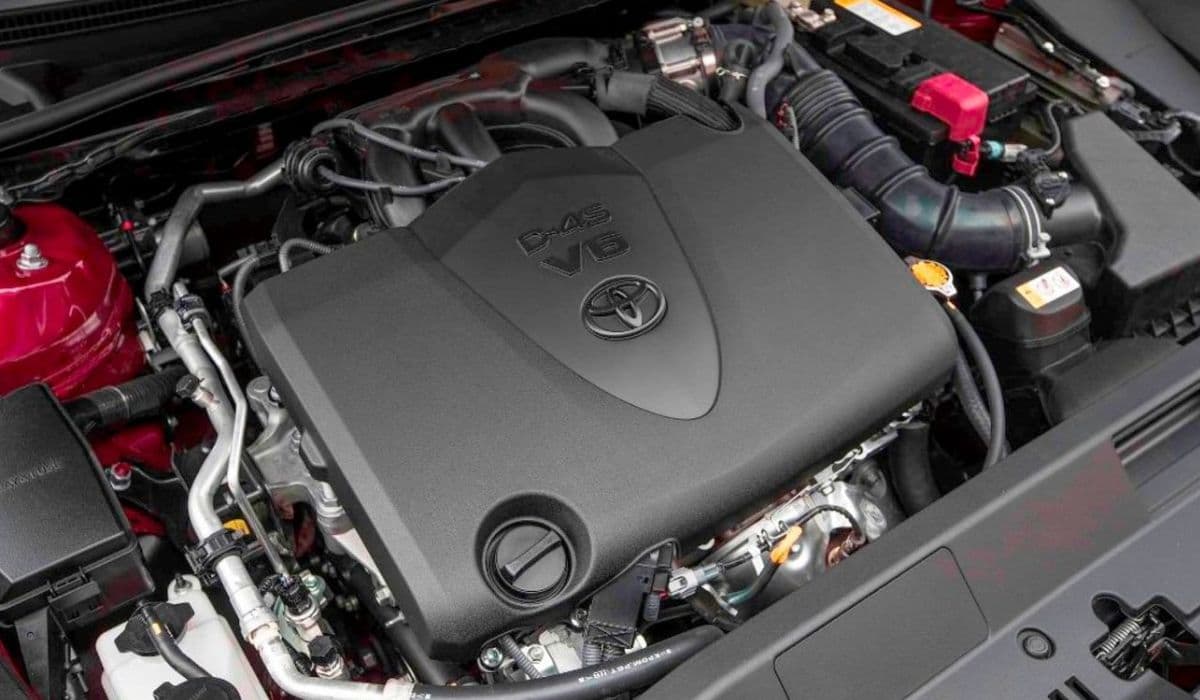
Since the 2010 model year refresh, every 5th-generation 4Runner sold in North America has come standard with the 4.0-liter dual-overhead-cam V6 coded 1GR-FE. This engine traces its roots back to the 2003 4Runner and Prado platforms and has been continuously refined over two decades.
Key specifications:
Displacement: 3,956 cc
Bore × stroke: 94.0 mm × 95.0 mm
Compression ratio: 10.4:1
Power: 270 hp @ 5,600 rpm
Torque: 278 lb-ft @ 4,400 rpm
Redline: 6,000 rpm
Valvetrain: 24-valve DOHC with dual independent VVT-i (variable valve timing on both intake and exhaust cams)
Fuel requirement: 87-octane regular unleaded
The 1GR-FE uses an aluminum block and heads, a forged steel crankshaft, and a very robust bottom end originally designed for the Land Cruiser Prado 120/150 series in markets with far worse fuel quality and maintenance habits than North America. This over-engineering is the primary reason the engine routinely exceeds 400,000–500,000 miles with basic maintenance.
Early 5th Gen Option: 2.7-Liter 2TR-FE Inline-4
From 2010 through roughly mid-2020 in fleet and base models (mostly SR5 4×2), Toyota offered the 2.7-liter 2TR-FE four-cylinder.
Specifications:
159 hp @ 5,200 rpm
180 lb-ft @ 4,100 rpm
Chain-driven DOHC 16-valve head with VVT-i
While adequate for light-duty use, the 2TR is noticeably strained when the 4Runner is loaded, towing (5,000 lb rating), or climbing grades. Real-world fuel economy rarely exceeds 20 mpg combined, erasing most of the theoretical savings over the V6. By 2021 Toyota quietly dropped the 4-cylinder from the U.S. lineup, making 2010–2020 4-cylinder models increasingly rare on the used market.
Proven Longevity: Why the 1GR-FE Is Considered “Million-Mile Capable”
Independent teardowns and fleet data consistently rank the 1GR-FE among the most durable gasoline engines ever put in a North American SUV.
Major factors contributing to extreme longevity:
Forged crankshaft and connecting rods (shared with supercharged TRD applications in other markets)
Very low specific output (68 hp per liter) means the engine is barely stressed at full throttle)
Extremely conservative ECU tuning – peak torque arrives at a low 4,400 rpm and the engine spends most of its life under 3,000 rpm
Dual VVT-i and excellent oil pressure even at high mileage exceeding 300,000 miles
No direct injection = zero carbon-buildup issues on intake valves
No turbochargers or complex variable-geometry systems to fail
Documented examples:
Multiple taxi companies in the Middle East and Australia have recorded 1GR-FE engines surpassing 600,000 miles (1,000,000 km) with only routine maintenance
The highest-mileage 4Runner publicly documented on forums (with photos and service records) sits at 720,000+ miles on the original engine and 5-speed automatic
Common Issues and How Rare They Actually Are
Despite the stellar reputation, no engine is completely flawless. Here are the real-world concerns ranked by frequency:
Exhaust manifold cracks (2003–2009 early 1GR-FE versions) Toyota revised the manifolds around 2010; post-2010 5th-gen 4Runners almost never experience this issue.
Secondary air injection system (SAIS) failure on 2010–2013 models (California emissions) Triggers P244x codes and “Christmas tree” dash lights. Toyota extended warranty to 10 years/150,000 miles. Bypass kits or replacement pumps solve it permanently.
Water-pump weep hole leakage around 150,000–200,000 miles Genuine Toyota pink coolant and 100k-mile replacement interval virtually eliminates catastrophic failures.
Valley plate coolant leak (very rare on 5th gen) The infamous “valley leak” that plagued early 2005–2009 engines was solved with a revised plate by 2010.
Timing chain, tensioner, and VVT-i gear wear Almost unheard of before 350,000–400,000 miles if oil changes are performed with 0W-20 or 5W-30 synthetic on time.
Transmission Pairing: The Bulletproof A750F 5-Speed Automatic
Every V6 5th-gen 4Runner uses the A750F 5-speed automatic shared with the Land Cruiser Prado, FJ Cruiser, Tacoma, and Lexus GX. This transmission is widely regarded as one of the most reliable automatics Toyota has ever built.
Sealed-for-life design (no dipstick on most models), but fluid condition should still be inspected every 60k miles
Tow-rated for 5,000 lbs (later TRD Pro and Trail models raised to 6,000–7,300 lbs with factory hitch)
Hundreds of documented cases exceeding 500,000 miles on original clutch packs when fluid is refreshed every 100k miles
Part-time 4WD models use the same A750F with an added two-speed transfer case that has proven equally durable.
Real-World Fuel Economy Across Trims
Despite the relatively modest power output, the 1GR/A750F combination returns respectable efficiency for a 4,800–5,000 lb body-on-frame SUV:
SR5 / TRD Off-Road 4×4: 16–17 city / 19–20 highway (owner-reported lifetime averages)
Limited 4×4 with full-time system and X-REAS: 15–16 city / 18–19 highway
TRD Pro with 265/70R17 all-terrain tires: 15–16 city / 18–19 highway
Premium fuel offers no measurable benefit; the ECU simply retards timing slightly on 87 octane and you lose ~5 hp – undetectable in daily driving.
Maintenance Schedule That Guarantees 300,000+ Miles
Follow this and the engine will almost certainly outlast the body:
Oil: 0W-20 or 5W-30 full synthetic every 7,500–10,000 miles (severe service 5,000 miles)
Spark plugs: Denso or NGK iridium at 120,000 miles
Coolant: Toyota Super Long Life pink, replace every 100,000 miles
Transmission fluid: Toyota WS, drain-and-fill (not flush) every 80–100k miles
Transfer case & differentials: 75W-90 GL-5 every 50–60k miles
Air filter: OEM or high-flow drop-in, inspect every 15k miles off-road
Aftermarket Support and Forced-Induction Options
The 1GR-FE has a massive tuning community:
URD, Magnuson, and TRD all offered supercharger kits (discontinued but available used)
Harrop TVS2650 blower kits for 6th-gen i-FORCE MAX also bolt onto the 1GR with minor bracket changes
Headers, cams, and standalone ECUs can push reliable power past 400 whp, though most owners prefer stock reliability
Why the 5th Gen 4Runner Engine Bay Remains a Benchmark
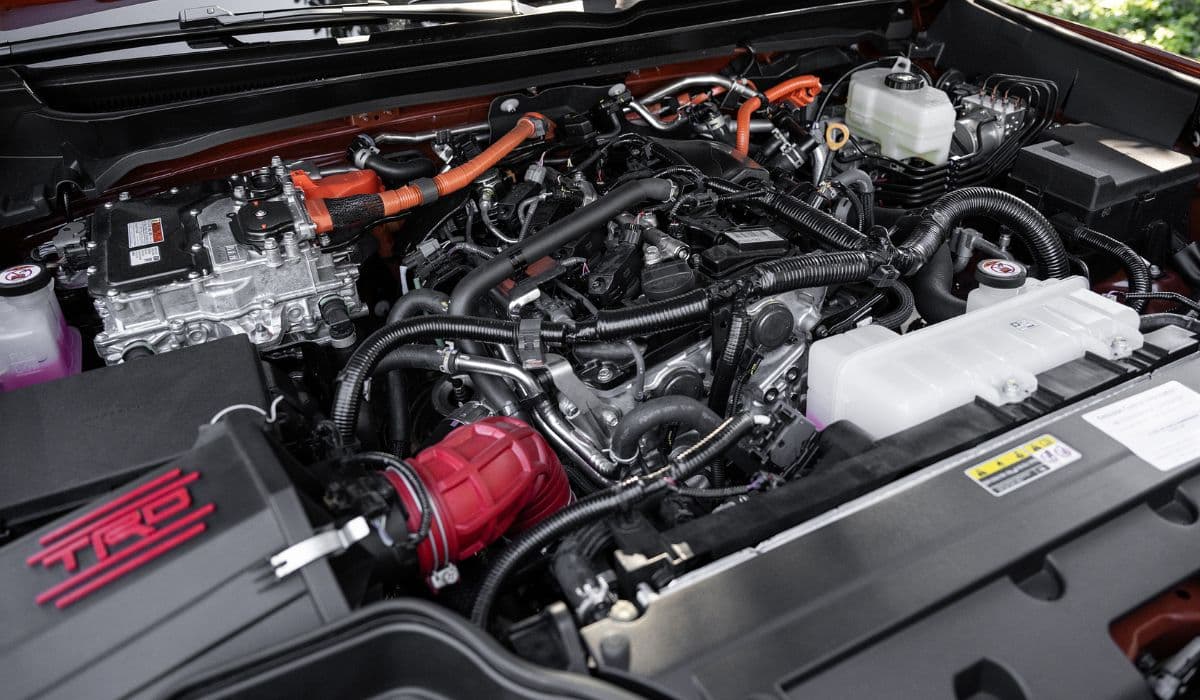
In an era dominated by turbocharged 4-cylinders and complex hybrid systems, the naturally aspirated 1GR-FE V6 paired with the A750F represents the last mass-produced powertrain that can realistically be called “million-mile capable” with zero extraordinary measures. No other current midsize SUV – Bronco, Wrangler 4xe, Defender, or even the new 4Runner Turbo-4 – has anywhere near the long-term data backing up the 5th gen’s reputation.
For buyers prioritizing absolute dependability over the latest technology, the 5th-generation 4Runner’s engine lineup remains unmatched.