Are Cell Phone Laws Changing in Texas in 2026?
Earlier this month, we published a nationwide overview of upcoming 2026 driving laws. Now we turn to Texas—a state where distracted driving remains one of the top causes of roadway fatalities, and where lawmakers have already approved several key legislative updates set to take effect in 2026. After reviewing state transportation reports, safety board proposals, and enforcement briefings from Texas DPS, here’s a clear breakdown of what is changing and how it will affect everyday drivers.
Expanded Hands-Free Requirements (Texas Hands-Free Law 2026)
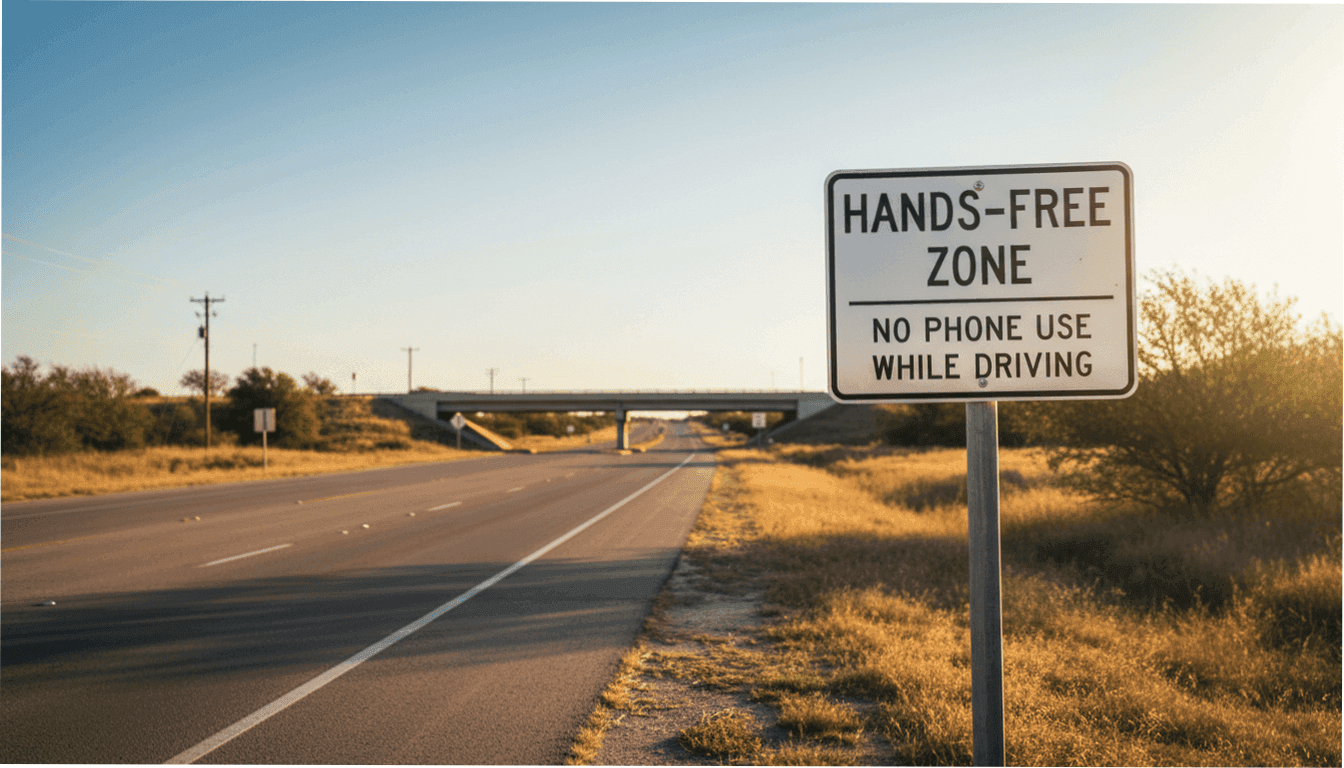
Texas already bans texting while driving, but the 2026 update significantly broadens what is considered illegal handheld phone use.
What’s changing:
Holding a phone for any purpose (not just texting) will now be prohibited statewide.
Manually entering an address into a map app while driving will be considered distracted driving, even at low speeds.
Adjusting music, scrolling apps, tapping notifications — all fall under “handheld use.”
Using a phone at a red light will become a citable offense in several counties adopting local ordinances.
These changes bring Texas closer to states like California and New York, where hands-free rules have already been tightened.
Higher Penalties for Distracted Driving
(Texas Distracted Driving Penalties 2026)
Texas lawmakers and DPS have repeatedly emphasized that distracted driving contributes to more than 400 deaths per year statewide.
The 2026 penalties reflect this growing concern.
Expected fine increases:
First offense: $200–$250 depending on county
Second offense: up to $350
Repeat or injury-related cases: $500–$1,000 and mandatory court appearance
Violations in school zones: automatic enhancement (often doubling the base fine)
Some counties—including Travis, Bexar, and El Paso—may add additional court fees or mandatory safety courses.
What this means for drivers:
Even a quick tap on the screen could result in a costly citation under the 2026 rules.
School Zones Will Face the Strictest Enforcement
Texas is expanding automated enforcement in school zones as part of a pilot program connected to the new hands-free framework.
Key updates:
Cameras capable of detecting handheld phone use
Nighttime and early-morning enforcement during bus operation hours
Mandatory citations issued by mail within 30 days
Texas transportation safety boards reported that handheld phone violations were 2.3× higher in school zones than on standard roadways—one of the main reasons behind the 2026 expansion.
New Local Ordinances in High-Risk Regions
Several fast-growing urban counties are introducing their own additions to the state law.
Areas expected to tighten restrictions in 2026:
Austin / Travis County — likely to add enhanced penalties for repeat violations
Houston / Harris County — proposed hands-free corridors along high-collision highways
San Antonio / Bexar County — possible nighttime distracted-driving checkpoints
El Paso County — expanded camera-based enforcement in school and safety zones
These local rules will work on top of statewide laws.
Stronger Emphasis on Bluetooth and Built-In Vehicle Controls
Texas DPS recommends that drivers rely on:
built-in infotainment controls
steering-wheel buttons
voice-activated assistants
wireless CarPlay / Android Auto when available
In 2026, the state may issue updated compatibility guidelines for vehicles without factory Bluetooth. Some drivers may be required to install hands-free adapters to remain compliant.
How 2026 Texas Cell Phone Law Changes Will Affect You
✔ More tickets will come from camera-based enforcement
✔ Fines will increase in school zones and construction areas
✔ Using a phone at a red light may become illegal depending on county
✔ Older vehicles without Bluetooth will face more compliance challenges
✔ Insurance rates may increase for drivers with distracted-driving violations
Texas DPS expects a noticeable drop in distraction-related crashes once the new laws take effect, but drivers should prepare for stricter oversight and fewer “gray areas.”
Texas is aligning itself with other states that have moved toward strict hands-free driving rules. The 2026 updates bring clearer definitions, higher fines, and broader enforcement—especially in school zones and high-risk corridors.
For Texas drivers, the most important takeaway is simple:
any handheld phone use behind the wheel will be far riskier—and more expensive—starting in 2026.
Understanding the incoming changes now will help avoid fines and keep you compliant as Texas strengthens its road safety laws.
More from Traffic & Law
New Traffic Laws Coming to New York in 2026: What Drivers Need to Know
02.12.2025 14:39
Major 2026 Driving Law Changes in California: What Drivers Need to Know
02.12.2025 14:31
What Happens If Someone Else Is Driving My Car and Gets in an Accident?
24.11.2025 11:34
Is It Illegal to Drive Without Insurance?
24.11.2025 11:24
What is a DWI?
23.11.2025 19:40