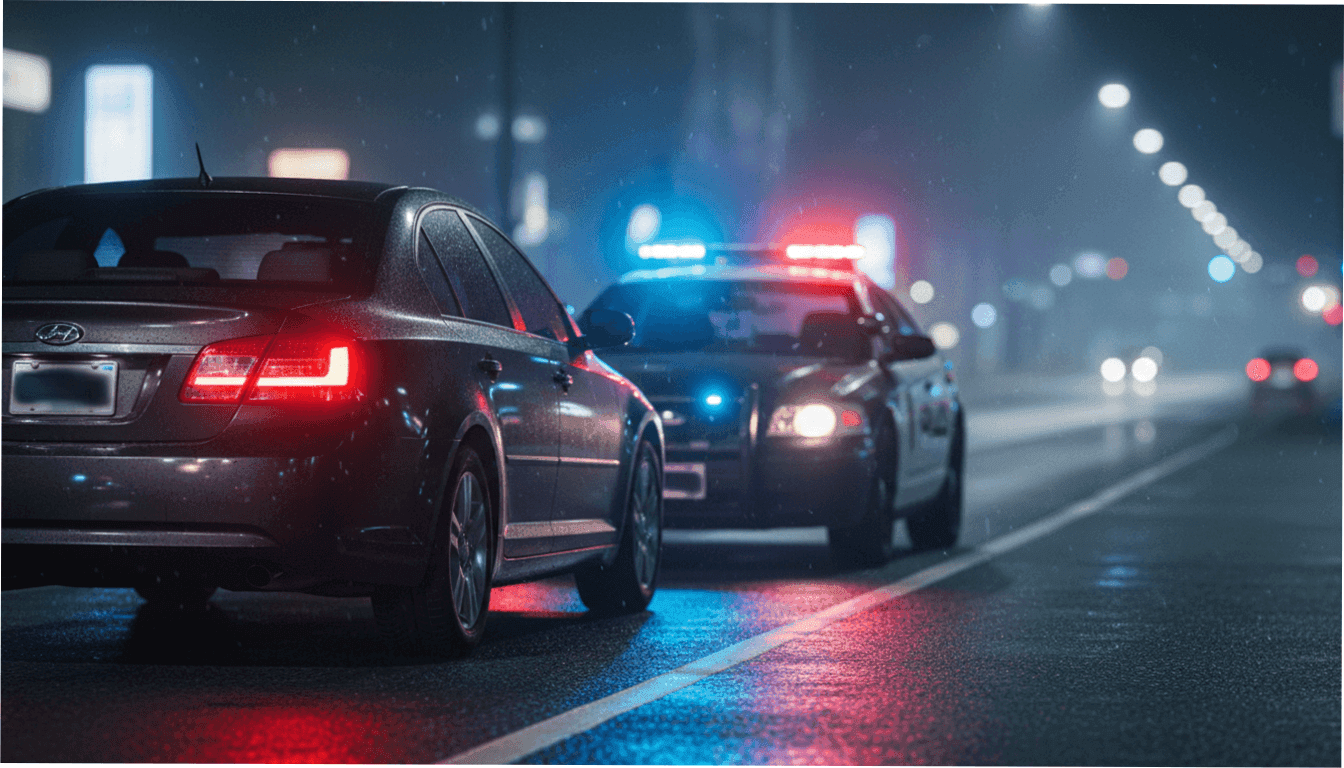
Iowa’s New Hands-Free Driving Law in 2026: What Drivers Need to Know
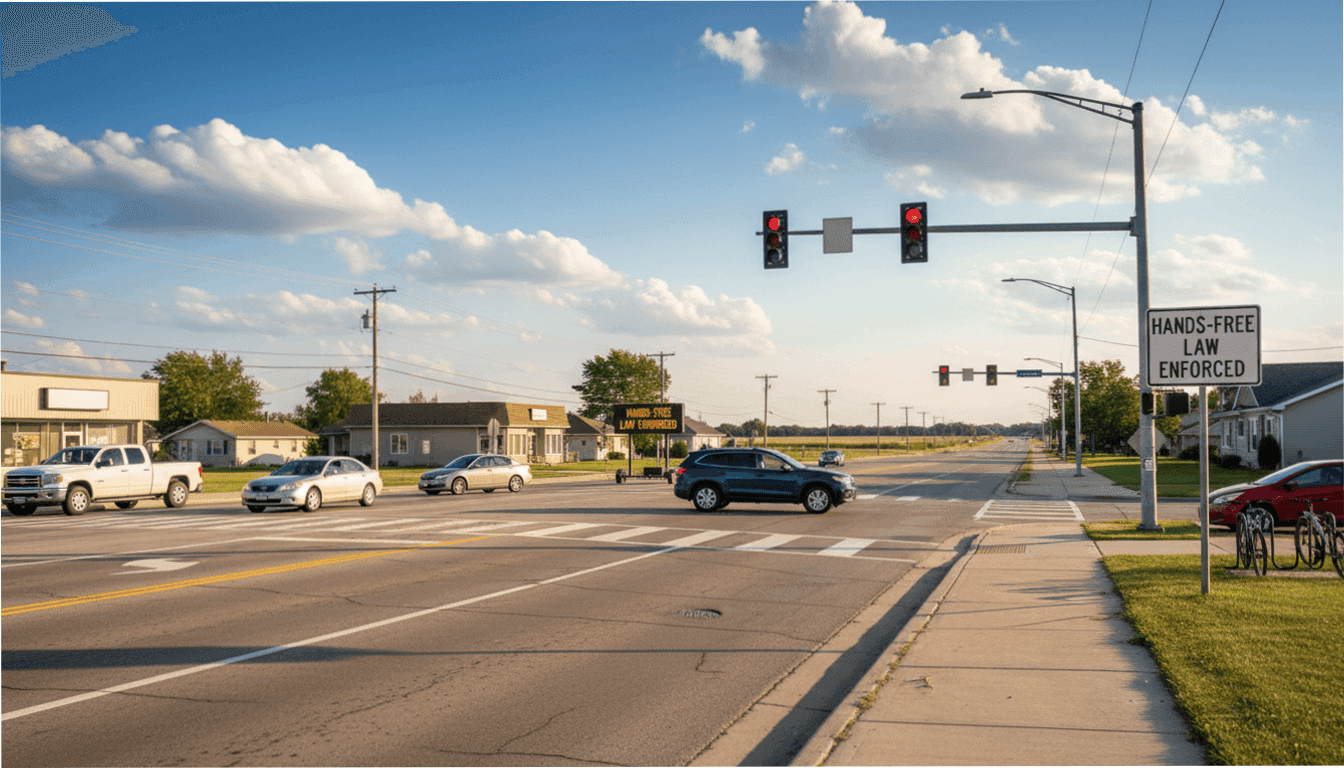
Earlier this month, we published a nationwide breakdown of incoming 2026 driving law changes. Now we’re taking a closer look at Iowa, where updated hands-free rules and new distracted driving penalties will directly affect everyday drivers. Iowa lawmakers and the Department of Transportation have pushed for tighter regulations after several years of rising crash numbers linked to mobile phone use. These 2026 updates reflect that shift.
The goal of this guide is to explain the new rules in clear, practical terms — not legal language — so Iowa drivers know exactly what to expect when the laws take effect.
What the 2026 Hands-Free Update Really Changes
Iowa already prohibits texting while driving, but the 2026 law expands the ban to cover almost any handheld phone interaction. Holding your phone at all — even briefly — will be enough for an officer or automated enforcement system to issue a citation.
Under the new rules, things that many drivers still do casually will become violations, including:
picking up the phone to check a notification
adjusting music apps manually
scrolling maps or entering an address
interacting with the phone at a stoplight
holding the phone while talking, even in slow traffic
The only fully legal method in 2026 will be true hands-free use: voice commands, steering-wheel buttons, and mounted devices that don’t require physical holding.
Iowa DOT emphasized that the change was driven by multi-year crash data showing a noticeable rise in distraction-related collisions on rural highways and city corridors.
Expect Higher Fines and Stricter Enforcement
Fines for distracted driving in Iowa have been historically low compared to other states, but that will change in 2026. Violations under the new hands-free framework will become meaningfully more expensive, and repeat offenders can expect sharply higher penalties.
The biggest change:
phone-related violations in school zones will carry the toughest enhancements, similar to speeding penalties.
If a driver is caught holding a phone anywhere near a marked school zone — even during a rolling slowdown or bus pickup window — the citation will include larger fines and additional administrative fees. Iowa legislators cited school zone crash statistics as a primary reason for the 2026 escalation.
Insurance companies have also indicated that they will classify hands-free violations as “high-risk infractions,” which may lead to premium increases even for first-time offenders.
School Zones Will See the Most Noticeable Changes
Beginning in 2026, Iowa will transition to a more controlled enforcement environment around school areas. Many districts plan to adopt digital monitoring systems capable of detecting handheld device use from passing vehicles. These won’t replace police officers — but they will supplement them.
Even slow rolling traffic outside schools can trigger a violation if a driver is physically holding a phone. That includes:
morning drop-off hours
afternoon pickup periods
any time flashing school-zone signage is active
For families driving children to and from school daily, this will be the part of the law they feel most immediately.
New Traffic Enforcement Tools Across the State
Iowa is beginning to update its enforcement strategy beyond simple officer patrols. The 2026 law opens the door for:
expanded camera enforcement in high-crash areas
targeted monitoring during peak commute periods
data-driven patrol adjustments based on crash reports
rural corridor enforcement where distraction crashes have increased
According to state data from recent safety reports, distraction-related incidents have risen especially on long, straight rural road segments — where drivers often feel comfortable glancing at their phones. The new law specifically aims to reduce these crash patterns by making handheld use an unequivocal violation.
How Drivers Should Prepare for the 2026 Changes
For many Iowa drivers, the shift will require only small habit changes — but they’re important ones. Mounts, Bluetooth kits, and voice-activated navigation will become essential for older vehicles without built-in hands-free systems. Parents who typically check messages at stoplights should expect stricter enforcement even in low-traffic environments.
Rideshare drivers, commuters, and rural long-distance drivers will be the groups most directly affected, simply because they spend more time behind the wheel.
The key takeaway:
Any physical interaction with your phone — no matter how quick — can now be enough to trigger a ticket.
Iowa’s updated 2026 hands-free law is designed to simplify the rules: if the phone is in your hand, it’s a violation. The state is taking a clearer, more decisive approach to distracted driving, with stronger penalties, expanded school zone protections, and new enforcement technology to support the effort.
Understanding these changes before the law begins will help drivers avoid unnecessary fines — and will create safer roads for everyone in Iowa.
More from Traffic & Law
Are Cell Phone Laws Changing in Texas in 2026?
02.12.2025 14:51
New Traffic Laws Coming to New York in 2026: What Drivers Need to Know
02.12.2025 14:39
Major 2026 Driving Law Changes in California: What Drivers Need to Know
02.12.2025 14:31
What Happens If Someone Else Is Driving My Car and Gets in an Accident?
24.11.2025 11:34
Is It Illegal to Drive Without Insurance?
24.11.2025 11:24