Honda Civic 1.5T: Avoiding Oil Dilution with Frequent Changes
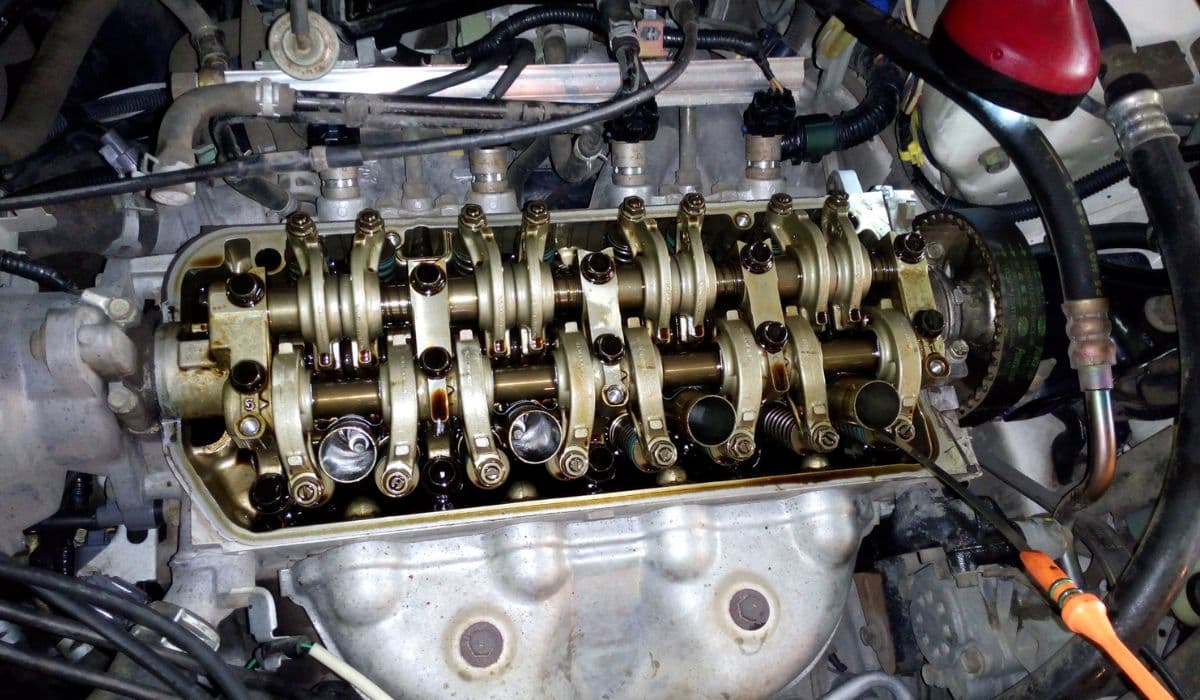
The Honda Civic 1.5T engine, known for its turbocharged efficiency and spirited performance, has garnered a loyal following among compact car enthusiasts. However, one persistent issue that owners often encounter is oil dilution, where fuel mixes with the engine oil, potentially compromising lubrication and longevity. This phenomenon arises primarily from the direct injection system combined with the turbo setup, which can lead to incomplete fuel combustion under certain driving conditions.
In colder climates or during short trips, the engine doesn't always reach optimal operating temperatures, allowing unburned fuel to seep past the piston rings and into the crankcase. Over time, this dilutes the oil, reducing its viscosity and protective qualities. What makes the 1.5T particularly susceptible is its high-compression ratio and advanced fuel management, designed for power and economy but sometimes at the expense of oil purity.
Owners might notice this through a rising oil level on the dipstick or a faint gasoline odor in the oil. Ignoring it can accelerate wear on critical components like bearings and camshafts, leading to costly repairs down the line. By grasping the root causes—such as frequent cold starts, stop-and-go traffic, or aggressive driving—drivers can take proactive steps to mitigate risks and keep their Civic running smoothly.
The Role of Frequent Oil Changes in Prevention
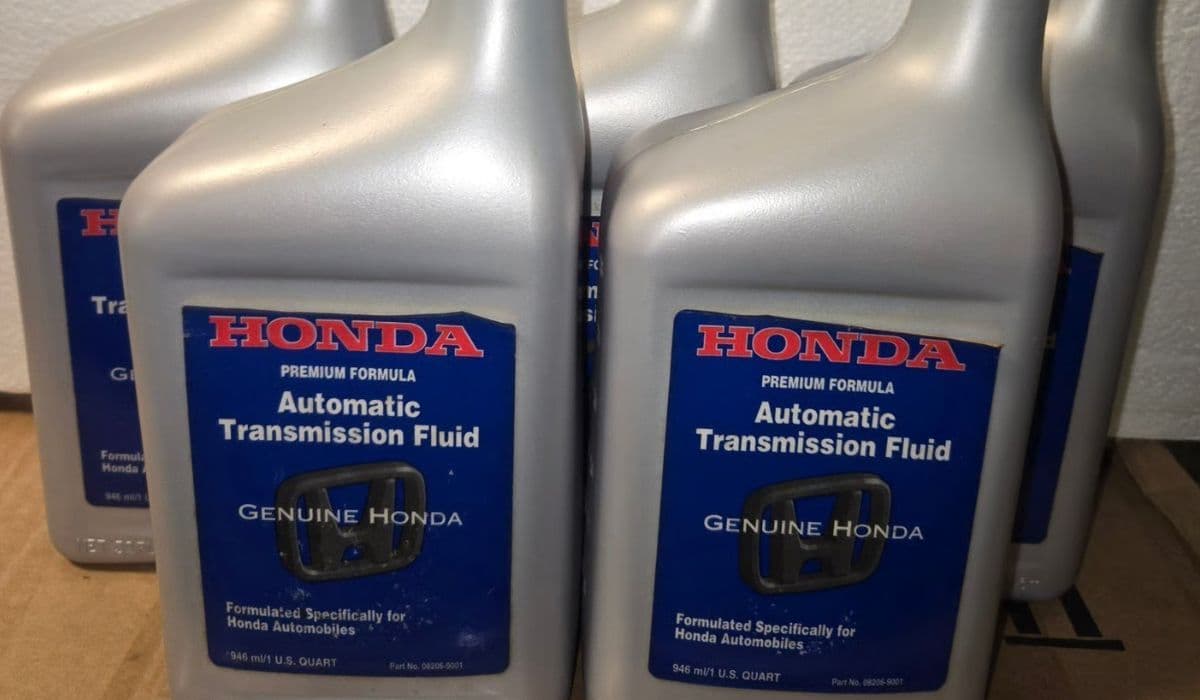
Frequent oil changes stand as the frontline defense against dilution in the 1.5T engine. Unlike traditional intervals that stretch to 10,000 miles or more, shortening this cycle helps purge contaminated oil before it causes harm. The key is consistency; regular refreshes maintain the oil's integrity, ensuring it lubricates effectively under the stresses of turbo boosting.
Consider how the engine's design amplifies the need for vigilance. The turbocharger demands robust oil film strength to handle high speeds and heat, but diluted oil thins out, increasing friction. By swapping oil more often, you remove accumulated fuel residues, restoring the lubricant to its optimal state. This approach not only preserves engine health but also enhances fuel efficiency and throttle response, as a clean system operates with less resistance.
To implement this effectively:
Monitor driving patterns; urban commuters may need changes every 3,000-5,000 miles.
Use high-quality synthetic oils that resist breakdown better in turbo environments.
Always replace the filter during changes to avoid reintroducing contaminants.
Such habits transform routine maintenance into a performance booster, keeping the Civic's peppy character intact.
Identifying Early Signs of Oil Dilution
Spotting oil dilution early can save Honda Civic 1.5T owners from major headaches. Subtle indicators often appear before severe damage sets in, allowing for timely intervention. A key symptom is an unexpected increase in oil level, as fuel infiltration swells the volume. Dipstick checks should become a habit, especially after short drives.
Another telltale sign is the oil's appearance and smell—healthy oil is amber and slick, but diluted versions turn darker, thinner, and emit a petrol-like aroma. Performance-wise, you might experience rough idling, reduced power during acceleration, or even check engine lights triggered by sensors detecting imbalances.
In advanced cases, excessive dilution can lead to knocking sounds from the engine bay, signaling inadequate lubrication. To stay ahead:
Perform weekly dipstick inspections, noting any level fluctuations.
Pay attention to exhaust smoke; bluish hues might indicate oil burning due to dilution.
Track fuel economy; a sudden drop could hint at internal inefficiencies.
By recognizing these cues, drivers empower themselves to act swiftly, preserving the engine's reliability.
Best Practices for Oil Maintenance in Your Civic
Maintaining oil in a Honda Civic 1.5T goes beyond just changes; it involves a holistic approach to engine care. Start with selecting the right oil specification—Honda recommends 0W-20 full synthetic for its low viscosity and thermal stability, which helps combat dilution in turbo applications.
Warm-up routines play a crucial role. Avoid revving the engine cold; instead, allow gentle driving until it reaches operating temperature, minimizing fuel blow-by. For those in harsh winters, consider block heaters to pre-warm the engine, reducing cold-start dilution.
Incorporate these strategies for optimal results:
Schedule changes based on time, not just mileage—every six months if driving is minimal.
Use oil analysis kits periodically to quantify dilution levels scientifically.
Combine changes with inspections of related systems, like the PCV valve, to ensure proper ventilation and reduce crankcase pressure.
Adopting these practices not only averts dilution but also elevates the driving experience, with smoother shifts and sustained torque.
Long-Term Benefits of Diligent Oil Management
Proactive oil management in the Honda Civic 1.5T yields rewards that extend far beyond immediate fixes. Engines treated to frequent changes often outlast their counterparts, boasting lower wear rates and fewer breakdowns. This reliability translates to fewer shop visits, letting owners focus on the joy of driving rather than repairs.
Moreover, a well-maintained 1.5T retains its efficiency edge, delivering impressive mpg figures even as miles accumulate. Enthusiasts report crisper turbo spool-up and consistent power delivery, attributes that define the Civic's appeal. Environmentally, cleaner oil means reduced emissions from incomplete combustion byproducts.
To maximize these advantages:
Document maintenance logs for resale value, proving your commitment to care.
Experiment with driving styles; highway runs help evaporate fuel from oil.
Stay informed on manufacturer updates, as software tweaks sometimes address dilution indirectly.
Ultimately, embracing frequent changes fosters a deeper connection with your vehicle, turning potential pitfalls into opportunities for enhanced performance and longevity.
More from Honda
How to Fix 11th Generation Honda Civic Screen Delamination (2022–2024 Models)
08.12.2025 12:32
How to Disable Honda Walk Away Auto Lock Forever
08.12.2025 12:44
Honda Civic Low Beam Headlight Bulb Replacement Trick That Saves Hours and Broken Clips
08.12.2025 09:38
Honda CR-V Vibration at Idle: Why Engine Mount Replacement Is Often the Real Fix
08.12.2025 09:22
How to Clean the Honda Accord Hybrid Battery Fan Yourself – Full DIY Guide
08.12.2025 08:55