How to Fix 11th Generation Honda Civic Screen Delamination (2022–2024 Models)
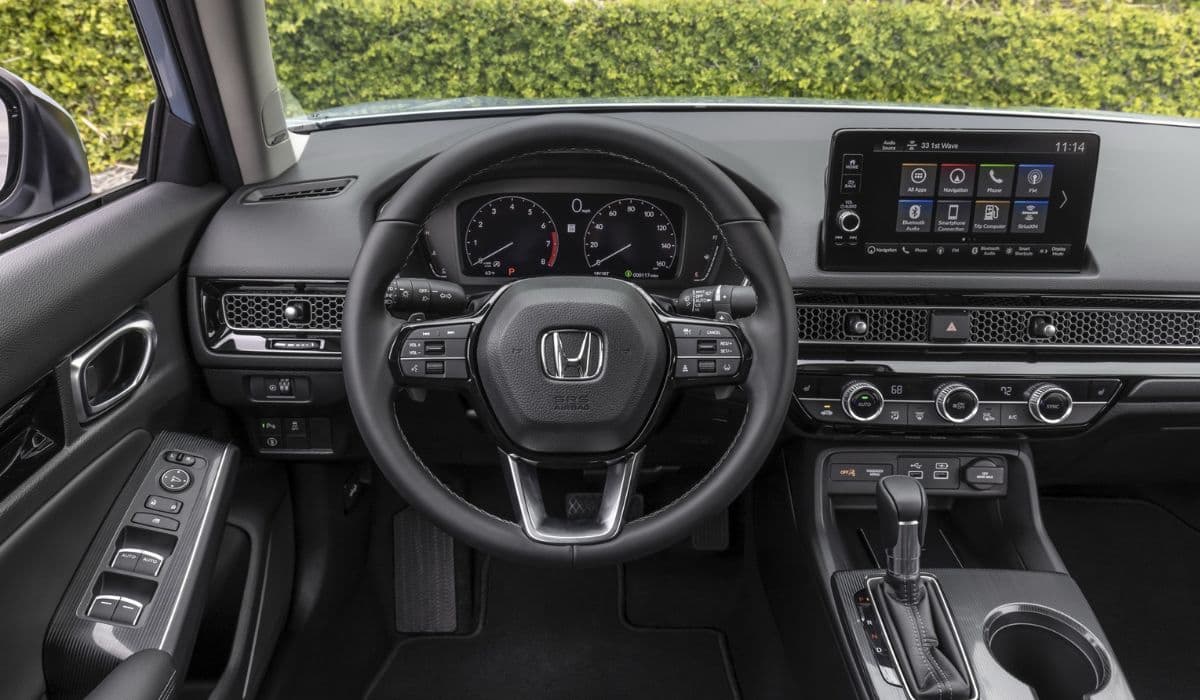
The 11th-generation Honda Civic (2022–2025 model years, including Civic Sedan, Hatchback, Si, and Type R) introduced a modern 9-inch touchscreen infotainment system that quickly became a common complaint point. Thousands of owners reported display delamination – a condition where the touch-sensitive layer separates from the LCD panel, creating bubbles, waves, ghost touches, or complete loss of touch functionality. This issue primarily affects vehicles built between early 2022 and mid-2024.
What Exactly Causes 11th Gen Civic Touchscreen Delamination
The root cause is adhesive failure between the optically clear adhesive (OCA) layer and the glass digitizer. Heat cycles, direct sunlight exposure, and humidity accelerate the degradation of the factory OCA film. Unlike simple “bubbling” seen in phone screens, Civic delamination often starts at the edges and progresses inward, eventually causing permanent air gaps that distort the image and make the touchscreen unresponsive in affected zones.
Honda has internally acknowledged the problem through multiple Technical Service Bulletins and quietly extended warranty coverage on the display assembly for certain VIN ranges.
Official Honda Warranty Coverage and Service Bulletin Details
Honda issued an internal service bulletin (not publicly numbered but referenced as “Display Audio Delamination”) that instructs dealers to replace the entire 9-inch Display Audio unit (part number 39710-T31-A01 or similar, depending on trim) at no cost if delamination is present, even outside the standard 3-year/36,000-mile warranty.
As of late 2024, Honda extended goodwill coverage to 6 years/unlimited mileage for this specific failure on 2022–2024 Civics. Owners with 2025 models built before September 2024 are also being approved case-by-case. Crucially, the warranty applies regardless of whether the vehicle is still under original ownership.
To confirm eligibility, visit any Honda dealer with your VIN – most service advisors now recognize the issue immediately when they see bubbles or separation.
DIY Temporary Fixes That Actually Work
While waiting for a dealer appointment or if your car is out of the extended coverage window, several proven temporary solutions can restore usability for months or even years.
The most effective method involves re-bonding the layers using specialized optically clear adhesive sheets (LOCAs) designed for automotive displays. Popular products include Photodon 9-inch OCA sheets cut to 197 mm × 117 mm and MMOBIEL optical adhesive strips originally made for iPads but perfectly sized for the Civic screen.
Step-by-Step Temporary Re-Bonding Process
Park the car in shade and let the interior cool completely (critical to prevent new bubbles).
Carefully pry off the silver trim bezel using plastic trim tools (starts at the bottom corners).
Remove four Phillips screws holding the display assembly.
Disconnect the two harnesses at the back and remove the entire unit.
Separate the delaminated digitizer from the LCD using fishing line or dental floss in a sawing motion (the old adhesive is already failed, so it comes apart easily).
Thoroughly clean both surfaces with 99% isopropyl alcohol and microfiber.
Apply new OCA sheet, aligning it perfectly using the camera cutout as reference.
Use a roller or credit card wrapped in microfiber to push out air bubbles from center toward edges.
Reassemble in reverse order.
Many owners report this DIY repair lasting 18–36 months even in hot climates like Florida and Arizona.
Permanent Aftermarket Replacement Options
When Honda goodwill is no longer available, replacement costs at dealerships exceed $1,200–$1,600 for parts and labor. Aftermarket solutions have emerged that are significantly improved over OEM.
Top recommended upgraded displays:
Android-based 9-inch units from brands like Teyes, Joying, and Mekede with latest Snapdragon chips, wireless CarPlay/Android Auto, and most importantly – UV-resistant OCA that doesn’t delaminate.
OEM-style plug-and-play units from Dasaita and Ezonetronics using original Honda connectors and retaining all steering wheel controls and factory camera.
Re-manufactured genuine Honda displays from suppliers like Greentec Auto with upgraded adhesive (warranty 2–3 years).
These aftermarket screens typically cost $350–$650 installed and solve the delamination problem permanently thanks to better adhesive formulations.
Climate-Specific Prevention Methods
Owners in southern states have developed effective prevention strategies:
Ceramic window tint with minimum 70% VLT on windshield and 35% on side windows dramatically reduces interior heat buildup.
Custom-cut 3M Crystalline or LLumar AIR series windshield film specifically rejects infrared while maintaining clarity.
Dashboard covers and windshield sunshades used religiously when parked outdoors.
Parking in shade or using garage whenever possible.
Never using ammonia-based glass cleaners on the screen (Windex destroys anti-fingerprint coating and accelerates delamination).
How to Identify Early-Stage Delamination Before It Worsens
Catch it early for easiest repair:
Small bubbles or waves appearing at the very edges, especially top corners.
Slight rainbow effect when screen is off and viewed at angle.
Touch becoming intermittently unresponsive in specific areas.
Ghost touches or “phantom” inputs without touching the screen.
At this stage, many owners successfully press the bubbles flat with a microfiber and warm (not hot) air from a hairdryer, then apply edge sealing tape to prevent moisture ingress.
Differences Between Trim Levels and Production Dates
Early 2022–2023 EX, Sport Touring, and Si models suffer the highest failure rate (estimated 60–70% of vehicles). The Type R uses a different display supplier and has near-zero reported cases. Vehicles built after June 2024 appear to use an improved adhesive batch – delamination reports have dropped dramatically on late-2024 and 2025 production.
The problem affects both 7-inch and 9-inch systems, but the larger 9-inch screen shows symptoms faster due to greater surface area and heat absorption.
Long-Term Ownership Recommendations
For current 11th-gen Civic owners planning to keep the car beyond 100,000 miles, proactive replacement with an aftermarket Android head unit is increasingly considered the smart move. These units not only eliminate delamination risk but add modern features Honda still hasn’t implemented: 360° cameras, faster processors, OTA updates, and better sound processing.
The original Honda head unit design, while clean and integrated, uses now-outdated hardware and the problematic lamination process that multiple manufacturers abandoned years ago.
More from Honda
How to Fix and Prevent Premature Brake Wear on Honda Accord 2018–2022
08.12.2025 12:06
10th Gen Honda Civic AC Compressor Clutch Replacement – Complete DIY Guide
08.12.2025 12:12
How to Permanently Fix 2008-2017 Honda Odyssey Sliding Door Cable Snap (Complete DIY Repair Guide)
08.12.2025 12:18
Honda CR-V Vibration at Idle: Why Engine Mount Replacement Is Often the Real Fix
08.12.2025 09:22
Honda Pilot 9-Speed ZF Transmission Fluid Change DIY: Complete Step-by-Step Guide
08.12.2025 09:15