Honda Civic Si: OEM Brake Pads vs Aftermarket Guide
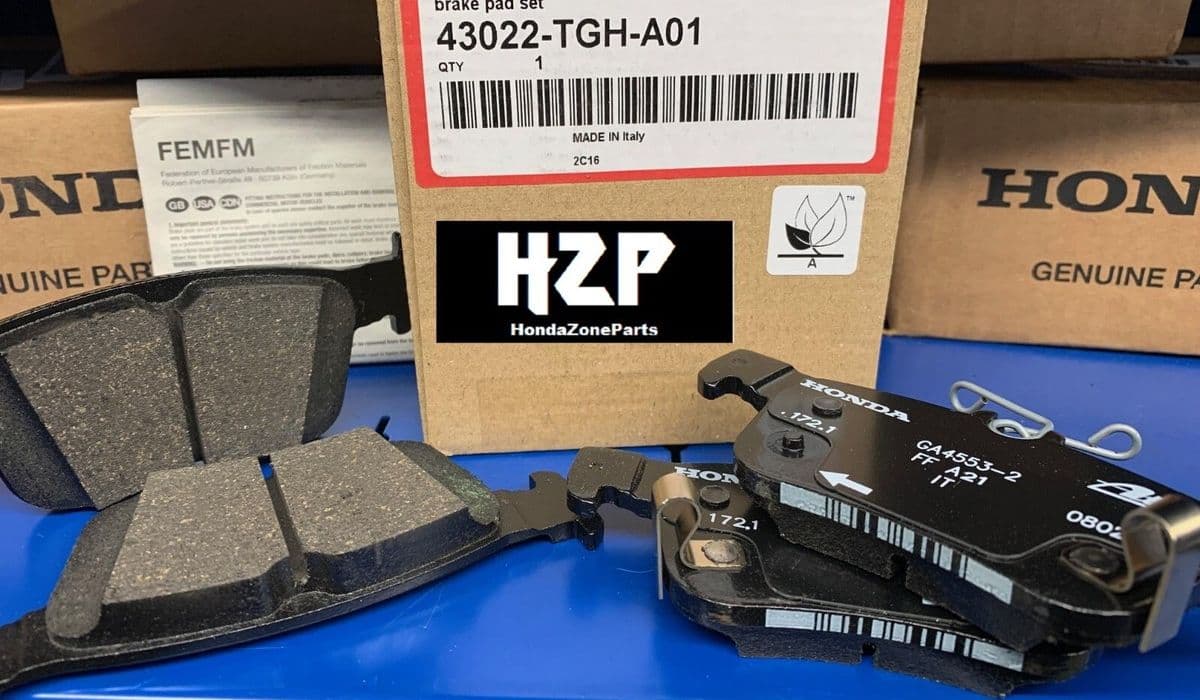
The Honda Civic Si stands out as a sporty compact car that blends everyday usability with thrilling performance. Enthusiasts love its responsive handling and turbocharged engine, but maintaining optimal stopping power is crucial for both track days and city commutes. Brake pads play a pivotal role in this equation, converting kinetic energy into heat through friction against the rotors. For Civic Si owners, choosing between original equipment manufacturer (OEM) pads and aftermarket alternatives can significantly impact driving dynamics, safety, and longevity.
These components aren't just simple friction materials; they're engineered with specific compounds like ceramic, semi-metallic, or organic blends. Each type influences pedal feel, heat dissipation, and wear rates. In the Civic Si's setup, which often features larger rotors and performance-oriented calipers, the right pads ensure consistent braking even under spirited driving. Factors such as rotor compatibility and anti-lock braking system (ABS) integration further complicate the decision, making a thorough comparison essential.
What Are OEM Brake Pads?
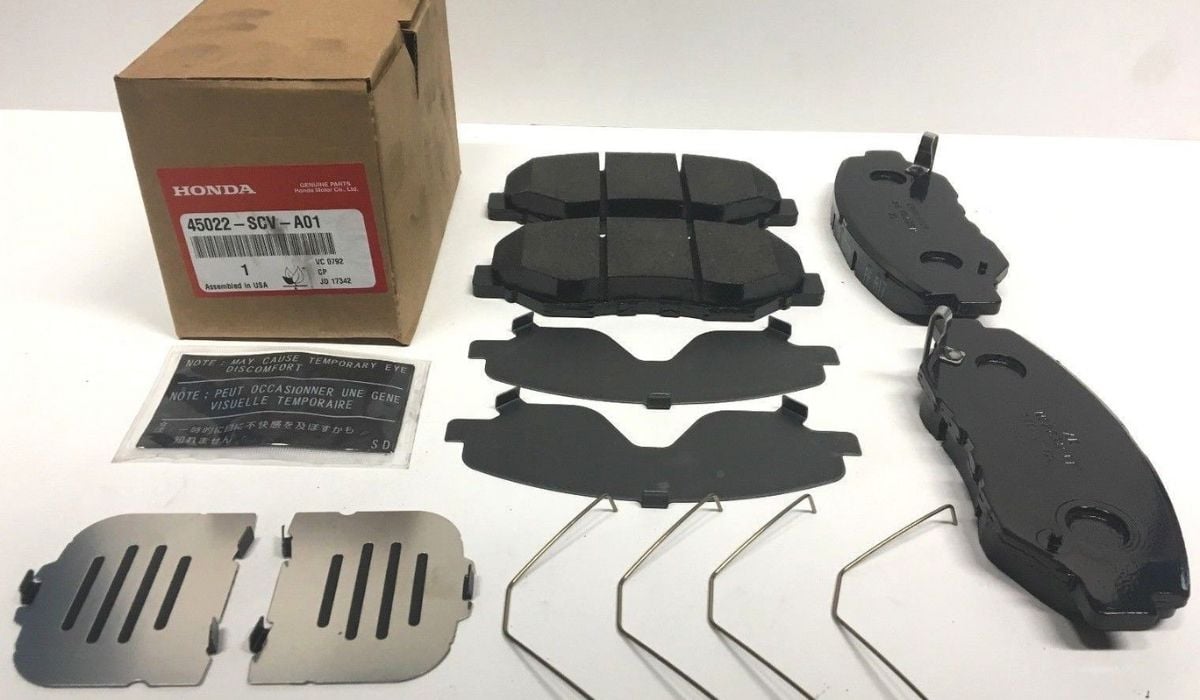
OEM brake pads come directly from Honda or its approved suppliers, designed specifically for the Civic Si's braking system. These pads match the factory specifications, ensuring seamless integration with the vehicle's original components. They're crafted to meet stringent quality standards, often incorporating noise-dampening shims and precise chamfering to minimize vibrations.
In practice, OEM pads provide a balanced performance tailored to the Civic Si's weight distribution and suspension tuning. They're tested extensively in various conditions, from highway cruising to aggressive cornering, guaranteeing reliability straight from the dealership.
Advantages of OEM Brake Pads
Opting for OEM pads offers several compelling benefits that align with the Civic Si's engineering ethos.
Reliable Consistency: These pads deliver predictable stopping power, maintaining the factory-intended brake feel without surprises during emergency maneuvers.
Warranty Compliance: Using OEM parts helps preserve your vehicle's warranty, avoiding potential disputes with service centers.
Minimal Dust and Noise: Engineered for low dust output, they keep wheels cleaner, while built-in features reduce squealing for a quieter ride.
Long-Term Durability: Matched to the Civic Si's rotors, they promote even wear, extending the life of the entire braking system.
This approach suits drivers who prioritize a stock-like experience, especially those who value the car's original performance characteristics.
Disadvantages of OEM Brake Pads
Despite their strengths, OEM options aren't without limitations, particularly for enthusiasts pushing the Civic Si harder.
Limited Performance Upgrades: They may not handle extreme heat as well during repeated high-speed stops, leading to fade in demanding scenarios.
Standard Formulation: Lacking specialized compounds, they might not offer the aggressive bite desired for autocross or track events.
Availability Constraints: Sourcing them can be tied to dealership networks, potentially delaying replacements during urgent needs.
These drawbacks highlight why some owners explore beyond factory specs.
Exploring Aftermarket Brake Pads
Aftermarket brake pads, produced by third-party manufacturers, provide a vast array of choices beyond Honda's originals. Brands focus on innovation, offering pads with advanced materials like carbon-ceramic composites or sintered metals, customizable for different driving styles. For the Civic Si, these can enhance modulation and reduce unsprung weight, appealing to tuners.
The market includes options from reputable companies that often exceed OEM in specific areas, backed by independent testing. This diversity allows Civic Si owners to tailor their setup, whether for daily driving or weekend warrior duties.
Benefits of Aftermarket Options
Aftermarket pads shine in scenarios where customization elevates the driving experience.
Enhanced Stopping Power: Many feature high-friction compounds that shorten stopping distances, ideal for the Civic Si's spirited nature.
Improved Heat Resistance: Designed for better thermal management, they resist fade during prolonged aggressive use, like mountain roads or lapping sessions.
Variety of Compounds: Options range from low-dust ceramics for street comfort to semi-metallics for track grip, matching personal preferences.
Cost-Effective Upgrades: They often provide superior performance without requiring full system overhauls, extending value for modified vehicles.
Such versatility makes them a go-to for enthusiasts seeking to unlock the Civic Si's full potential.
Potential Drawbacks of Aftermarket Pads
However, venturing into aftermarket territory requires caution to avoid pitfalls.
Compatibility Issues: Not all pads fit perfectly, potentially causing uneven wear or rotor damage if not matched to the Civic Si's specs.
Increased Noise Levels: Some aggressive formulations produce more squeal or groan, disrupting the otherwise refined cabin.
Variable Quality: With numerous brands, subpar options might wear faster or generate excessive dust, necessitating thorough research.
Warranty Risks: Installing non-OEM parts could void certain coverages, though many reputable aftermarkets offer their own guarantees.
Balancing these against benefits is key for informed choices.
Key Factors to Consider When Choosing
Selecting brake pads for your Honda Civic Si involves weighing multiple aspects to align with your driving habits.
Driving Style: Daily commuters might favor OEM for smoothness, while performance seekers lean toward aftermarket for bite.
Environmental Conditions: In wet or dusty areas, low-dust pads prevent buildup, whereas hot climates demand fade-resistant materials.
Rotor Compatibility: Ensure pads suit your rotors—vented, slotted, or drilled—to avoid premature failure.
Maintenance Frequency: Consider how often you're willing to inspect and replace, as some aftermarkets require more attention.
Evaluating these ensures a setup that enhances safety and enjoyment.
Installation and Maintenance Tips
Proper installation maximizes the performance of any brake pads on the Civic Si.
Start with a clean workspace and necessary tools like a torque wrench for precise caliper bolting. Bedding-in the pads—through controlled stops—helps transfer material evenly to rotors, reducing initial vibrations.
For maintenance:
Regular Inspections: Check pad thickness every oil change, looking for uneven wear that signals alignment issues.
Rotor Resurfacing: Pair new pads with fresh or machined rotors to prevent pulsation.
Fluid Flush: Refresh brake fluid periodically to maintain hydraulic efficiency.
Noise Monitoring: Address any unusual sounds promptly to avoid escalating problems.
These practices keep your Civic Si's brakes responsive and reliable.
Performance Comparison in Real-World Scenarios
In everyday traffic, OEM pads excel with smooth, progressive engagement, making the Civic Si forgiving in stop-and-go situations. Aftermarket pads, however, transform the car during enthusiastic drives, offering sharper initial bite for confident overtakes.
On twisty roads, aftermarkets often provide superior modulation, allowing precise control mid-corner. Yet, in cold weather, OEM might warm up faster, ensuring consistent performance from startup. Track enthusiasts report aftermarket options sustaining higher speeds without fade, though they demand vigilant cooling.
Ultimately, the choice hinges on blending these traits with your unique needs, turning the Civic Si into a personalized machine.
More from Honda
How to Fix 11th Generation Honda Civic Screen Delamination (2022–2024 Models)
08.12.2025 12:32
How to Disable Honda Walk Away Auto Lock Forever
08.12.2025 12:44
Honda CR-V: Rear Differential Fluid Change for AWD Models
24.12.2025 06:39
Honda Civic Low Beam Headlight Bulb Replacement Trick That Saves Hours and Broken Clips
08.12.2025 09:38
How to Clean the Honda Accord Hybrid Battery Fan Yourself – Full DIY Guide
08.12.2025 08:55