Door Lock Actuator Failure Prevention Honda Accord
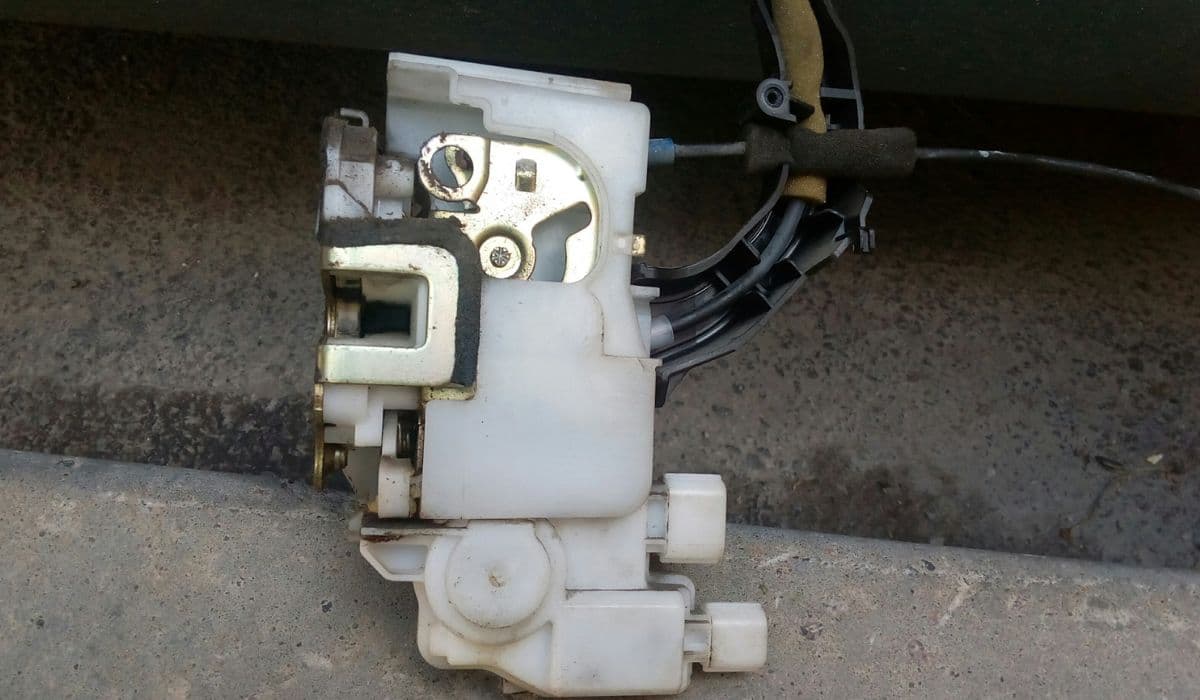
Door lock actuators are the unsung heroes of your Honda Accord's security system. These small yet crucial components convert electrical signals into mechanical action, allowing you to lock and unlock doors effortlessly with a key fob, button, or even automatically. In models like the Honda Accord, actuators are typically integrated into the door latch assembly, working in tandem with the power door lock system. Imagine rushing to your car in a downpour, only to find the doors won't respond—that's often the actuator at fault.
What makes these parts fascinating is their blend of electronics and mechanics. Each actuator features a motor, gears, and switches that endure thousands of cycles over the vehicle's life. For Honda Accord owners, especially those with models from the 2000s onward, understanding this setup is key to longevity. Actuators in Accords are known for their reliability, but like any moving part, they can wear down due to environmental factors or overuse.
Common Causes of Door Lock Actuator Failure
Failures don't happen overnight; they're often the result of accumulated stress. One primary culprit is moisture intrusion. Honda Accords, with their sleek door designs, can allow water to seep in during heavy rains or car washes, leading to corrosion inside the actuator. Over time, this rusts the internal components, causing them to seize up.
Another issue stems from electrical problems. Faulty wiring or a weak battery can send inconsistent signals, forcing the actuator to work harder than necessary. In older Accords, like the 8th or 9th generation, vibrations from rough roads can loosen connections, exacerbating the problem.
Extreme temperatures play a role too. In hot climates, plastic parts within the actuator can warp, while cold weather makes lubricants thicken, increasing resistance. Additionally, overuse—think families with kids constantly locking and unlocking—accelerates gear wear.
Signs of Impending Actuator Failure
Catching issues early can save you from being locked out at the worst moment. Listen for unusual noises: a grinding or clicking sound when activating the locks often signals gear stripping inside the actuator.
Pay attention to inconsistent operation. If one door locks while others don't, or if the system works sporadically, it's a red flag. In Honda Accords, this might start with the driver's side, as it's used most frequently.
Visual cues include sluggish response times or doors that don't fully latch. Sometimes, the interior lights flicker when locking, indicating an electrical draw issue. If your key fob battery is fresh but the locks hesitate, the actuator could be drawing too much power.
Preventive Maintenance Tips for Longevity
Keeping your Honda Accord's door lock actuators in top shape requires proactive steps. Start with regular lubrication—use a silicone-based spray on the door mechanisms every six months to reduce friction.
Inspect door seals annually to prevent water entry; replace worn weatherstripping promptly.
Clean electrical contacts with a contact cleaner to avoid corrosion buildup.
Avoid slamming doors, as this shocks the actuators and can misalign components.
Park in shaded areas during summer to minimize heat exposure.
Battery health is vital too. Test your car's battery voltage regularly; a reading below 12.4 volts when off can strain the system. For Accord owners in humid areas, consider applying dielectric grease to wiring harnesses for added protection.
Incorporate gentle habits: use the key fob sparingly and opt for manual unlocking when possible to ease the load on actuators.
DIY Checks and Simple Fixes
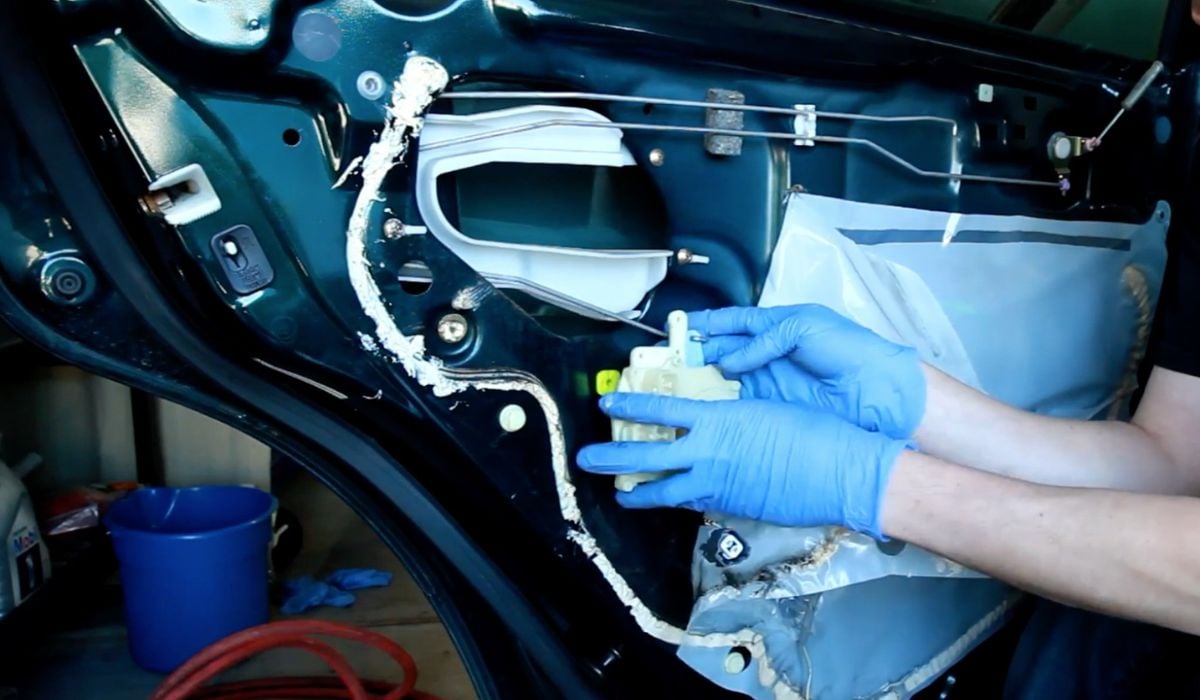
Empower yourself with basic diagnostics. Begin by testing the fuses—locate the fuse box under the dashboard and check the power door lock fuse with a multimeter.
If a single door fails, remove the door panel (a straightforward process with a screwdriver and clips) to inspect the actuator visually. Look for broken rods or loose wires.
Disconnect and reconnect the actuator plug to reset connections.
Use a voltmeter to measure power at the actuator; it should show 12 volts when activated.
If gears are accessible, apply a light lubricant, but avoid overdoing it to prevent attracting dirt.
For minor issues, like a stuck solenoid, a gentle tap might free it temporarily, but plan for replacement soon. Always consult your Accord's manual for model-specific diagrams.
When to Seek Professional Assistance
While DIY can handle basics, complex failures demand expertise. If multiple doors are affected, it might indicate a central module issue, requiring diagnostic tools only pros have.
Mechanics can use scanners to read error codes from the body control module, pinpointing exact faults. In Honda Accords, especially hybrids, integrated systems mean actuator problems could tie into broader electrical concerns.
Choose a certified Honda technician for authentic parts that match your model's specs. They can also address underlying causes, like faulty switches, ensuring comprehensive prevention.
Regular servicing during oil changes allows techs to spot early wear, extending actuator life beyond typical expectations.
By staying vigilant and adopting these strategies, your Honda Accord's door locks will remain reliable, enhancing your driving experience without unexpected hitches.
More from Honda
How to Fix 11th Generation Honda Civic Screen Delamination (2022–2024 Models)
08.12.2025 12:32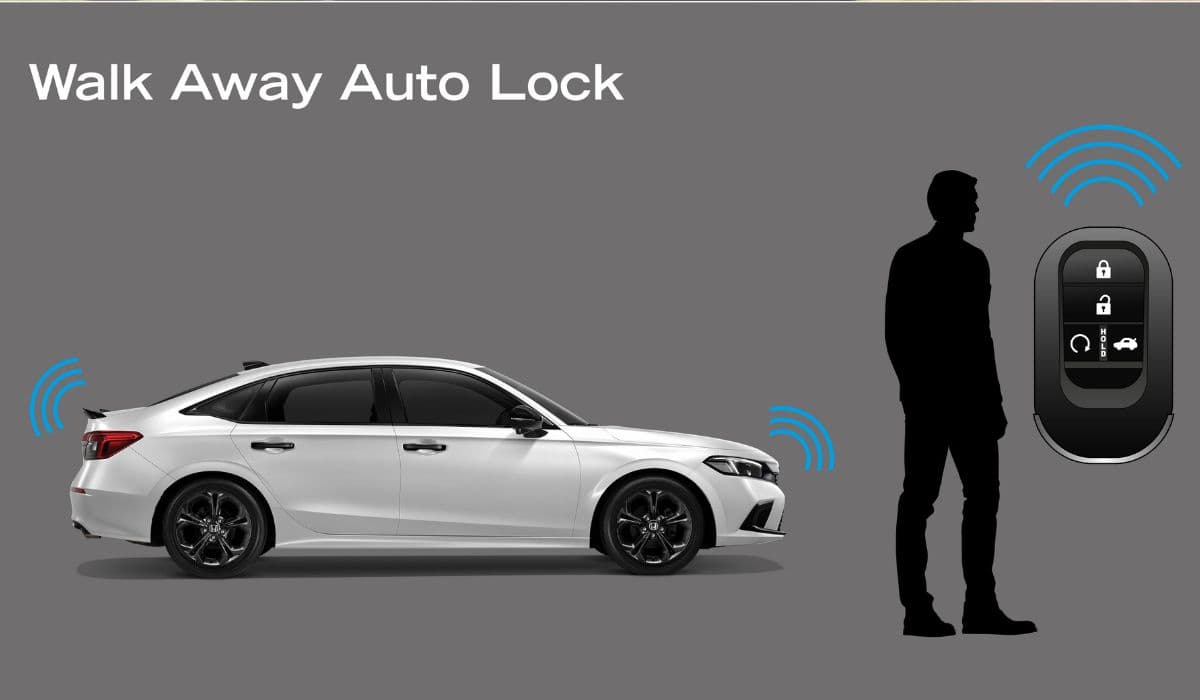
How to Disable Honda Walk Away Auto Lock Forever
08.12.2025 12:44
Honda CR-V: Rear Differential Fluid Change for AWD Models
24.12.2025 06:39
Honda Civic Low Beam Headlight Bulb Replacement Trick That Saves Hours and Broken Clips
08.12.2025 09:38
How to Clean the Honda Accord Hybrid Battery Fan Yourself – Full DIY Guide
08.12.2025 08:55