Honda Civic: Brake Rotor Warping Prevention Tips
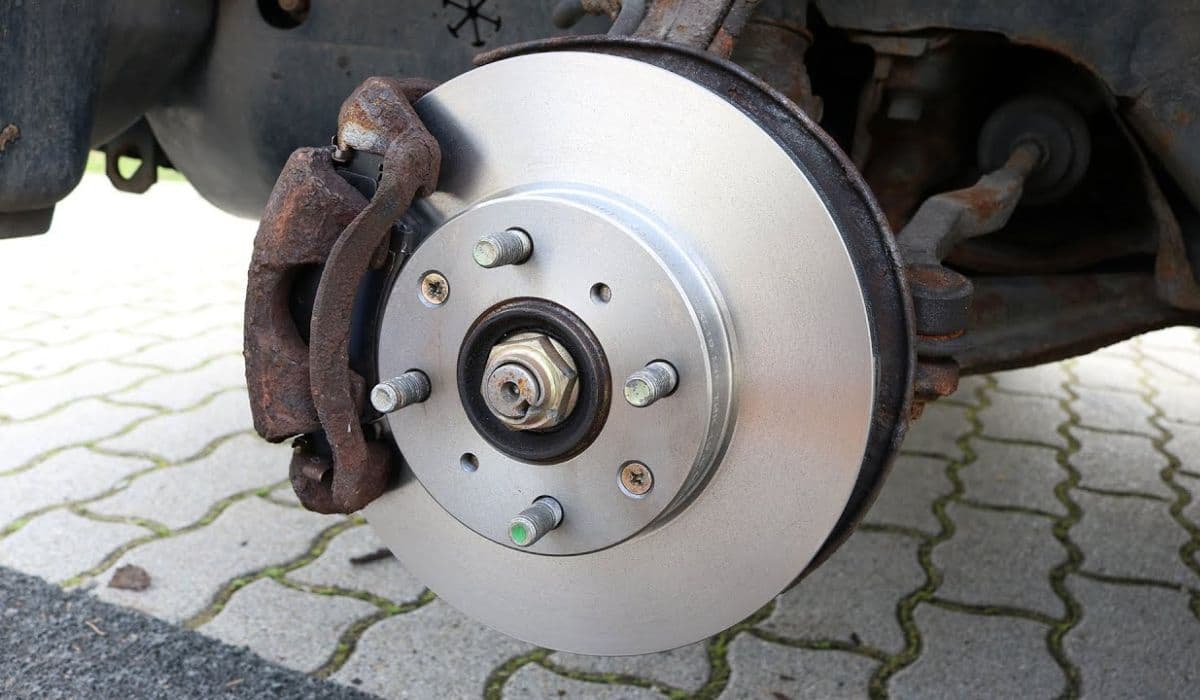
Brake rotor warping is a common issue that Honda Civic owners might encounter, especially in models known for their agile handling and daily commuting prowess. At its core, warping refers to the uneven surface of the brake rotors, which are the flat, disc-shaped components that your brake pads clamp onto to slow down or stop the vehicle. This distortion can lead to vibrations felt through the steering wheel or brake pedal, often mistaken for other problems like tire imbalance.
What causes this in a Honda Civic? Heat is the primary culprit. During aggressive braking, the rotors heat up rapidly and unevenly, particularly if you're navigating city traffic or winding roads where the Civic's responsive chassis shines. Over time, repeated heating and cooling cycles can cause the metal to warp. Material deposits from brake pads, known as pad transfer, can also mimic warping by creating high spots on the rotor surface. For Civic enthusiasts who push their cars on tracks or during spirited drives, understanding this phenomenon is crucial to maintaining that signature smooth ride.
Interestingly, Honda Civics from various generations, like the tenth-gen models with their turbocharged engines, are more prone to this due to higher performance demands. But it's not inevitable—preventive measures can keep your rotors flat and functional for thousands of miles.
Adopting Proper Driving Habits to Protect Rotors
Your driving style plays a pivotal role in rotor longevity. Honda Civics are designed for efficiency and fun, but abrupt habits can accelerate wear. Start by avoiding panic stops whenever possible. Instead, anticipate traffic and brake gradually, allowing heat to dissipate evenly across the rotor.
Ease off the gas early before stops to reduce speed naturally.
Use engine braking on downhills by downshifting, which lessens reliance on brakes.
In manual transmission Civics, match revs during shifts to minimize sudden loads.
Highway driving offers another opportunity: maintain consistent speeds to avoid frequent hard braking. For those with Civic Si variants, where sporty driving is tempting, incorporate cooldown laps after intense sessions. This means driving at moderate speeds without heavy braking to let rotors cool uniformly. Remember, warping often stems from thermal shock, like splashing through puddles right after a hot brake application—steer clear of water when brakes are steaming.
Urban commuters in Civics can benefit from route planning. Opt for paths with fewer stoplights to cut down on repetitive braking cycles. Over time, these habits not only prevent warping but enhance fuel efficiency, aligning with the Civic's eco-friendly ethos.
Essential Maintenance Routines for Rotor Health
Regular upkeep is your best defense against rotor issues in a Honda Civic. Begin with routine inspections during tire rotations, which Honda recommends every 5,000 to 7,500 miles depending on your model year. Check for uneven wear, grooves, or discoloration on the rotors—these are early warning signs.
Cleaning is key. Brake dust, a byproduct of pad friction, can build up and contribute to uneven heating. Use a soft brush and appropriate cleaner to remove residue without scratching the surface. Avoid high-pressure washers that might force water into sensitive areas.
Inspect brake fluid levels monthly, as low fluid can lead to overheating.
Flush the brake system every two years to remove moisture that lowers boiling points.
Torque lug nuts properly after wheel changes to prevent uneven pressure on rotors.
Bedding in new brake pads correctly is vital. This process involves a series of controlled stops to transfer pad material evenly onto the rotors, reducing the risk of deposits. For Civic owners upgrading to performance pads, follow manufacturer guidelines meticulously. Also, align your wheels regularly, as misalignment causes uneven brake wear, exacerbating warping tendencies.
In colder climates, where salt and grime accumulate, rinse the undercarriage seasonally to prevent corrosion that could indirectly affect rotor integrity. These steps ensure your Civic's braking system remains reliable, whether you're zipping through suburbs or embarking on road trips.
Selecting Quality Brake Components for Your Civic
Choosing the right parts can significantly mitigate warping risks. Honda Civics come with OEM rotors that are reliable, but aftermarket options abound for those seeking enhancements. Opt for rotors made from high-carbon cast iron, which handles heat better than standard materials, especially in hotter-running turbo models.
Slotted or drilled rotors can aid in heat dissipation and gas evacuation, but they're not always necessary for daily drivers—reserve them for track-oriented Civics. Pair them with ceramic or semi-metallic pads that produce less dust and transfer material more uniformly.
Research compatibility with your specific Civic generation to avoid fitment issues.
Consider ventilated rotors for better cooling in high-demand scenarios.
Avoid cheap, unbranded parts that might warp prematurely due to inferior metallurgy.
When replacing, always do so in pairs—front or rear—to maintain balanced braking. This symmetry prevents one side from overheating faster. For hybrid Civics, where regenerative braking shares the load, ensure components are rated for the unique stress patterns. Investing thoughtfully here extends rotor life and preserves the Civic's nimble stopping power.
Navigating Environmental and Usage Factors
External conditions heavily influence rotor warping in Honda Civics. In hot, arid regions, constant sun exposure can preheat components, making them more susceptible during use. Conversely, in rainy areas, moisture can cause rust, leading to uneven surfaces over time.
Adapt by parking in shaded spots or using car covers to minimize temperature extremes. For mountain dwellers, where descents involve prolonged braking, install heat shields if available for your model to deflect excess warmth.
Monitor for overloading; excess cargo increases braking demands.
Adjust for seasonal changes, like using winter tires that grip better and reduce hard stops.
In polluted urban environments, more frequent cleaning counters abrasive particle buildup.
Track enthusiasts should note that repeated high-speed stops amplify risks—incorporate brake cooling ducts if modifying your Civic. Daily users might overlook towing, but even light trailers add strain; use proper hitches and distribute weight evenly.
By addressing these factors, you safeguard your rotors, ensuring your Honda Civic delivers consistent performance across diverse conditions.
More from Honda
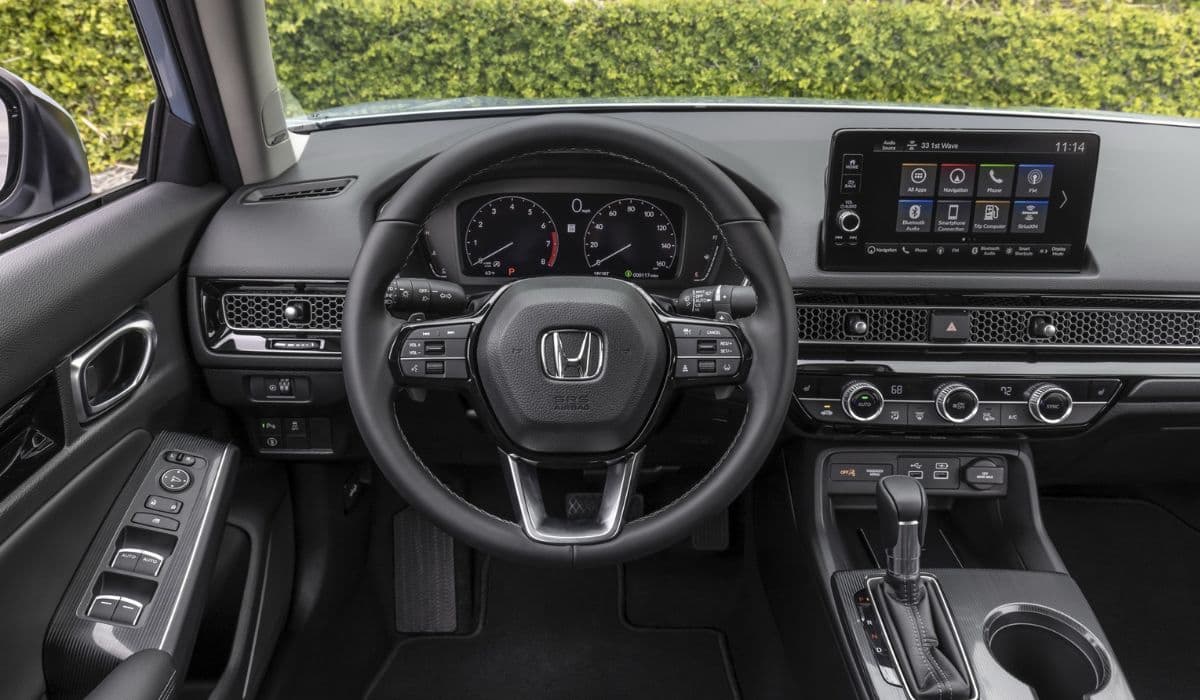
How to Fix 11th Generation Honda Civic Screen Delamination (2022–2024 Models)
08.12.2025 12:32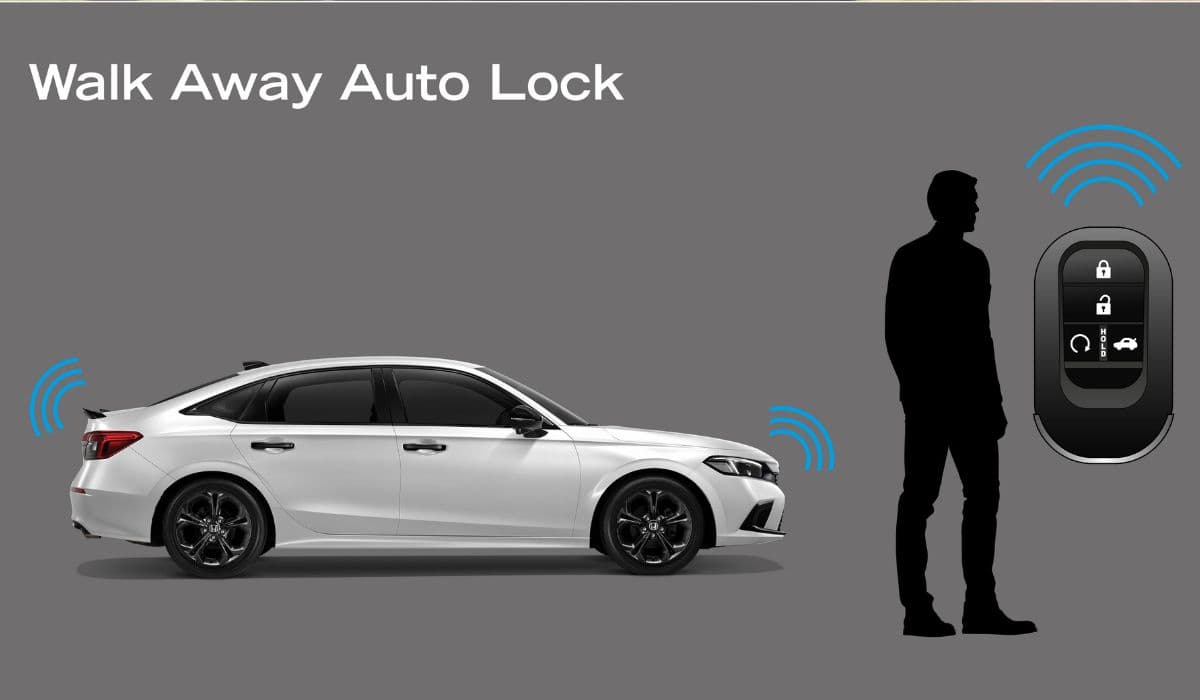
How to Disable Honda Walk Away Auto Lock Forever
08.12.2025 12:44
Honda Civic Low Beam Headlight Bulb Replacement Trick That Saves Hours and Broken Clips
08.12.2025 09:38
Honda CR-V Vibration at Idle: Why Engine Mount Replacement Is Often the Real Fix
08.12.2025 09:22
How to Clean the Honda Accord Hybrid Battery Fan Yourself – Full DIY Guide
08.12.2025 08:55