Honda Civic: Fuel Injector Cleaning for 1.5T Engines
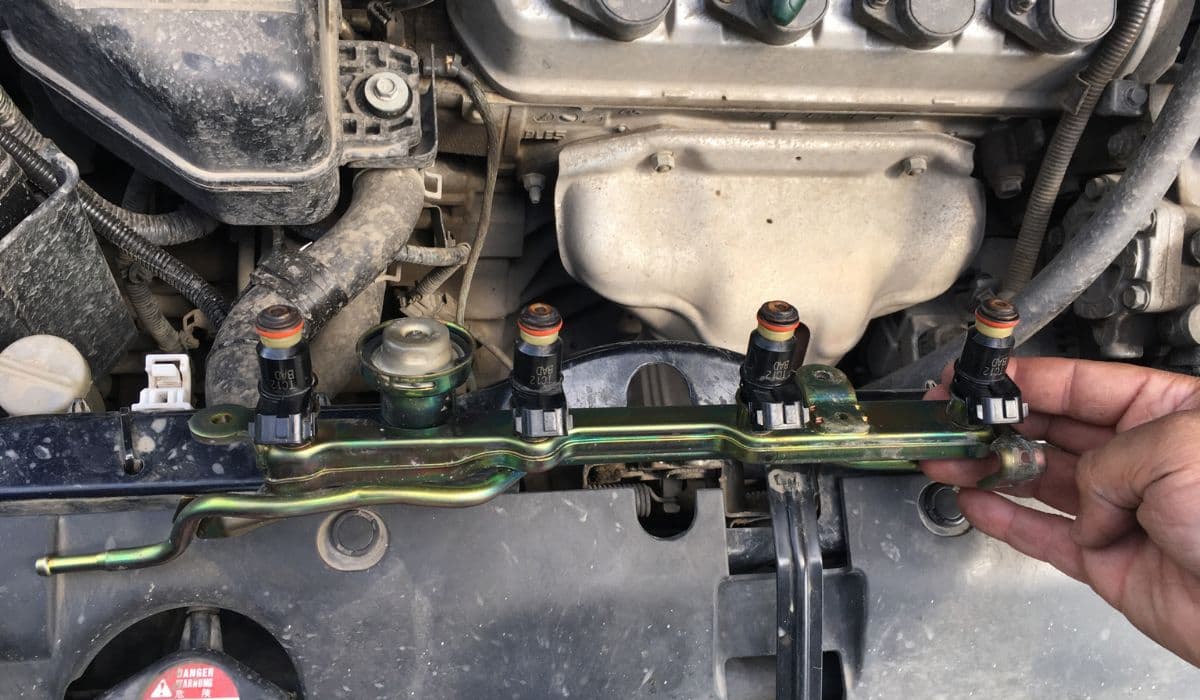
The Honda Civic's 1.5T engine represents a pinnacle of turbocharged efficiency, blending power with fuel economy in a compact package. At the heart of this system lie the fuel injectors, precision-engineered components that deliver gasoline directly into the combustion chamber. These injectors operate under high pressure, atomizing fuel into a fine mist for optimal mixing with air, which enhances combustion and boosts performance.
In the 1.5T setup, fuel injectors are exposed to intense heat and contaminants from everyday driving. Over time, deposits from low-quality fuel, carbon buildup, and impurities can clog their nozzles. This not only disrupts the spray pattern but also affects engine timing and efficiency. Imagine a garden hose with mineral buildup—water flow becomes erratic, much like how dirty injectors lead to uneven power delivery. For Civic owners passionate about maintaining that signature Honda reliability, grasping this mechanism is key to preventing minor issues from escalating into major headaches.
Signs of Clogged Fuel Injectors in Your Civic
Recognizing early warning signs can save you from frustrating drives and potential engine strain. Dirty injectors often manifest in subtle ways that build up over miles.
Rough idling: The engine might shake or vibrate at stoplights, as inconsistent fuel delivery disrupts the smooth rhythm of combustion.
Reduced acceleration: That turbo kick you love feels sluggish, with hesitation during overtakes or merging onto highways.
Poor fuel economy: Notice your MPG dipping? Clogged injectors waste fuel by not atomizing it properly, leading to incomplete burns.
Misfires or stumbling: During cold starts or under load, the engine may cough or hesitate, signaling uneven fuel distribution.
Check engine light: Modern Civics are smart; codes like P0171 (lean mixture) or P0300 (random misfire) often point straight to injector issues.
These symptoms aren't just annoyances—they hint at broader efficiency losses. If ignored, they could strain other components like the turbocharger or catalytic converter, turning a simple clean into a complex repair.
Benefits of Cleaning Fuel Injectors
Keeping injectors spotless unlocks the full potential of your 1.5T engine. Clean injectors restore that crisp throttle response, making every drive feel invigorating. Fuel efficiency rebounds, allowing you to stretch each tank further, especially on long commutes or road trips. Emissions drop as well, since better combustion means fewer unburnt hydrocarbons escaping the exhaust.
Beyond performance, regular cleaning extends engine longevity. By preventing carbon deposits from hardening, you avoid the domino effect on valves and pistons. Enthusiasts often report a smoother, quieter operation post-cleaning, with the turbo spooling up more eagerly. It's like giving your Civic a spa day—revitalized and ready to tackle twisty roads or urban traffic with renewed vigor.
DIY Cleaning Methods for 1.5T Injectors
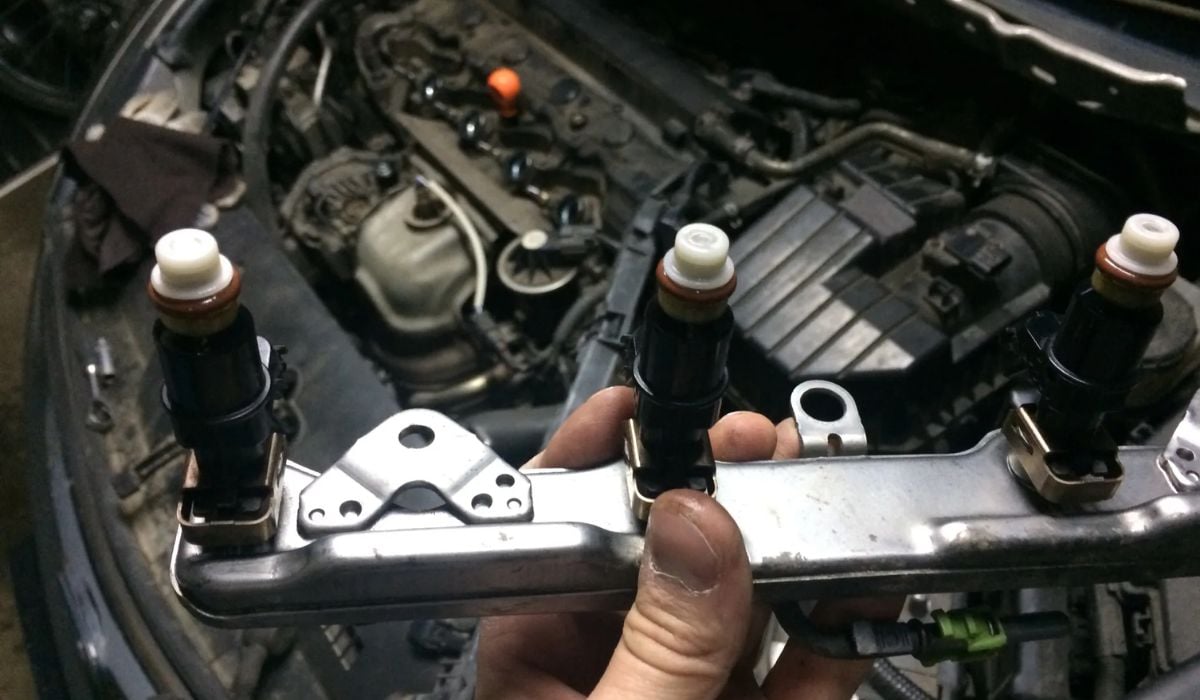
For hands-on owners, tackling injector cleaning at home can be rewarding, provided you have basic tools and patience. Always prioritize safety by disconnecting the battery and relieving fuel pressure first.
Fuel additive treatment: Pour a reputable injector cleaner into a near-empty tank, then fill up with premium fuel. Drive normally for a few hundred miles to let the chemicals dissolve deposits. This method is non-invasive and ideal for mild buildup.
On-car cleaning kit: Use a pressurized canister system connected to the fuel rail. With the engine running on the cleaner's solvent, it flushes contaminants through the injectors. Monitor RPM to ensure stability during the process.
Off-car ultrasonic cleaning: Remove the injectors (a bit more involved, requiring fuel line disconnection). Submerge them in an ultrasonic bath with a specialized solution, which vibrates away stubborn grime. Test spray patterns afterward with a bench setup.
Manual solvent soak: For budget-conscious DIYers, soak removed injectors in a carburetor cleaner overnight, then use compressed air to blow out debris. Reinstall with new O-rings for a secure seal.
Remember, while DIY saves effort, improper handling can damage sensitive electronics. Consult your Civic's manual for torque specs on reinstallation to avoid leaks.
When Professional Service Makes Sense
Sometimes, the complexity of the 1.5T's direct injection system calls for expert intervention. Professionals use advanced diagnostics to pinpoint exact issues, like flow rate testing that measures each injector's output precisely.
Dealerships or specialized shops often employ high-pressure flushing machines that cycle cleaners through the system under controlled conditions. This ensures thorough removal of varnish without risking engine components. If your Civic has high mileage or persistent codes, pros can inspect for underlying problems, such as faulty fuel pumps contributing to contamination.
Opting for pros also means access to OEM-approved methods, preserving warranty integrity. It's particularly wise after modifications like ECU tunes, where altered fuel maps might accelerate deposit formation.
Preventive Tips to Maintain Injector Health
Proactive habits can minimize the need for frequent cleanings, keeping your Civic's 1.5T purring like new.
Choose quality fuel: Stick to top-tier gasoline from reputable stations; their additives help deter deposits from forming.
Regular oil changes: Fresh oil reduces blow-by contaminants that can migrate to the fuel system.
Avoid short trips: Frequent cold starts allow more buildup; combine errands to let the engine reach full operating temperature.
Install a fuel filter upgrade: If your model allows, an inline filter catches impurities before they reach the injectors.
Monitor driving conditions: Dusty or polluted areas accelerate contamination—consider more frequent cleanings in such environments.
By integrating these practices, you'll enjoy consistent performance, turning routine drives into opportunities to appreciate the engineering marvel that is the Honda Civic 1.5T.
More from Honda
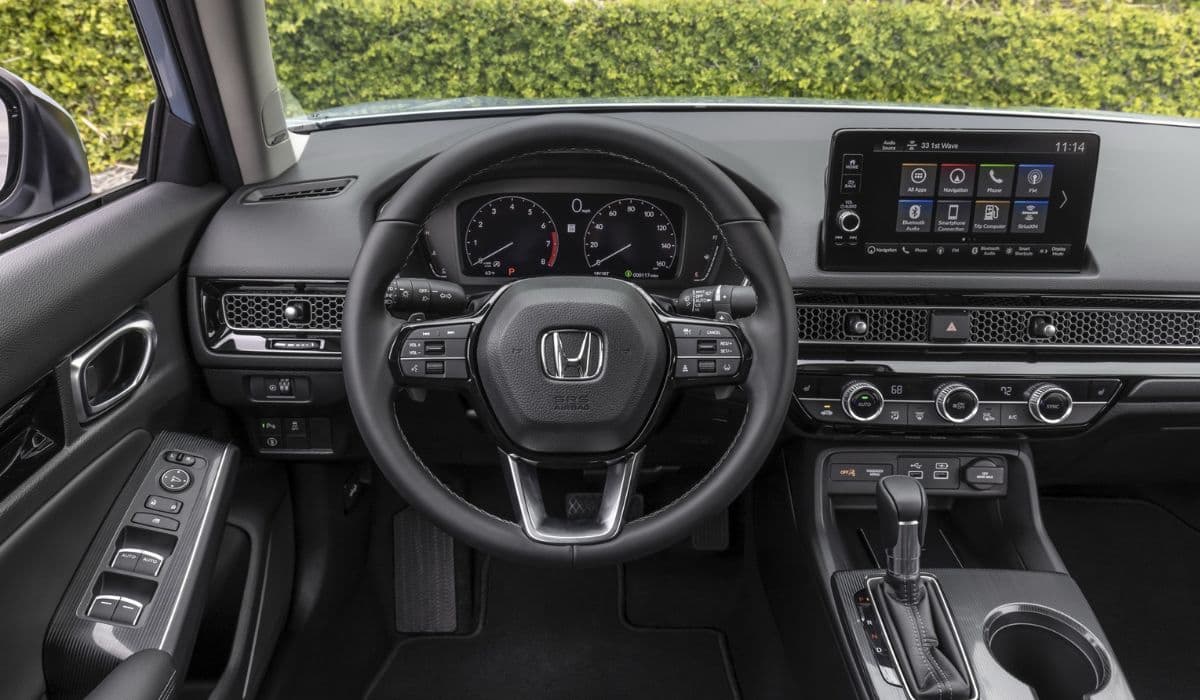
How to Fix 11th Generation Honda Civic Screen Delamination (2022–2024 Models)
08.12.2025 12:32
How to Disable Honda Walk Away Auto Lock Forever
08.12.2025 12:44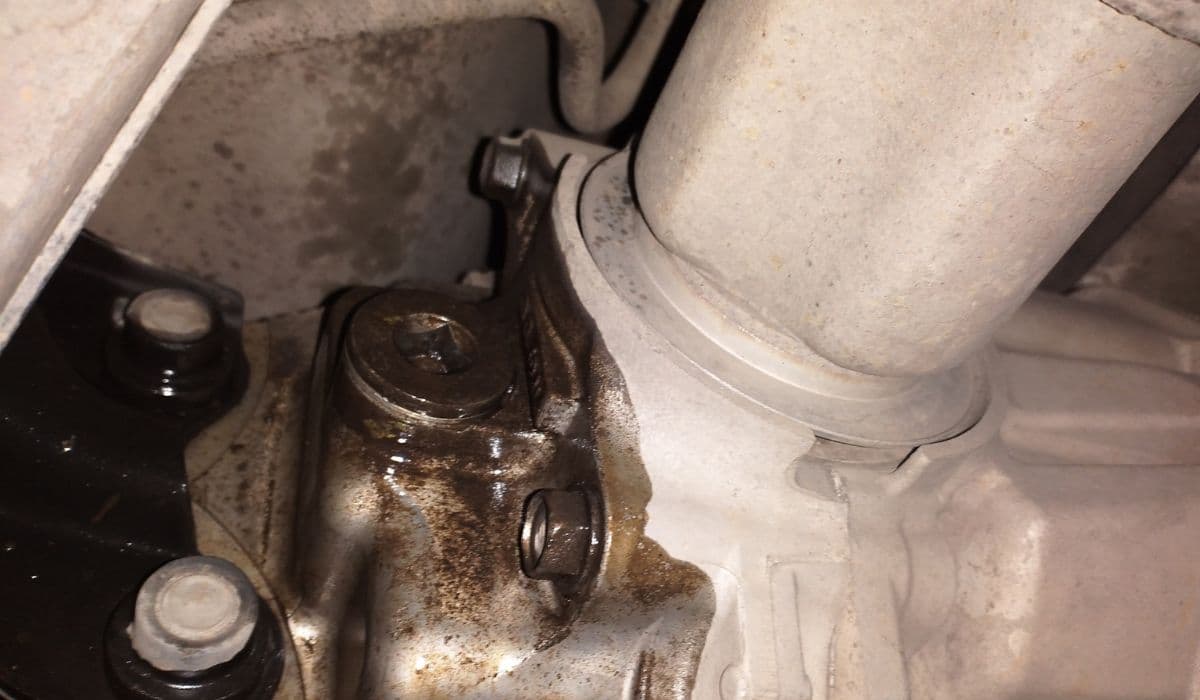
Honda CR-V: Rear Differential Fluid Change for AWD Models
24.12.2025 06:39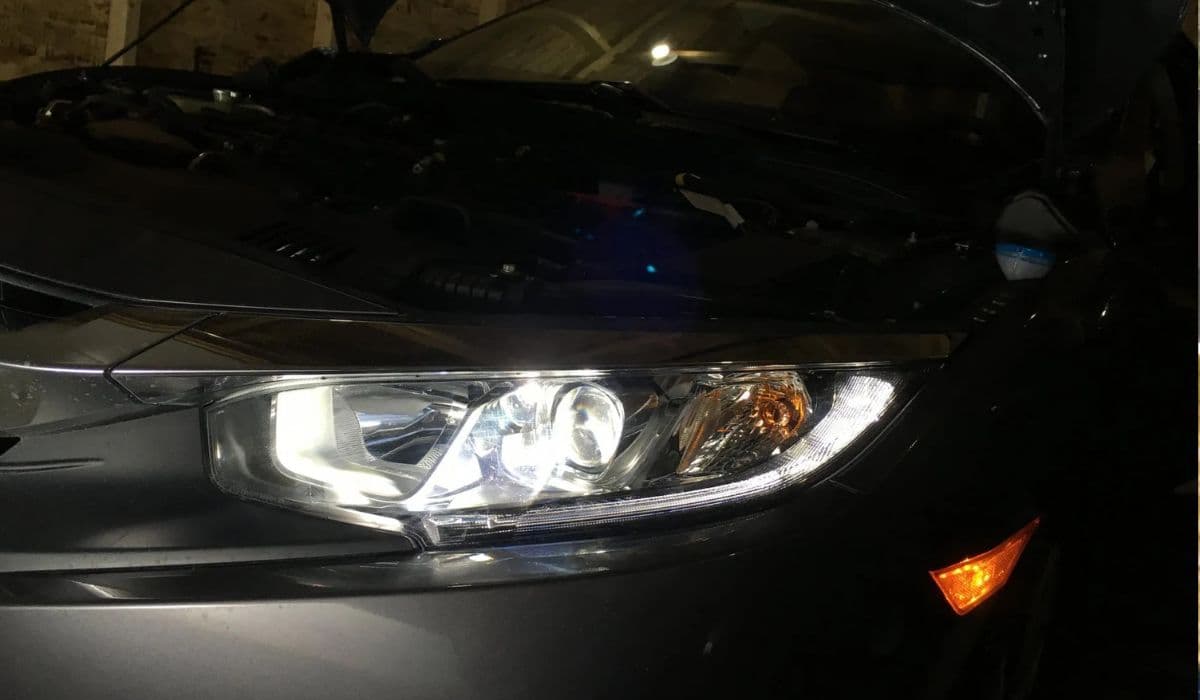
Honda Civic Low Beam Headlight Bulb Replacement Trick That Saves Hours and Broken Clips
08.12.2025 09:38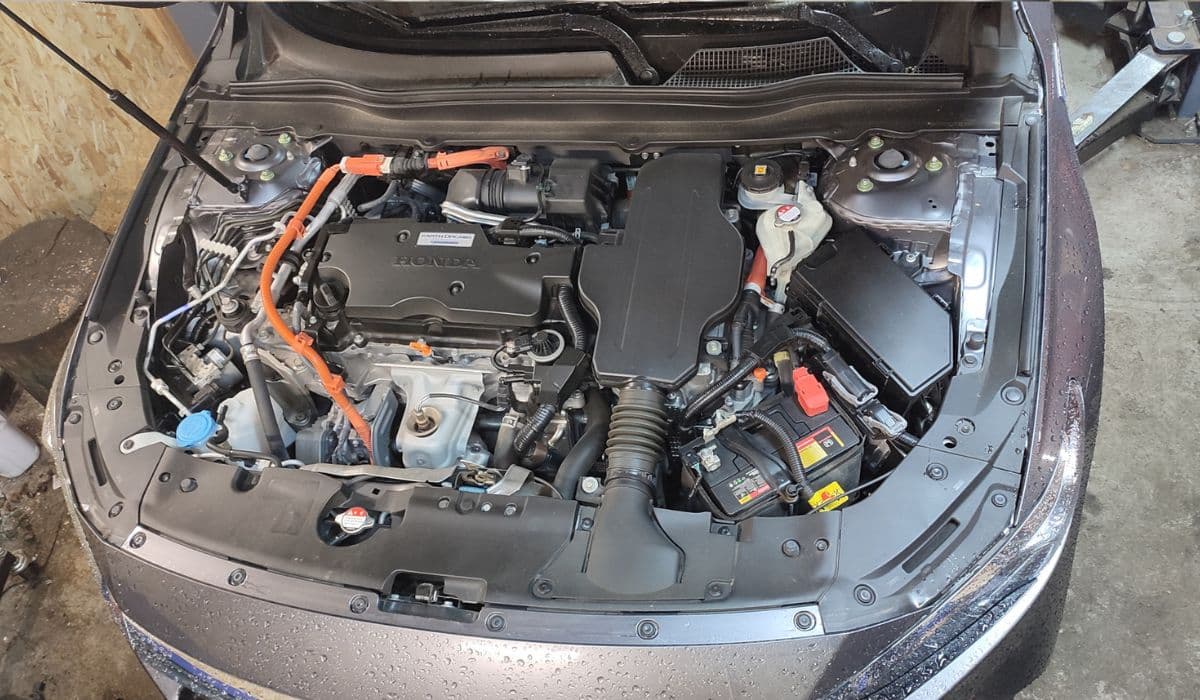
How to Clean the Honda Accord Hybrid Battery Fan Yourself – Full DIY Guide
08.12.2025 08:55