Honda CR-V: VTC Actuator Cold Start Rattle Prevention Tips
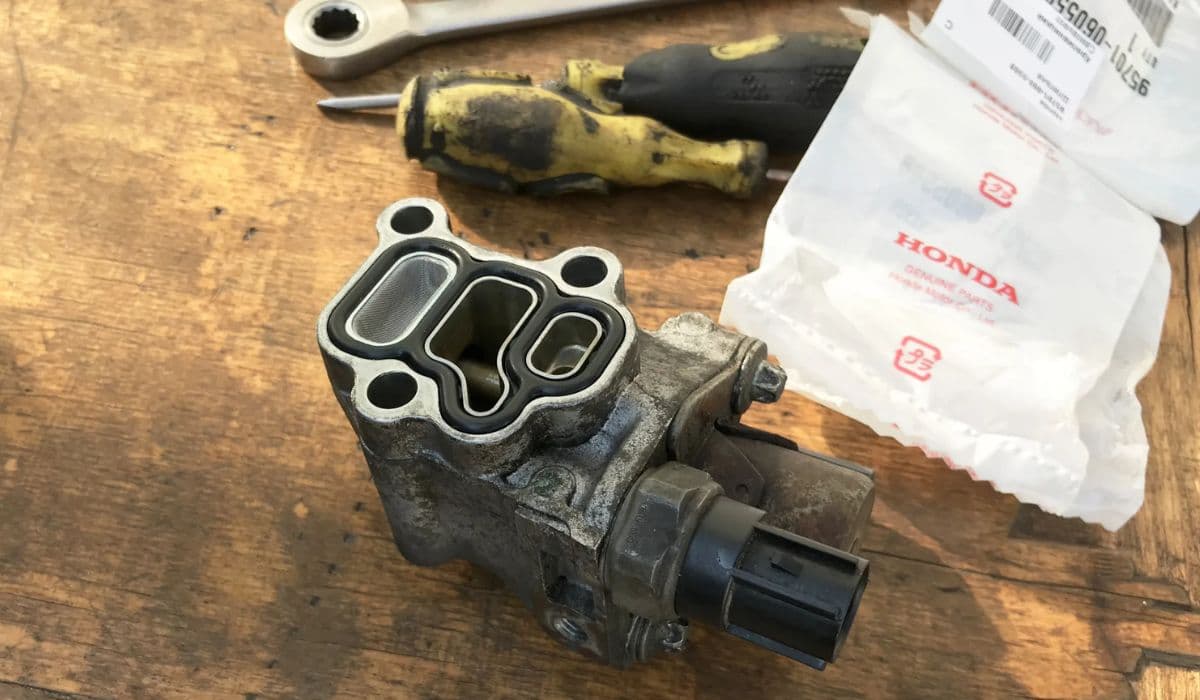
The Honda CR-V stands out as a reliable crossover SUV, beloved by drivers for its blend of performance, efficiency, and versatility. At the heart of its engine's sophisticated timing system lies the Variable Timing Control (VTC) actuator. This component is integral to Honda's Variable Valve Timing and Lift Electronic Control (VTEC) technology, which optimizes valve timing for better power delivery across various RPM ranges. In simpler terms, the VTC actuator adjusts the camshaft's position relative to the crankshaft, ensuring the engine breathes efficiently whether you're cruising on the highway or accelerating through city traffic.
For CR-V owners, especially those with models from the mid-2000s onward, the VTC actuator plays a crucial role in maintaining smooth operation. It's essentially a solenoid-operated mechanism that uses oil pressure to make precise adjustments. When functioning properly, it contributes to the CR-V's renowned fuel economy and responsive throttle. However, issues like cold start rattle can emerge, often linked to this very part. Recognizing how the VTC works helps in appreciating why preventive measures are vital for long-term engine health.
What Causes the Cold Start Rattle?
Cold start rattle in the Honda CR-V typically manifests as a brief, metallic clattering noise right after turning the key or pressing the start button on a chilly morning. This sound originates from the VTC actuator and is more pronounced in colder weather because oil viscosity changes with temperature. When the engine is cold, the oil is thicker and takes longer to circulate fully, leading to temporary low pressure in the actuator.
Several factors contribute to this issue. Wear and tear on the actuator's internal components, such as the locking pin or solenoid, can exacerbate the problem over time. Debris or sludge buildup from neglected maintenance might impede oil flow, causing the actuator to momentarily fail in holding the camshaft steady. In some cases, it's tied to the timing chain tensioner, which works in tandem with the VTC system. Environmental elements like extreme cold can amplify these effects, turning a minor annoyance into a noticeable symptom that CR-V enthusiasts dread hearing.
Interestingly, this rattle isn't unique to the CR-V but appears in other Honda models with similar VTEC setups. It's a reminder of how interconnected engine components are, where a small delay in lubrication can create audible feedback. Addressing the root causes early prevents escalation into more serious timing chain problems, keeping your drives rattle-free and enjoyable.
Essential Maintenance Practices to Prevent Rattle
Preventing VTC actuator cold start rattle starts with consistent upkeep that focuses on the engine's lubrication and timing systems. Regular oil changes are foundational, as fresh oil ensures optimal flow even in low temperatures. Aim to follow Honda's recommended intervals, but consider shortening them if you frequently drive in harsh conditions like stop-and-go traffic or dusty environments.
Beyond oil, inspecting the timing chain and related components during routine services can catch wear before it leads to noise. A professional mechanic might use diagnostic tools to check for any slack or misalignment. Keeping the engine bay clean reduces the risk of contaminants entering the oil system, which could otherwise clog the VTC actuator's passages.
Here are some key practices to incorporate:
Monitor coolant levels, as overheating can indirectly affect oil quality and actuator performance.
Use high-quality filters during oil changes to trap particles that might harm the VTC.
Warm up the engine gently on cold days by idling briefly before driving off.
Schedule annual inspections specifically for VTEC-related components if your CR-V has higher mileage.
These steps not only mitigate rattle but also enhance overall engine longevity, making your CR-V a dependable companion for years.
Oil Selection and Its Impact on VTC Performance
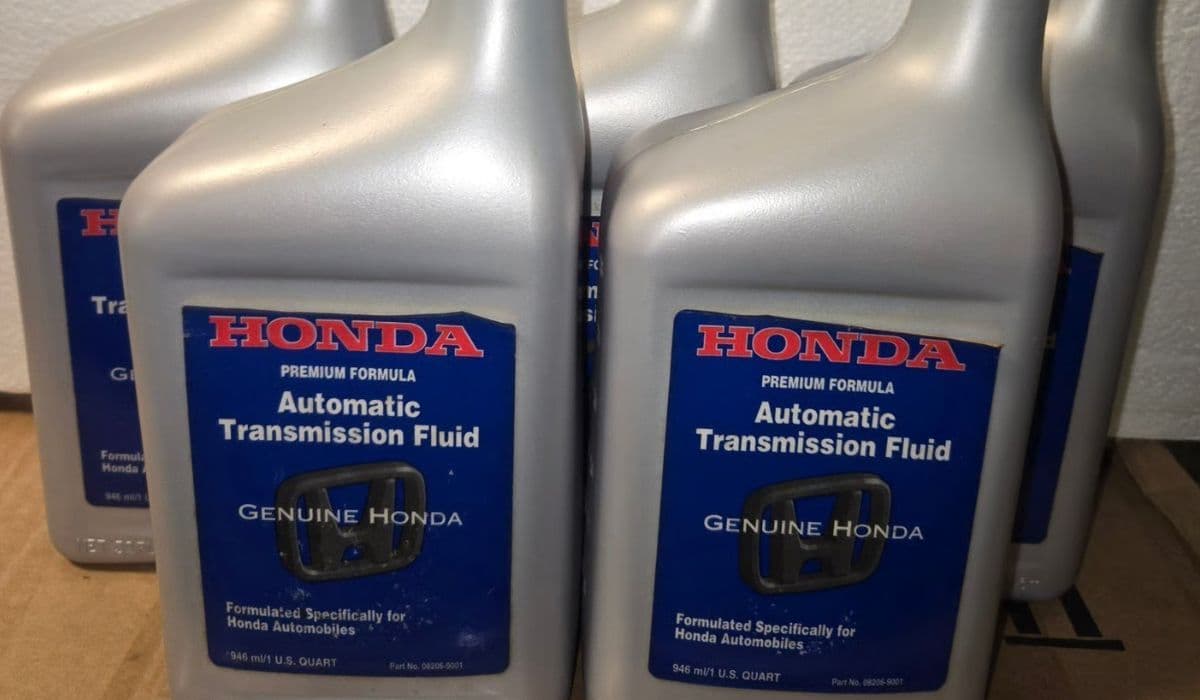
Choosing the right oil is pivotal in averting cold start issues with the VTC actuator. Honda specifies synthetic blends or full synthetics with specific viscosities, like 0W-20 or 5W-20, depending on your model's year. These formulations maintain fluidity in cold weather, allowing quicker pressurization of the actuator upon startup. Thicker oils might delay this process, increasing the likelihood of rattle.
The additives in modern oils also play a role, providing better protection against wear and deposit formation. Opt for oils that meet Honda's standards, as they are engineered to work seamlessly with VTEC systems. Switching to a winter-grade oil in colder climates can make a noticeable difference, reducing startup stress on the actuator.
Consider these factors when selecting oil:
Check for API certifications to ensure compatibility with Honda engines.
Avoid mixing different oil types, as this can alter viscosity and lead to inconsistencies.
Pay attention to oil life monitors in newer CR-V models for timely changes.
Test drive after an oil change to listen for any immediate improvements in startup smoothness.
By prioritizing oil quality, you're essentially fortifying the VTC actuator against the rigors of daily use, ensuring quieter mornings and smoother performance.
Diagnostic Steps for Early Detection
Catching VTC rattle early involves proactive diagnostics that any attentive owner can perform. Start by listening carefully during cold starts; record the sound if possible to compare over time. If the noise persists beyond a few seconds, it might indicate advancing wear. Using an OBD-II scanner can reveal error codes related to camshaft timing, pointing directly to VTC issues.
Visual inspections under the hood are equally important. Look for oil leaks around the actuator area, which could signal seal degradation. A mechanic might perform a pressure test on the oil system to verify if low pressure is the culprit. In advanced cases, removing the valve cover allows for a direct assessment of the actuator's condition.
Implement these diagnostic tips regularly:
Track mileage and note when the rattle first appears for pattern recognition.
Use engine stethoscopes to pinpoint the noise source accurately.
Consult service bulletins from Honda for model-specific known issues.
Compare symptoms with online forums, but verify with a trusted technician.
Early detection transforms a potential headache into a manageable fix, preserving the thrill of driving your CR-V without unwanted sounds.
Advanced Prevention Strategies
For enthusiasts seeking to go beyond basics, advanced strategies can virtually eliminate VTC cold start rattle. Upgrading to aftermarket oil coolers helps maintain consistent oil temperatures, reducing viscosity fluctuations. Installing a block heater in regions with severe winters pre-warms the engine, ensuring immediate oil circulation upon start.
Tuning the engine management system, if done carefully, can optimize timing parameters to lessen actuator strain. Regular use of fuel system cleaners prevents carbon buildup that might indirectly affect VTC operation. For high-mileage CR-Vs, considering a timing chain refresh kit addresses related components holistically.
Explore these advanced approaches:
Integrate remote start systems with preheat functions for cold climates.
Monitor oil pressure gauges for real-time insights into system health.
Participate in Honda owner communities for shared experiences and tips.
Experiment with oil additives designed for VTEC engines, ensuring they don't void warranties.
These methods elevate your maintenance game, turning prevention into a passion that keeps your Honda CR-V performing at its peak.
More from Honda
How to Fix 11th Generation Honda Civic Screen Delamination (2022–2024 Models)
08.12.2025 12:32
How to Disable Honda Walk Away Auto Lock Forever
08.12.2025 12:44
Honda Civic Low Beam Headlight Bulb Replacement Trick That Saves Hours and Broken Clips
08.12.2025 09:38
Honda CR-V Vibration at Idle: Why Engine Mount Replacement Is Often the Real Fix
08.12.2025 09:22
How to Clean the Honda Accord Hybrid Battery Fan Yourself – Full DIY Guide
08.12.2025 08:55