Honda CVT Transmission: Fluid Drain and Fill Every 30,000 Miles Guide

Honda vehicles equipped with Continuously Variable Transmissions (CVT) represent a pinnacle of automotive engineering, blending efficiency with smooth performance. These systems eliminate traditional gear shifts, providing seamless acceleration that feels almost effortless. However, like any sophisticated mechanism, they demand regular upkeep to maintain peak operation. This guide delves into the essential process of draining and filling CVT fluid every 30,000 miles, offering insights that go beyond basic maintenance to help you appreciate the inner workings of your Honda's drivetrain.
Understanding Honda's CVT Transmission
At the heart of many modern Honda models lies the CVT, a transmission type that uses a belt or chain running between two variable pulleys to adjust gear ratios continuously. This design allows the engine to operate at its most efficient RPM, optimizing fuel economy and reducing wear. Unlike conventional automatics with fixed gears, CVTs adapt in real-time to driving conditions, whether you're cruising on highways or navigating city traffic.
What sets Honda's CVT apart is its integration with advanced electronics and hydraulics, ensuring precise control. The transmission fluid plays a dual role here: it lubricates moving parts and acts as a hydraulic medium to adjust pulley positions. Over time, this fluid degrades due to heat, contaminants, and oxidation, which is why Honda recommends a fluid change interval of 30,000 miles for most models. Ignoring this can lead to subtle performance dips that escalate into major issues.
Why Regular Fluid Changes Matter
Maintaining fresh CVT fluid isn't just about following a schedule; it's about preserving the harmony between your engine and wheels. As miles accumulate, the fluid breaks down, losing its viscosity and protective properties. This degradation can cause increased friction, overheating, and inefficient power transfer, potentially shortening the transmission's lifespan.
Regular changes ensure:
Optimal lubrication to prevent metal-on-metal contact.
Efficient heat dissipation, as CVT systems generate significant thermal loads during operation.
Clean internals, free from sludge buildup that could clog valves or filters.
Smoother shifts and better responsiveness, enhancing the driving experience.
By adhering to the 30,000-mile mark, you're not only safeguarding reliability but also potentially improving fuel efficiency, as a well-maintained CVT allows the engine to stay in its sweet spot more often.
Signs Your CVT Fluid Needs Attention
Even before hitting that mileage milestone, your Honda might whisper hints that the fluid is due for renewal. Paying attention to these cues can prevent minor annoyances from becoming costly repairs. Common indicators include a slight hesitation during acceleration, where the vehicle feels sluggish as if searching for the right ratio. You might also notice unusual noises, like a whining or buzzing from the transmission area, especially under load.
Other telltale signs encompass:
Jerky movements or slipping sensations, as if the belt isn't gripping properly.
Dashboard warnings, such as the check engine light illuminating with CVT-related codes.
Overheating alerts, since degraded fluid struggles to manage temperatures.
A burnt smell from under the hood, signaling fluid breakdown.
If these symptoms arise earlier than expected, factors like frequent towing, stop-and-go driving, or extreme climates could be accelerating wear, prompting an earlier intervention.
Tools and Materials Needed
Preparing for a CVT fluid drain and fill requires gathering the right arsenal to make the job efficient and mess-free. Start with safety gear: gloves to protect your hands from hot fluids and eye protection against splashes. A jack and stands are crucial for secure vehicle elevation, ensuring stability while working underneath.
Essential tools include:
A ratchet set with sockets sized for the drain plug, typically 17mm or 19mm depending on the model.
A torque wrench for precise tightening to manufacturer specs.
Funnel for clean filling through the dipstick tube.
Drain pan to catch old fluid, ideally with measurement markings.
Rags or shop towels for cleanup.
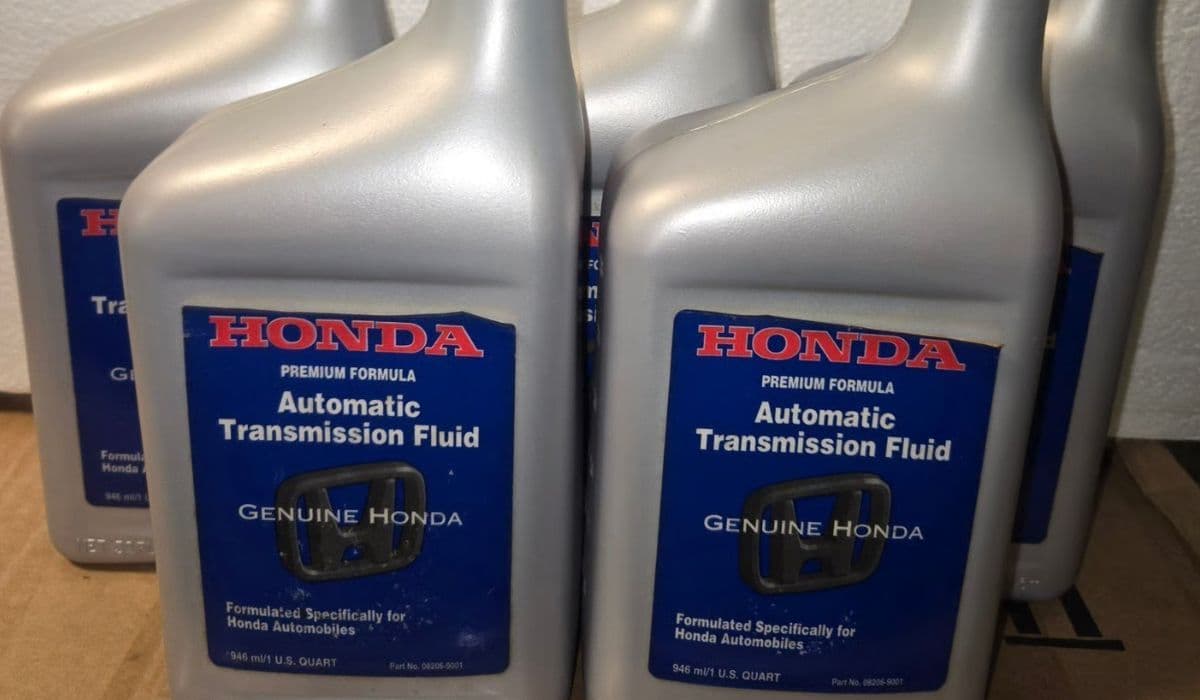
For materials, use only Honda-specific CVT fluid, as generic alternatives might not match the required friction modifiers. You'll need about 3-4 quarts, but check your model's exact capacity. A new crush washer for the drain plug is advisable to prevent leaks.
Step-by-Step Drain and Fill Procedure
Begin by parking on a level surface and allowing the engine to cool slightly, but not completely cold—warm fluid drains better. Engage the parking brake and chock the wheels for safety. Locate the transmission drain plug underneath the vehicle; it's usually on the bottom of the CVT case.
Proceed as follows:
Remove the dipstick to vent the system and prevent vacuum issues.
Position the drain pan and loosen the plug, letting fluid flow out steadily.
Once drained, replace the crush washer and reinstall the plug, torquing it properly.
Using the funnel, add new fluid through the dipstick tube in small increments.
Start the engine, shift through gears to circulate the fluid, then check and top off levels.
After filling, take a short drive to warm everything up, then recheck the fluid level with the engine running in park. This ensures accuracy, as CVT fluid expands with heat.
Common Mistakes to Avoid
Enthusiasts often stumble on seemingly minor details that can compromise the process. One frequent error is overfilling, which leads to foaming and erratic pressure. Always measure additions carefully and verify on a hot system. Another pitfall is using the wrong fluid type; Honda's formulation is tailored to their belt material, and substitutes can cause slippage or premature wear.
Avoid these blunders:
Skipping the gear cycling step, which leaves air pockets and uneven distribution.
Tightening the plug excessively, risking stripped threads.
Neglecting to inspect for leaks post-procedure.
Performing the task on an incline, which skews level readings.
Patience is key—rushing might introduce contaminants if tools aren't clean.
Tips for Longevity
To extend your CVT's service beyond routine changes, adopt habits that minimize stress. Gentle acceleration avoids sudden torque spikes that strain the belt. Regular engine maintenance, like timely oil changes, indirectly benefits the transmission by keeping overall temperatures in check.
Incorporate these practices:
Monitor fluid condition during oil changes for early detection.
Avoid overloading the vehicle, as excess weight amplifies heat buildup.
Use eco-driving modes if available to reduce aggressive shifts.
Schedule professional inspections if you notice anomalies.
By treating your Honda's CVT with respect, you'll enjoy that signature smooth ride for years, turning every journey into a testament to thoughtful engineering.
More from Honda
How to Fix 11th Generation Honda Civic Screen Delamination (2022–2024 Models)
08.12.2025 12:32
How to Disable Honda Walk Away Auto Lock Forever
08.12.2025 12:44
Honda Civic Low Beam Headlight Bulb Replacement Trick That Saves Hours and Broken Clips
08.12.2025 09:38
Honda CR-V Vibration at Idle: Why Engine Mount Replacement Is Often the Real Fix
08.12.2025 09:22
How to Clean the Honda Accord Hybrid Battery Fan Yourself – Full DIY Guide
08.12.2025 08:55